


New research published in The Lancet reports that cervical cancer deaths among women vaccinated as early teenagers are now effectively “close to zero” in England, with no deaths reported in this age group for years. The findings follow the introduction and rollout of the HPV (human papillomavirus) vaccine for school-age girls and boys, beginning with children aged 12–13 in England. The study estimates that the programme has prevented about 200 cervical cancer deaths in England to date, as vaccinated cohorts move into the years when cervical cancer typically develops. The outlets also note that the HPV vaccine is designed to prevent infection with high-risk HPV types and is highly effective at reducing future disease, but it does not protect against all high-risk strains. Screening therefore remains important even for vaccinated people. Several reports add a caution that if vaccination uptake falls, future cervical cancer cases and deaths could rise again as younger cohorts are less protected. Collectively, the coverage frames the results as evidence that HPV vaccination is preventing deaths, while highlighting the need to maintain high uptake.
HPV vaccine-linked cervical cancer deaths hit zero in England’s vaccinated young women
New research published in The Lancet reports that cervical cancer deaths among women vaccinated as early teenagers are now effectively “close to zero” in England, with no deaths reported in this age g...
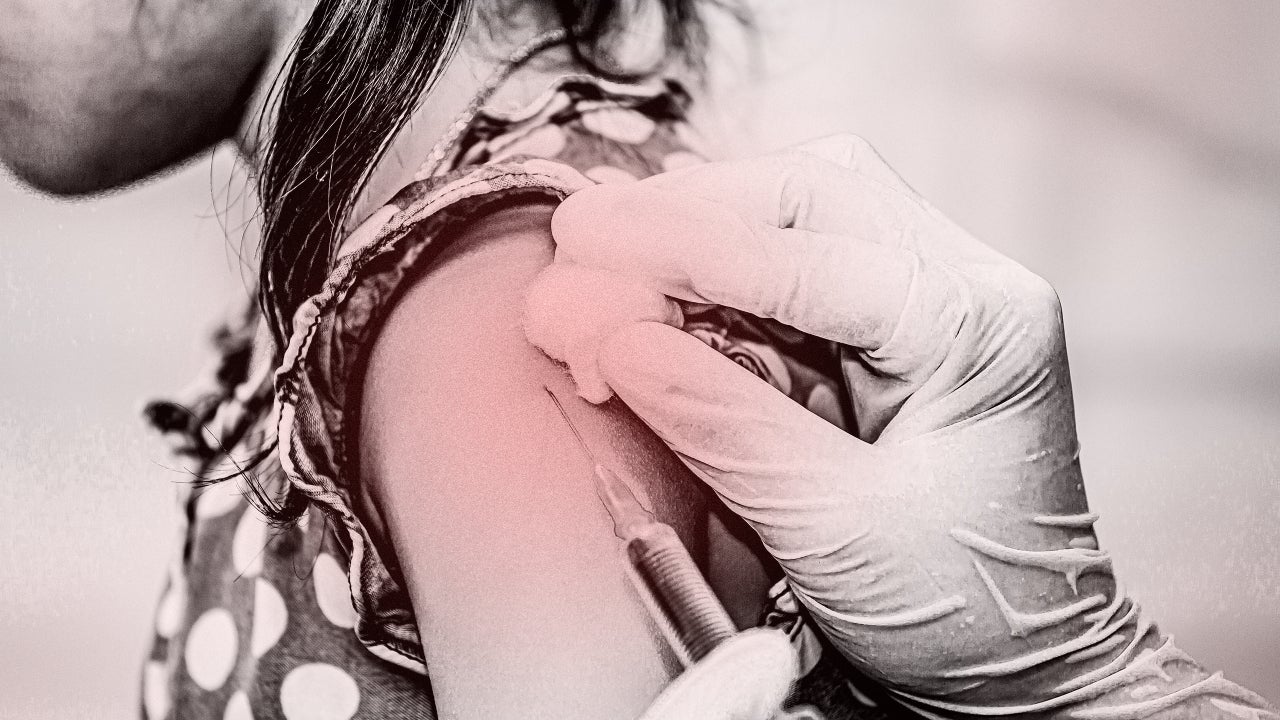
- A Lancet study finds cervical cancer deaths are effectively “close to zero” among young women in England who received the HPV vaccine in early adolescence.
- The results follow England’s HPV vaccination rollout for school-age children, starting with girls aged around 12–13.
- The study estimates HPV vaccination has prevented about 200 cervical cancer deaths in England to date.
- Experts and reports say vaccinated people still need routine cervical screening because the vaccine does not cover every high-risk HPV type.
- Several outlets warn that falling HPV vaccination uptake could lead to more avoidable cervical cancer deaths in the future.
One of the only vaccines that prevents cancer is even more effective than scientists knew. For young women who receive the HPV vaccine in their early teen years, the risk of dying from cervical cancer before turning 30 is effectively reduced to zero, according to new research published in The Lancet. While the HPV vaccine was known to prevent around 90% of cervical cancer cases, the new study is the first to explore its impact on mortality rates – and the results reveal just how strong the vaccine’s protection really is. The study, funded by Cancer Research UK, offers powerful evidence that HPV vaccination programs are saving lives. In England, roughly 200 cervical cancer deaths have been prevented to date, but those numbers are much larger on a global scale. HPV, short for human papillomavirus, is a common sexually-transmitted infection that is spread through skin to skin contact. While the immune system usually flushes out HPV infection, it can cause abnormal cell growth in some infected people, which can cause multiple forms of cancer years later. In its aim to eliminate cervical cancer worldwide, the World Health Organization is pushing all of its member countries to vaccinate 90% of girls by age 15. If its goals are met, 62 million deaths from cervical cancer could be prevented by the year 2120. In the paper, the researchers point to their findings as evidence that the WHO’s goals are within reach, urging even more focus on boosting vaccine uptake in young people around the world. Globally, cervical cancer is the fourth most common cancer diagnosed in women, causing an estimated 660,000 new cases per year. In 2022, 94% of the 350,000 deaths from cervical cancer were in low and middle income countries, particularly in Central America, Southeast Asia and sub-Saharan Africa. “As vaccinated generations grow older, we’ll see many more lives saved from cervical cancer,” the publication’s lead researcher Professor Peter Sasieni said. “It is incredible to think that a single jab can almost eliminate a particular type of cancer, and this new research shows just how vital it is to keep HPV vaccination levels high so more people are protected.” Not just women The HPV vaccine offers powerful protection, but people who have received it are still encouraged to opt into cervical cancer screenings because the vaccine doesn’t protect against every high-risk strain of HPV. Together, the vaccine and routine screenings offer the most robust prevention. The HPV infection isn’t only associated with cervical cancer and women aren’t the only ones who should get vaccinated. The vaccine can also lower the risk for cancers of the mouth and throat, vaginal cancer, vulvar cancer, anal cancer, and penile cancer. The vaccine works best when administered between age 9 and 12, but older teens and people in their 20s are also encouraged to get vaccinated – including men. In spite of the risks and the overwhelmingly positive evidence, HPV vaccination rates have slumped in some parts of the world since the pandemic. In the U.S., the HPV vaccine’s adoption rates for young people between ages 13 and 17 peaked in 2021, with rates ticking down afterward – a worrying trend in an era with vaccine hesitancy now woven into public health policy.
3 months agoHPV jab successes boost cancer charity's campaign BBCYoung women now have 'close to zero' risk of cervical cancer death after HPV jab BBCCervical cancer deaths have plummeted thanks to HPV vaccine New ScientistChildren vaccinated for HPV have close to zero risk of dying from cervical cancer before age 30, study suggests Sky NewsCould the HPV vaccine eliminate cervical cancer deaths? Al Jazeera
3 months agoThe findings follows the introduction of the vaccine for British children aged 12-13
3 months agoCould the HPV vaccine eliminate cervical cancer deaths? Al JazeeraPlea to parents over HPV jabs as uptake falls BBCHPV jabs cut risk of dying from cervical cancer before 30 to almost zero The GuardianChildren vaccinated for HPV have close to zero risk of dying from cervical cancer before age 30, study suggests Sky NewsNew data shows the HPV vaccine is saving lives from cervical cancer Cancer Research UK - Cancer News
3 months agoA groundbreaking study reveals the HPV vaccine dramatically slashes cervical cancer deaths in young women. Girls vaccinated in early teens now face near-zero risk of dying from the disease before 30. This public health triumph, preventing hundreds of deaths, highlights the vaccine's power to stop cancers before they start, though declining uptake poses a concern.
3 months agoFor the first time, a generation of young women in England is reaching adulthood with an almost non-existent risk of dying from cervical cancer — a change researchers are directly linking to HPV vaccination at ages 12 to 13. A UK study published in The Lancet reports that between 2020 and 2024, there were no […]
3 months agoCervical cancer deaths in young women fall to zero after HPV vaccination
3 months agoHPV vaccine: Key questions answered as cervical cancer deaths fall to zero in women under 24 - follow live BBCChildren vaccinated for HPV have close to zero risk of dying from cervical cancer before age 30, study suggests Sky NewsHPV jab means ‘close to zero’ chance of cervical cancer death before 30 The TimesHPV vaccine means that no young women have died of cervical cancer in England for years New ScientistHPV jabs cut risk of dying from cervical cancer before 30 to almost zero The Guardian
3 months agoChildren vaccinated for HPV have close to zero risk of dying from cervical cancer before age 30, study suggests Sky NewsHPV vaccine: Your questions answered as cervical cancer deaths fall to zero in women under 24 BBCHPV jabs cut risk of dying from cervical cancer before 30 to almost zero The GuardianCervical cancer deaths have plummeted thanks to HPV vaccine New ScientistCervical cancer deaths fall to zero in vaccinated young women The Telegraph
3 months agoA new study finds that hundreds of lives have been saved since school-age girls were offered the HPV jab in 2008.
3 months agoThe HPV jab has already saved about 200 lives in England
3 months agoCervical cancer deaths fall to zero in young women given vaccine BBCHPV jabs cut risk of dying from cervical cancer before 30 to almost zero The GuardianHPV jab means ‘close to zero’ chance of cervical cancer death before 30 The TimesNo young women have died of cervical cancer in England for years New ScientistAround 200 lives saved in England from cervical cancer due to HPV jab | ITV News ITVX
3 months agoStudy reveals positive news, but experts say deaths and cases may rise again as fewer teenagers get vaccinatedWomen who received an HPV vaccine in early adolescence have virtually zero risk of dying from cervical cancer before the age of 30, according to a groundbreaking study, but falling vaccination rates could see a rise in avoidable deaths.Cervical cancer is the fourth most common cancer in women, according to the World Health Organization, and high-risk human papillomaviruses (HPV) cause 99% of cases. About 3,300 women in England are diagnosed with the disease every year. Continue reading...
3 months agoHPV jabs cut risk of dying from cervical cancer before 30 to almost zero The GuardianCervical cancer deaths fall to zero in young women given vaccine BBCNo young women have died of cervical cancer in England for years New ScientistAround 200 lives saved in England from cervical cancer due to HPV jab | ITV News ITVXCancer jab saves hundreds of lives - but one in four eligible kids not protected The Irish Sun
3 months ago/file/attachments/2998/14342654_453692.jpg)
Kenya confirms first imported Ebola case and first death after return from DR Congo
Kenya confirms its first-ever Ebola case and first death from the virus after a Kenyan citizen who had been living in th...

Fans boo Dylan Larkin as he returns to Red Wings amid trade request and injury
Dylan Larkin plays for the Detroit Red Wings in his first game since requesting a trade, drawing boos from sections of t...
U.S. man charged over alleged assistance to Canadian school shooter
A 30-year-old resident of Washington state is charged in the United States with providing assistance to a teenager accus...