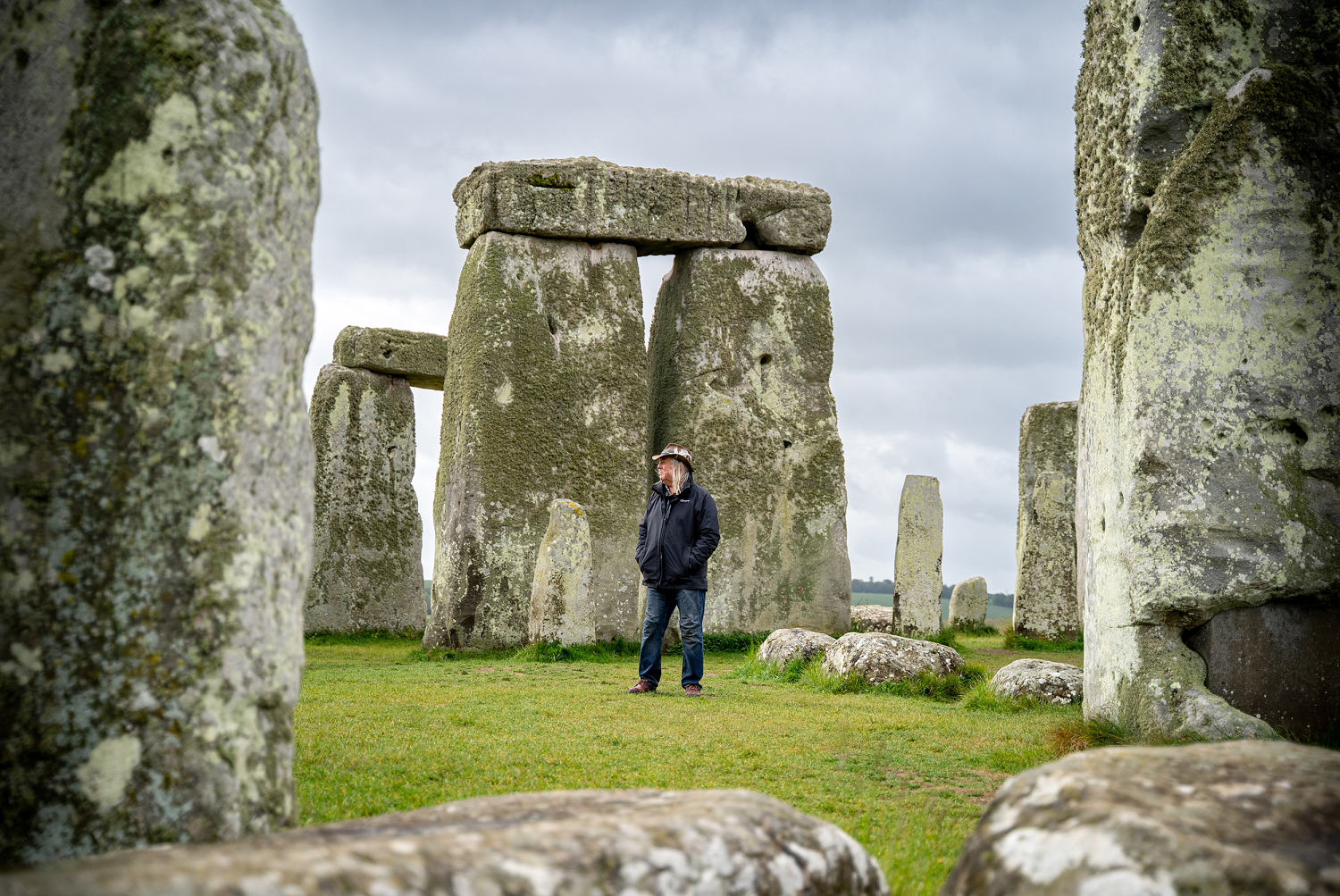
Archaeologists report the discovery of an earlier structure near the prehistoric stone circle of Stonehenge in southern England. Multiple outlets, including AP-based reporting, say the find may have functioned as a “prototype” for the better-known Neolithic monument that dates to about 5,000 years ago. The site is described as being roughly three miles from Stonehenge itself.
According to the reports, the newly uncovered remains are older than the main Stonehenge monument by around 500 years, pointing to an earlier phase of construction and site use. Coverage emphasizes that the structure appears simpler than Stonehenge and may have been aligned with the solstice, though the exact interpretation is presented cautiously as part of ongoing analysis.
Several headlines frame the discovery as a significant opportunity to understand how Stonehenge developed over time, while the common thread across sources is that archaeologists are still assessing the structure’s role and whether it directly preceded or influenced the later monument.