
Multiple outlets characterize the end of the war as the start of a longer recovery period for global energy markets rather than an immediate return to normal conditions. While the fighting stops, the aftermath continues to affect supply, shipping, infrastructure, and pricing across interconnected markets. Sources emphasize that disruptions accumulated during the conflict can take substantial time to unwind, including restoration of production and distribution, rebalancing of regional flows, and rebuilding of inventories and contracting patterns. The reporting suggests that uncertainty persists as markets adjust to new operating realities and as policymakers and industry participants manage risks related to logistics, safety, and potential instability. Overall, the coverage focuses less on the moment of the ceasefire itself and more on the downstream timeline required for stabilization—covering how long it may take for prices, availability, and global trade patterns to settle. The narrative across sources is that normalization is possible, but the transition period is expected to be prolonged.
Energy Markets Face Long Recovery After War’s End
Multiple outlets characterize the end of the war as the start of a longer recovery period for global energy markets rather than an immediate return to normal conditions. While the fighting stops, the...

- The war’s end is presented as beginning a prolonged recovery phase for global energy markets.
- Sources indicate normalization of energy markets does not occur immediately after fighting stops.
- The aftermath affects supply and distribution, contributing to continued market disruption.
- Uncertainty and adjustment across regional energy flows persist following the conflict.
- The expected timeline for stabilization is described as longer than near-term observers may assume.
How long will it take for global energy markets to return to normal? A long time, it turns out.
5 hours agoHow long will it take for global energy markets to return to normal? A long time, it turns out.
15 hours ago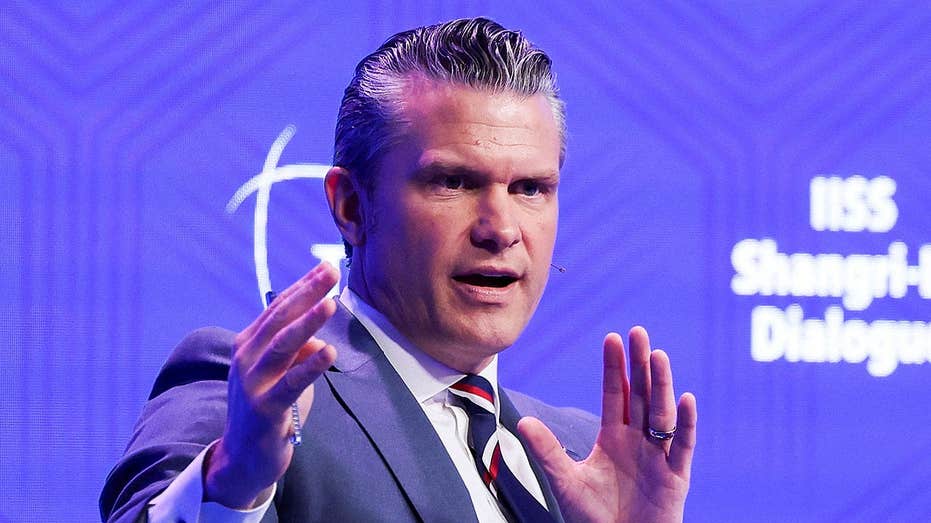
Hegseth announces six-month review of US forces in Europe after criticizing NATO over Iran war support
U.S. Defense Secretary Pete Hegseth announces a six-month review of the Pentagon’s forces and posture in Europe during a...

Andy Burnham confirms bid to challenge Keir Starmer as he campaigns in Makerfield by-election
Greater Manchester mayor Andy Burnham confirms he intends to challenge Keir Starmer for the Labour leadership and, if su...

Motherwell appoint Alfred Johansson as new manager
Motherwell appoint Alfred Johansson as their new manager at Fir Park, replacing Jens Berthel Askou. The 35-year-old Swed...