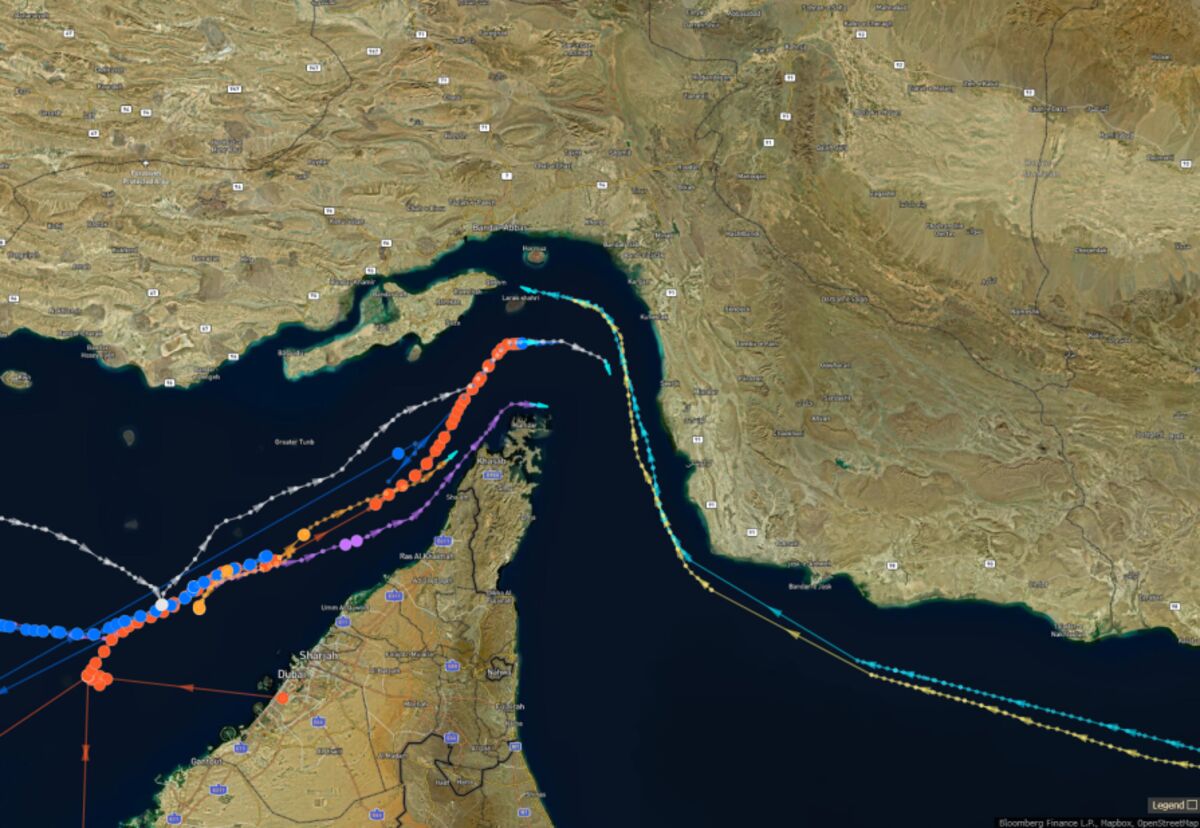
Ship-tracking data shows three Saudi-flagged supertankers transporting about six million barrels of crude oil each sail through the Strait of Hormuz shortly after the United States and Iran sign a deal aimed at ending their conflict. Multiple outlets report that the transits occur within hours of the signing, indicating a quick response by oil shipping operators. Reuters analysis, cited by outlets, characterizes the Saudi departures as the largest departures through the chokepoint in weeks, using observed shipping movements to gauge volume and timing.
Coverage also points to a broader shift in shipping behavior around the strait. Bloomberg reports more vessels cross or signal intentions openly, suggesting growing confidence among shipowners and traders as tensions ease. Some reports note that earlier movements were less transparent, with more ships concealing voyage details when transiting the waterway. Bloomberg’s reporting includes Saudi state-linked tanker participation in the early crossings, underscoring the role of Saudi crude exports through the strategic passage.
Overall, the reports converge on the timing, nationality, cargo quantity, and the use of public tracking data to document the renewed flow through Hormuz.