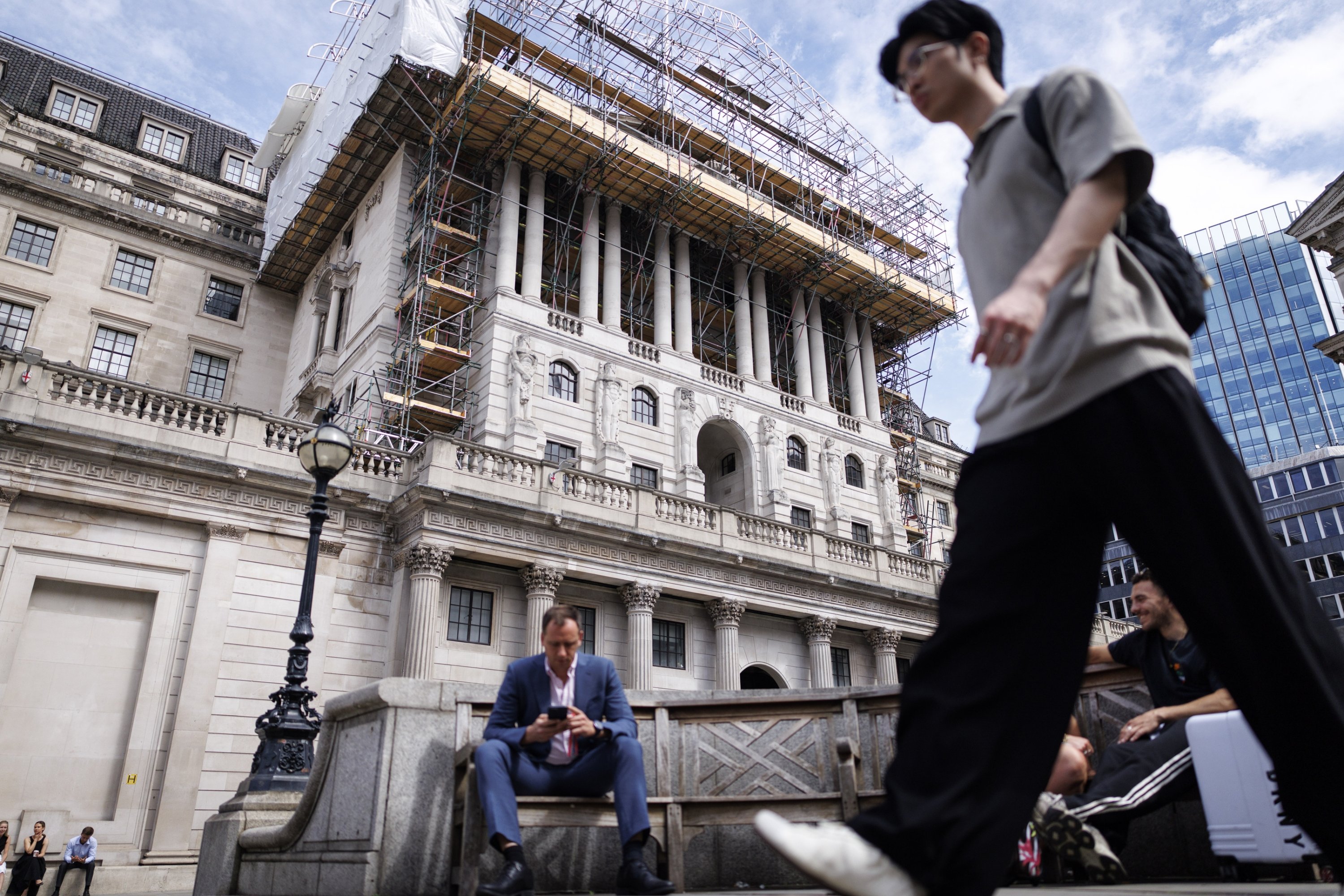
The Bank of England keeps its main interest rate at 3.75% as policymakers weigh changing inflation pressures tied to the Iran conflict and broader economic data. Several outlets report that the decision comes despite earlier expectations that rates might start falling this year, with the Bank citing uncertainty over possible inflation increases connected to the conflict and its effect on prices. The Evening Standard and other sources say the Bank warns that inflation and cost of living pressures are still expected to rise during the year.
At the same time, The Independent and the Financial Times note that some inflation risks have eased. They reference weaker-than-expected inflation readings and, in some accounts, falling energy prices, which reduce the likelihood that inflation will reach the higher level projected in April. Reports also cite a less urgent inflation environment following developments described as involving progress toward peace between the U.S. and Iran, although the Bank’s stance remains cautious.
Overall, the sources agree the Bank is maintaining the current rate while balancing conflicting signals: downside relief from energy and inflation data against uncertainty from geopolitical-related price pressures.