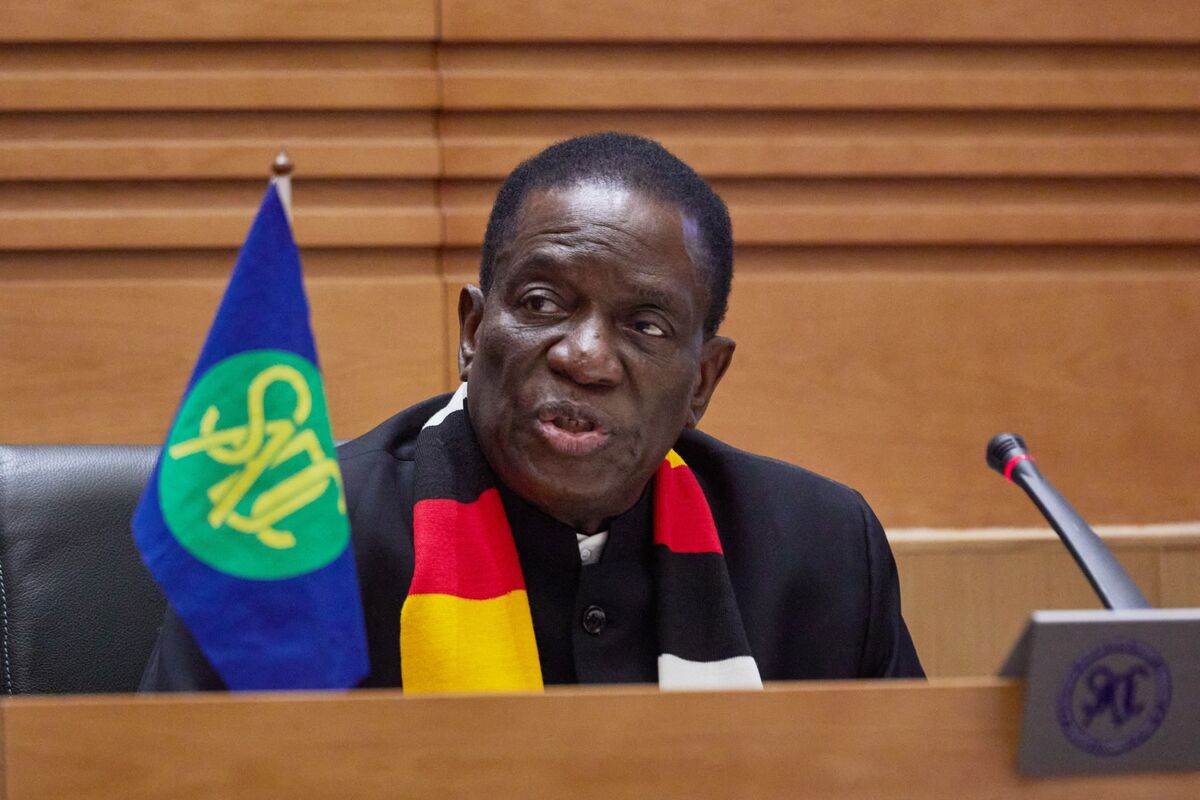
Zimbabwe’s lower house of parliament passes legislation that would extend President Emmerson Mnangagwa’s time in office and change how presidents are chosen. Multiple outlets report that lawmakers back a constitutional amendment that would lengthen presidential terms from five to seven years, which would allow Mnangagwa to remain in power beyond 2028 and potentially until 2030. The bill also proposes replacing direct presidential elections by popular vote with selection by lawmakers.
Reporting across sources says the National Assembly votes in favour of the draft with a two-thirds majority threshold met, and the measure is expected to proceed to the Senate for approval. Mnangagwa, 83, has led the country since 2017 after the removal of Robert Mugabe, and he won disputed presidential elections in 2018 and 2023.
Critics argue the changes are designed to entrench Mnangagwa’s rule and make it harder for opposition parties to win power, while supporters say the proposal will strengthen accountability and promote political stability. Some activists attempt legal challenges, though reporting also indicates they face setbacks in the courts.