


The US Supreme Court rules unanimously that a federal law barring “unlawful users” of controlled substances from possessing firearms cannot be applied as broadly as the government argues, when the evidence shows only regular marijuana use. The case is brought by a Texas man, identified in reporting as Ali Hemani, who faced a felony charge after FBI agents found a handgun at his home during a raid. He also admitted he smoked marijuana about every other day and said he kept the gun for self-defense. In a decision authored by Justice Neil Gorsuch, the court holds that applying the prohibition in this way violates the Second Amendment because the government’s approach sweeps in people based solely on drug use, without showing the individual was addicted, intoxicated with the firearm, threatening others, or otherwise dangerous. The justices reject the government’s reliance on older historical laws that restricted firearm possession by “habitual” offenders, saying those laws targeted different conduct and operated differently. The opinion also notes that prosecutors did not allege facts indicating dangerousness, and it questions generalized claims that marijuana users are categorically dangerous. Two justices, Samuel Alito and Elena Kagan, concur in the judgment only.
US Supreme Court narrows federal ban on gun ownership for marijuana users
The US Supreme Court rules unanimously that a federal law barring “unlawful users” of controlled substances from possessing firearms cannot be applied as broadly as the government argues, when the evi...
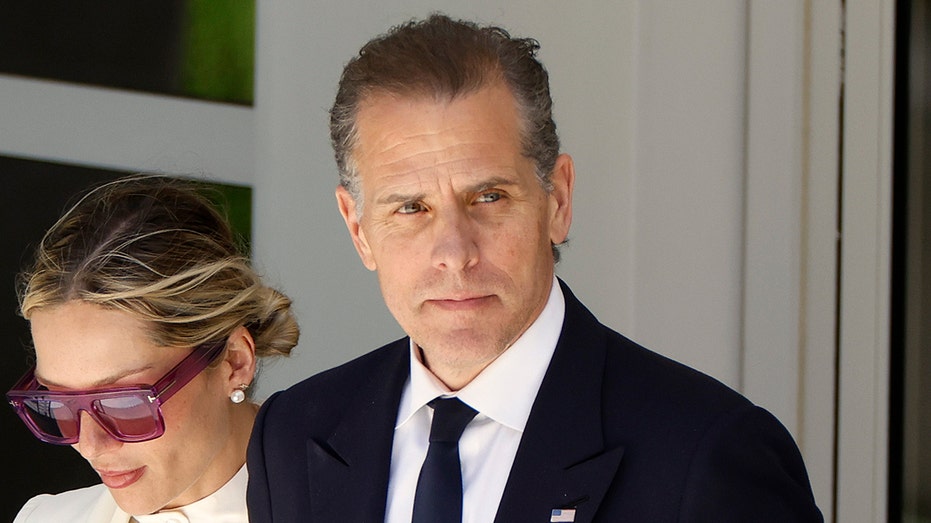
- The Supreme Court rules unanimously against a broad federal application of the firearms ban to unlawful drug users in the case before it.
- The plaintiff is a Texas man charged after a home raid; agents found a handgun and he admitted using marijuana about every other day.
- The court says the government did not allege that he was addicted to marijuana, used the firearm while intoxicated, threatened anyone, or posed a danger to himself or others.
- The justices conclude the government’s historical analogy to older disarmament laws is not an adequate basis for the modern, broad restriction.
- The decision is written by Justice Neil Gorsuch; Alito and Kagan concur only in the judgment.
The Supreme Court said an admitted casual drug user has the right to possess a firearm - a twist for other high-profile cases
2 months agoJustices side with a casual marijuana user challenging his ban under legislation used to prosecute Hunter Biden
2 months agoThe Supreme Court unanimously struck down a law banning "habitual" marijuana users from owning firearms on Thursday.The court ruled the law, which was used to prosecute Hunter Biden, was overly broad and improperly deprived individuals of their right to possess a firearm in their homes.The case involved a Texas man charged with a felony when FBI agents raiding his home found a handgun he kept for self-defense, and he also admitted to smoking marijuana every other day.In an opinion written by Justice Neil Gorsuch, the court held that the government's prosecution of Ali Hemani under a federal law prohibiting firearm possession by unlawful users of controlled substances violated the Second Amendment. Two justices, Samuel Alito and Elena Kagan, concurred only in the judgment.The federal government argued that people who regularly use illegal drugs could be disarmed based on historical laws that restricted the rights of so-called "habitual drunkards," but the court said the old laws the government relied on were too different from the modern gun restriction to justify it."The government's analogy fails under every measure it asks us to consider," Gorsuch wrote. "The historical laws on which it relies targeted different kinds of people, did so for different reasons, and operated in different ways."The court said the old laws focused on people whose substance abuse left them unable to manage their lives, while the federal law broadly covered regular drug users regardless of whether they posed a threat to anyone.Gorsuch noted that prosecutors never alleged Hemani was addicted to marijuana, had used a firearm while intoxicated, threatened anyone, or posed a danger to himself or others. Instead, the government relied solely on his admission that he used marijuana "about every other day."The opinion also questioned the government's argument that marijuana users are categorically dangerous, pointing to the federal government's own actions in reducing marijuana enforcement and efforts to move marijuana to a less restrictive drug schedule. The court noted that most states now permit some form of marijuana use."The federal government has not just tolerated them; it helped fuel them," Gorsuch wrote of the growth in marijuana use and legalization across the country.
2 months agoThe Supreme Court ruled unanimously that a federal gun law cannot be broadly applied to all illegal drug users, siding with a Texas man who admitted to regularly using marijuana while keeping a firearm for self-defense.
2 months ago
British man killed in Washington state shooting; police launch manhunt
A 26-year-old man from Manchester, identified as Jamie Thomas Stephen Lomas, is killed in Washington state after a shoot...

14-year-old denies planned attacks on two mosques in Sutton, London
A 14-year-old boy appearing in court denies plotting a terror attack targeting two mosques in Sutton, south London. The...

Coleen Nolan, 61, confirms relationship with Ryan Brockbank, 41, and discusses marriage plans
Coleen Nolan, 61, publicly confirms she is dating Ryan Brockbank, a man in his 40s, and speaks about her hopes for marri...