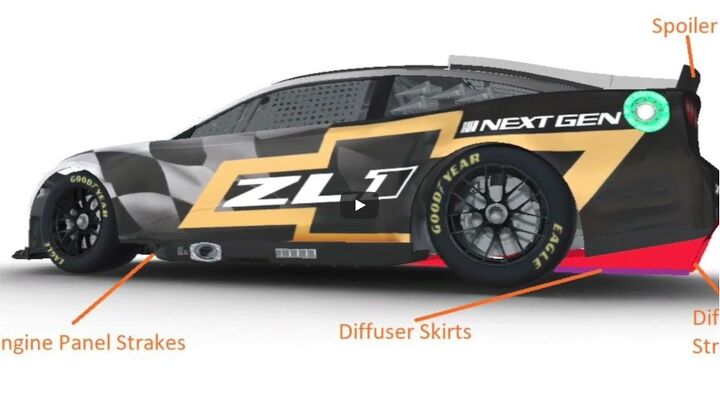
Multiple outlets report that the NASCAR Next Gen stock car has difficulty passing on short tracks and road courses. The coverage attributes the problem to the car’s aerodynamic behavior and how it reacts in traffic. In particular, sources point to yaw angle effects and downforce levels as key factors that make it harder for drivers to maintain speed and control when running near other cars. When a car is close to another, changes in airflow can reduce stability and effectiveness of grip, which in turn limits the opportunities for overtaking.
The articles also describe NASCAR’s latest response, noting that the organization is pursuing a solution aimed at improving on-track passing. While details vary in emphasis, the reporting agrees that the approach targets the aerodynamic and handling characteristics that affect cars in pack conditions, rather than focusing only on driver-related factors.
Overall, the sources present the passing challenge as a combination of aerodynamic sensitivity and the resulting limitations on lapped and door-to-door battles, and they frame NASCAR’s changes as an attempt to make short-track and road-course racing more competitive.