


Multiple outlets report on research suggesting that subtle curves in interior spaces can create a more relaxing feeling. The articles describe a recurring idea from design and architectural commentary: gently curved features—rather than sharp corners—can influence how people perceive comfort in everyday environments. While the coverage highlights enthusiasm for “curvier” interior elements, it also notes a caution shared by architects who favour curves. They argue that curvature works best when it is restrained, implying that design should balance curved forms with other layout and aesthetic considerations. Across the reports, the central theme is that curvature is not presented as a blanket solution for all spaces. Instead, the sources emphasize a nuanced approach where soft, interior curves may be used to improve the atmosphere, but excessive use could undermine the intended effect. The articles therefore frame curves as a design tool with potential psychological benefits, tempered by practical judgment from award-winning architects and the limits of applying the style everywhere.
Research and architects discuss why subtle home curves may feel more relaxing
Multiple outlets report on research suggesting that subtle curves in interior spaces can create a more relaxing feeling. The articles describe a recurring idea from design and architectural commentary...
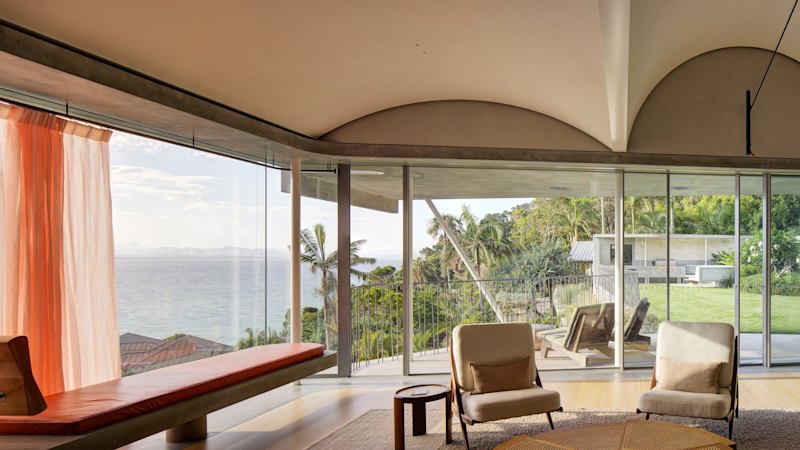
- Research cited in multiple reports links subtle interior curves with a feeling of relaxation.
- The discussion focuses on curved elements inside homes, not exterior form alone.
- Even architects who support curves say they should be used with restraint.
- The coverage presents curvature as a design influence that should be balanced rather than overused.
- All outlets describe the topic as an intersection of research findings and architectural practice.
Subtle curves in a building’s interior can evoke a feeling of relaxation, research suggests. But even some curve-aficionados think they should be used with restraint.
2 months agoSubtle curves in a building’s interior can evoke a feeling of relaxation, research suggests. But even some curve-aficionados think they should be used with restraint.
2 months agoSubtle curves in a building’s interior can evoke a feeling of relaxation, research suggests. But even some curve-aficionados think they should be used with restraint.
2 months ago
Tooro King Oyo Nyimba Kabamba Iguru Rukidi IV dies at 34
The King of Uganda’s Tooro Kingdom, Oyo Nyimba Kabamba Iguru Rukidi IV, dies at age 34, as the kingdom mourns his passin...

Jury resumes deliberations in Lindsay Clancy trial over killing of her three children
A jury in Plymouth, Massachusetts, is set to resume deliberations in the murder trial of Lindsay Clancy to determine whe...

Tim Curry, Frank-N-Furter of The Rocky Horror Picture Show, dies at 80
Actor Tim Curry, best known for playing Dr. Frank-N-Furter in “The Rocky Horror Picture Show,” dies at age 80, multiple...