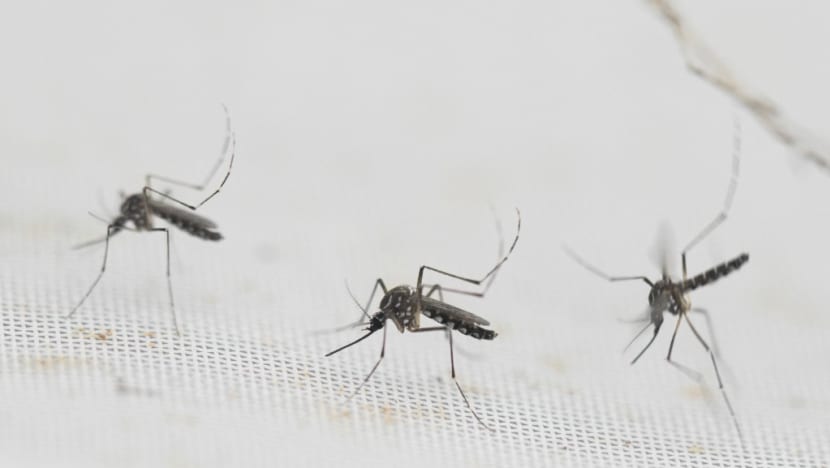
Sri Lanka is experiencing a major dengue fever outbreak, with health authorities reporting tens of thousands of cases and dozens of deaths. According to available figures, the country has recorded roughly 44,000 cases by mid-year, and the toll stands at about 28 to 29 dengue-related deaths, with counts continuing to rise. Outbreak-linked pressures are straining the public health system, and officials say several hospitals operate beyond capacity. One outlet reports more than 1,000 daily admissions, reflecting growing patient loads.
Authorities attribute the worsening to conditions that increase mosquito breeding and disease transmission during the monsoon season, alongside factors linked to urban conditions. One report also points to damage from Cyclone Ditwah, which struck in late November, as a contributor to the outbreak’s severity. Health officials warn that the number of infections is not yet peaking and could continue rising for at least two more weeks before gradually easing.
To strengthen monitoring and response, the government has appointed a military-led monitoring unit, as stated by Sri Lanka’s Health Ministry. Officials also caution that the outbreak could approach the scale of the 2019 epidemic, when the country recorded more than 105,000 infections.