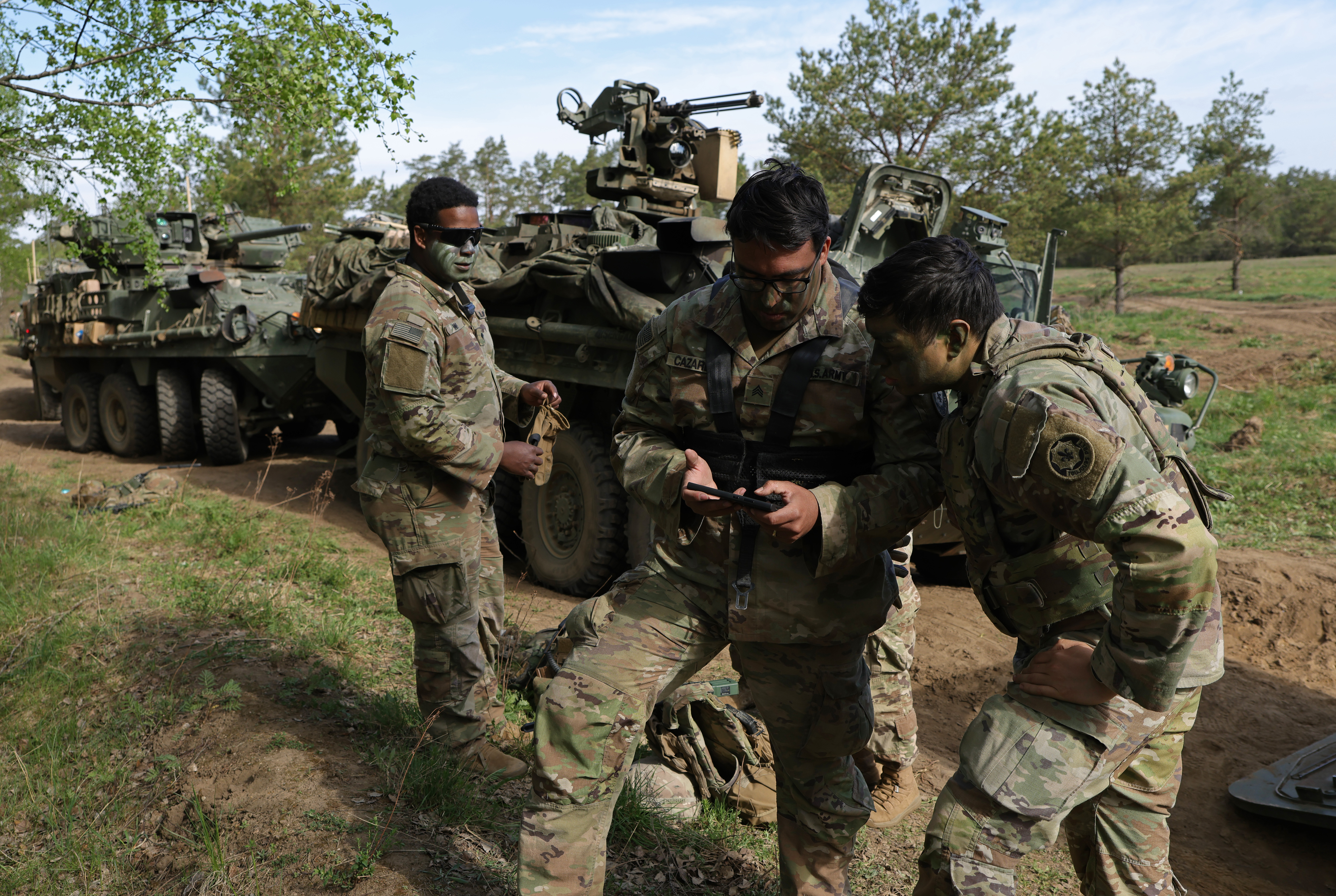
Multiple outlets argue that the United States still has an opportunity to link reductions of U.S. forces in Europe with broader negotiations involving Russia. The articles share the central claim that if Washington seeks to lower troop levels on the continent, it can frame those changes as a bargaining “chip” in diplomacy rather than a unilateral step. They do not detail a specific new policy proposal or timeline, but they emphasize that current circumstances have not closed off the possibility of using troop posture decisions as part of a negotiation strategy.
Overall, the reporting focuses on how troop reductions could be tied to dialogue and potential reciprocal actions, implying that the key issue is not only whether forces are reduced, but how that decision is communicated and coordinated with international talks. While the sources are presented as commentary on strategy, they converge on the same theme: Washington retains options to manage any planned changes in Europe’s force structure in a way that could serve diplomatic objectives, particularly in relation to Russia.