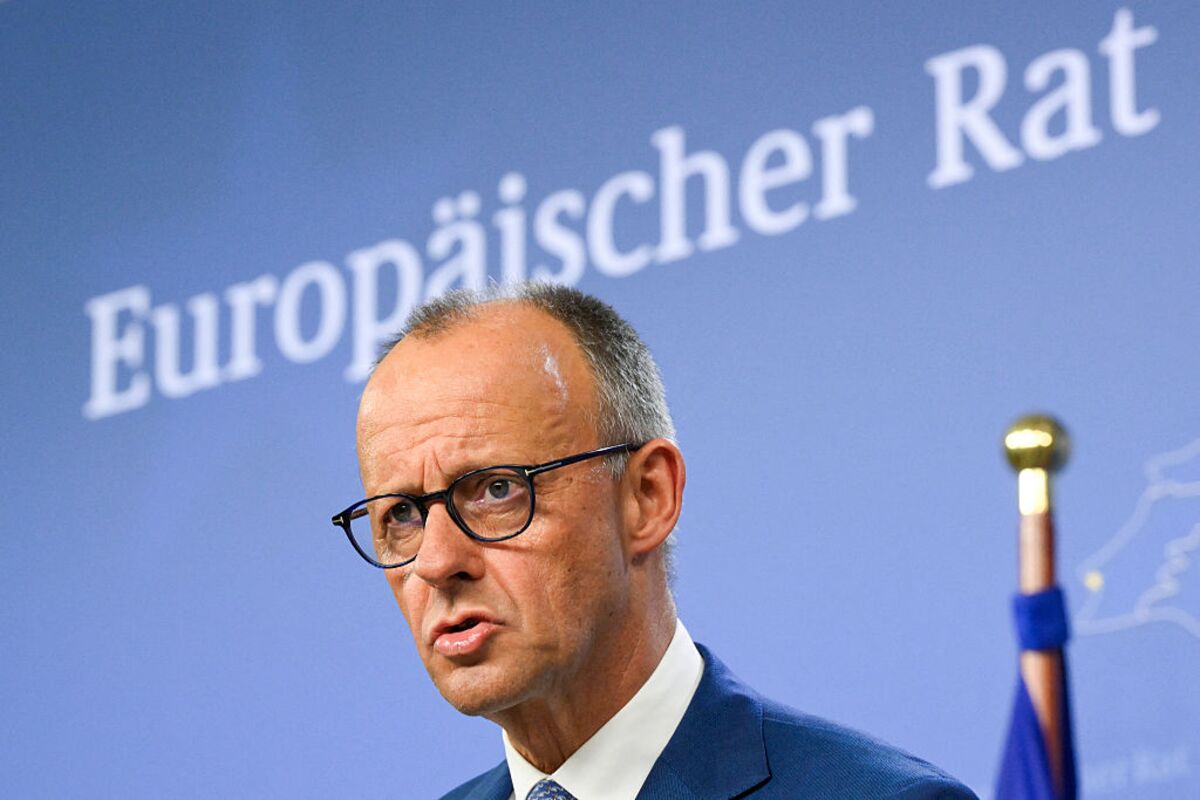
German Chancellor Friedrich Merz signals a sharper economic approach toward China, calling for international discussions on the exchange rate of the Chinese yuan. Speaking in Brussels after an EU European Council summit, Merz says the yuan is undervalued by about 30%, citing a gap larger than the International Monetary Fund’s estimate, which is described as roughly 16%. He links the currency issue to wider concerns about China’s trade practices, including what he describes as market flooding driven by “high subsidies” and industrial policy that creates excess capacity.
Merz frames the proposal as a potential “Plaza Accord”-style effort—an international mechanism aimed at coordinating exchange-rate policies—to address what he and EU partners view as persistent imbalances and a growing trade deficit with China. Bloomberg reports that the currency talks are intended to support the EU’s broader resolve to respond to the deterioration of trade relations.
Together, the two accounts describe Berlin advocating coordinated exchange-rate dialogue alongside pressure on subsidy-linked overcapacity, as part of a broader EU strategy to address China-related trade and currency concerns. The reports do not indicate any specific timeline or formal EU position beyond Merz’s calls.