


Multiple outlets report a genetic study showing that cockroach genomes include large amounts of DNA originally transferred from bacterial endosymbionts. The research describes how cockroaches maintain symbiotic relationships with bacteria inside their bodies, and that these bacterial partners contribute genetic material that becomes incorporated into the host’s genome over evolutionary time. Coverage emphasizes that the transferred DNA is not random; it forms part of the cockroach genome repertoire and can include sequences associated with the endosymbionts’ biology. The findings are presented as evidence that this genetic exchange has persisted for millions of years, meaning cockroach genomes carry a record of long-term host–microbe coevolution. Outlets vary slightly in wording and emphasis, but they converge on the same core point: cockroach genetic makeup contains extensive bacterial-origin DNA, reflecting deep evolutionary history and ongoing or historical symbiosis. The reports frame the work as an example of how endosymbionts can shape animal genomes beyond their immediate biological roles.
Cockroaches’ genomes contain ancient DNA transferred by bacterial endosymbionts
Multiple outlets report a genetic study showing that cockroach genomes include large amounts of DNA originally transferred from bacterial endosymbionts. The research describes how cockroaches maintain...
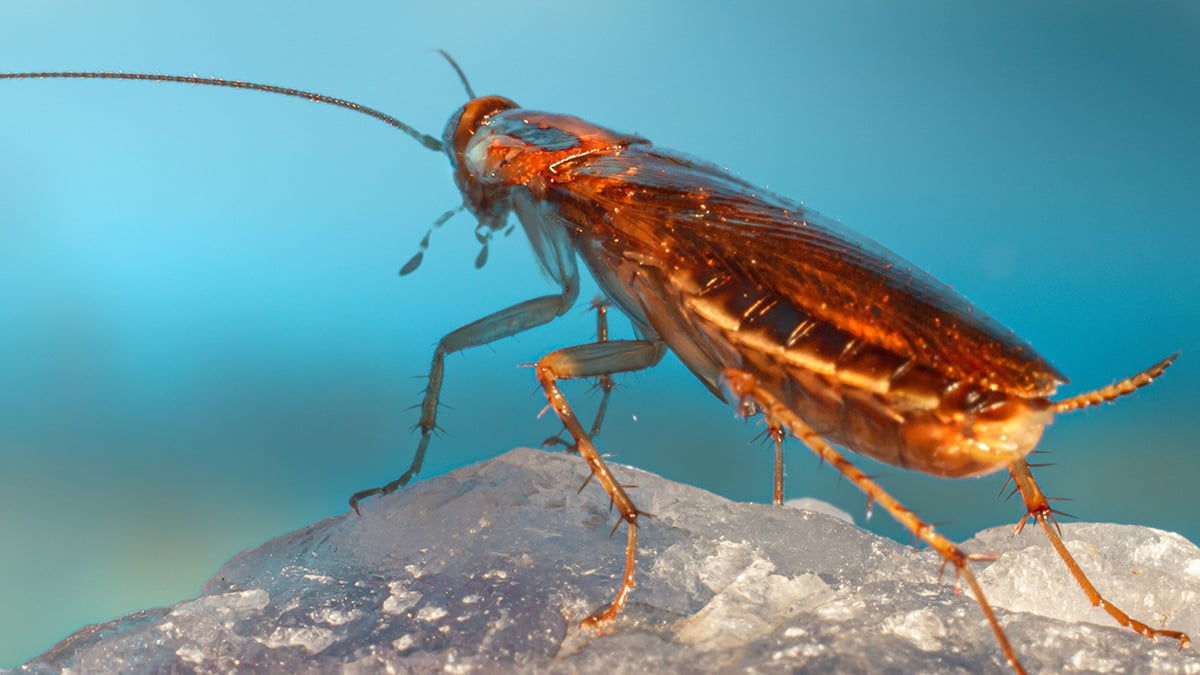
- Cockroach genomes contain DNA segments that originate from bacterial endosymbionts.
- The study indicates these bacterial-origin sequences have been incorporated over very long evolutionary timescales.
- The genetic transfer reflects long-term host–microbe coevolution between cockroaches and their bacterial partners.
- Multiple outlets describe cockroach genomic content as including thousands of pieces or significant portions of bacterial sequences (as reported in the coverage).
- The findings highlight how symbiotic bacteria can influence animal genomes through genetic material transfer.
Cockroaches Have Been Hiding a DNA Secret For Millions of Years ScienceAlertCockroach genomes are packed with DNA transferred by their endosymbiont bacterial partners Phys.orgCockroaches scurry around with thousands of pieces of bacterial genomes Ars Technica
2 months agoAn astonishing genetic discovery.ScienceAlert stories are written, fact-checked, and edited by humans, never generated by AI. Don't miss a story, subscribe here.
2 months ago
Chandigarh University patent enables kitchen wastewater reuse to conserve potable water
Chandigarh University biotechnology researchers receive a patent for an innovative device designed to reuse kitchen wast...

Nancy Grace Roman Telescope set for Aug. 30 launch to study dark energy and exoplanets
NASA’s Nancy Grace Roman Space Telescope is scheduled to launch from Kennedy Space Center in Florida on Sunday, Aug. 30,...

Delhi auto unions threaten Sept 9 strike over CNG price hike and demand higher fares
Delhi auto and taxi unions threaten to go on strike on September 9, citing rising CNG prices that they say are squeezing...