


Multiple analyses discuss why many Indians remain underinsured despite widespread life insurance coverage. The common argument is that consumers are buying insurance products that function primarily like savings or investment vehicles rather than pure “protection” cover. As a result, policy costs rise, but the amount of death benefit relative to the premium can be insufficient for the level of risk households need to cover. The sources characterize this as a mismatch in what people purchase versus what they need, describing an “illusion of protection” created when products marketed as protection carry savings-like structures. They also point to the broader effect of turning life insurance into a savings habit, which can lead households to prioritize returns or perceived savings over adequate coverage. The analyses do not dispute that life insurance penetration exists; instead, they emphasize product mix and coverage adequacy as the core issue. Overall, the reporting frames the problem as systemic—driven by product design and consumer purchasing patterns—rather than simply a lack of life insurance ownership.
Analysts Say High Life Insurance Premiums Leave Many Indians Underinsured
Multiple analyses discuss why many Indians remain underinsured despite widespread life insurance coverage. The common argument is that consumers are buying insurance products that function primarily l...

- Analyses say many Indians are underinsured despite buying life insurance.
- Sources argue high premiums often reflect products with savings or investment features rather than pure protection.
- They describe a mismatch between the protection households need and the type of coverage purchased.
- One explanation presented is that life insurance has become treated as a savings habit.
- The “illusion of protection” is linked to inadequate death benefits for the premium paid.
India is not under-buying life insurance, it is simply over-buying the wrong kind. We have turned a protection product into a savings habit.
2 months agoIndia is not under-buying life insurance, it is simply over-buying the wrong kind. We have turned a protection product into a savings habit.
2 months ago
ICE plans to buy thousands of electric-shock gloves for officers under DHS notice
U.S. Immigration and Customs Enforcement (ICE) moves forward with plans to purchase electric-shock gloves that can deliv...

Cyclosporiasis outbreak expands as CDC investigates thousands of suspected cases
Health officials report that a multistate outbreak of cyclosporiasis is spreading across the United States, with the CDC...
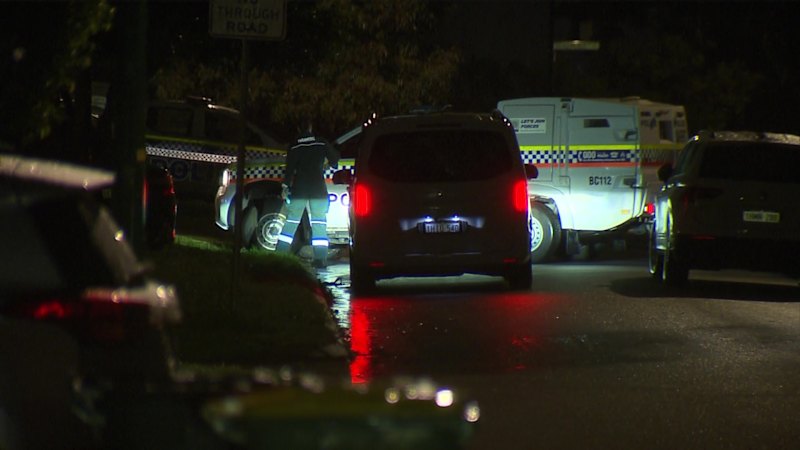
Man charged with murder as police investigate woman’s death in St James
Police in WA investigate a woman’s death in St James, with a man in custody as the matter is taken through the court pro...