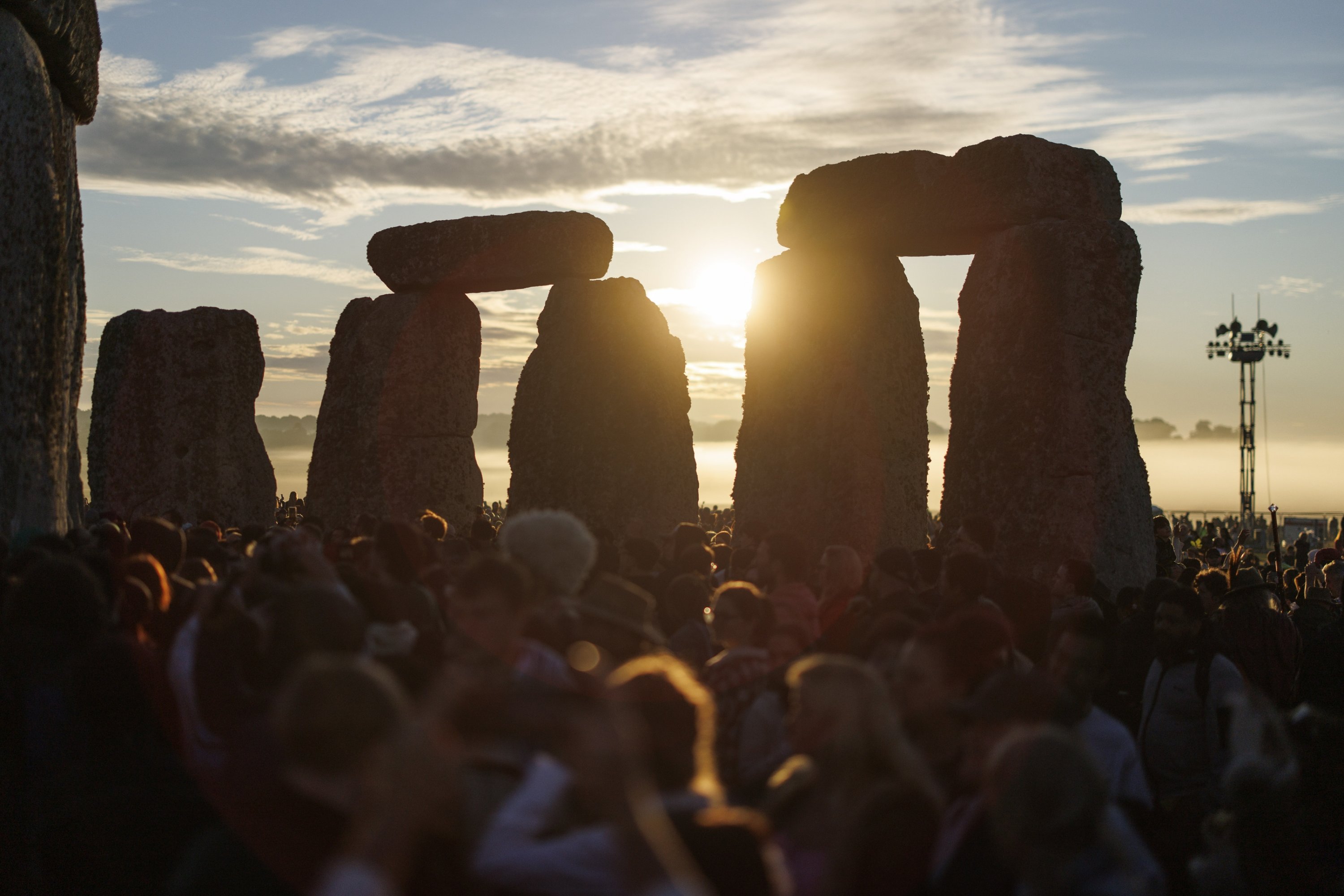
June 21, 2026 is the Summer Solstice in the Northern Hemisphere, bringing the longest day of the year and the shortest night. The event is an astronomical one tied to Earth’s tilt: when the Northern Hemisphere is tilted most directly toward the Sun, regions north of the equator receive the maximum amount of daylight. As a result, the Sun reaches its highest point in the sky around noon for Northern Hemisphere locations, and daylight lasts longer than on any other day. After the solstice, day lengths begin to gradually shorten, while nights lengthen until the next seasonal milestone when day and night become equal at an equinox.
Sources also note that the solstice does not necessarily correspond to the hottest day. Temperatures typically continue to rise for weeks afterward because Earth’s land and oceans take time to absorb and release heat. Historically, the solstice has been observed for thousands of years across cultures, with ancient monuments such as Stonehenge aligned to solstice sunrises, and modern celebrations including festivals and gatherings tied to the season’s arrival.