


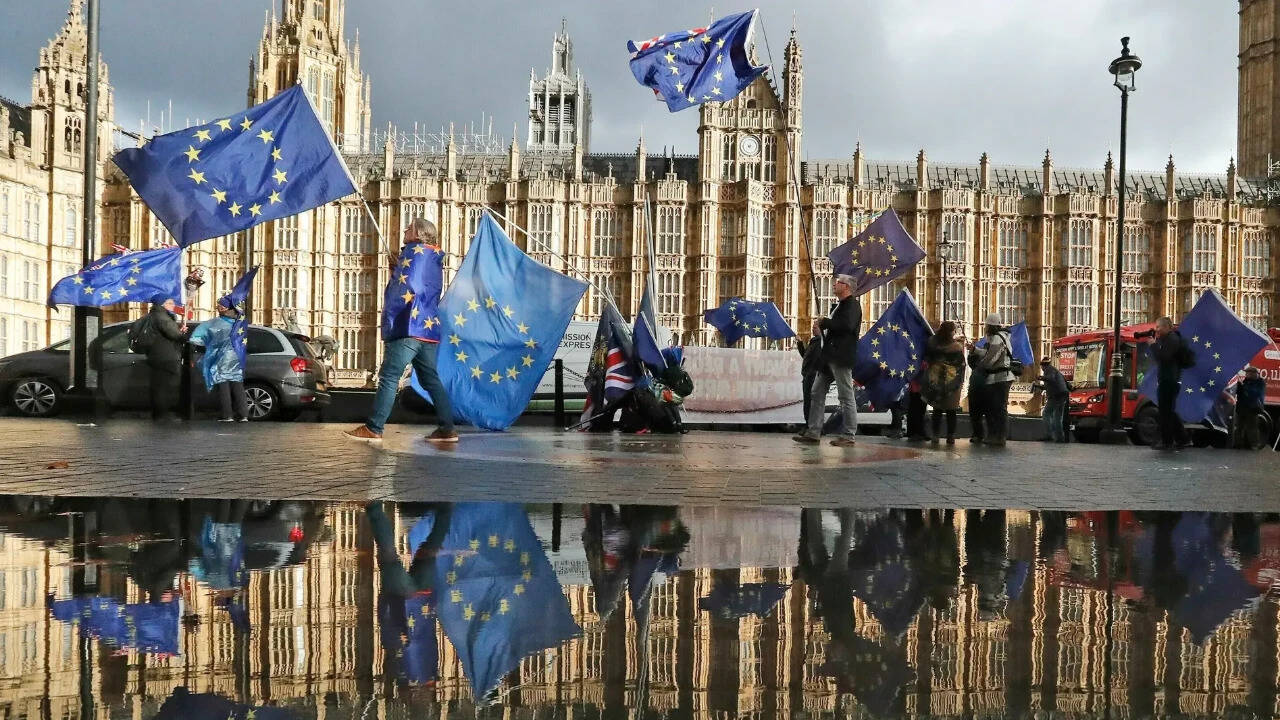
Ten years after the UK’s Brexit vote, Britain continues to experience unresolved consequences in its economy and politics, according to multiple accounts. While the referendum was followed by promises of renewed prosperity, businesses still report practical trade friction with the European Union, including barriers that complicate cross-border commerce. Economists cited across coverage estimate that the country’s economic performance has fallen short of earlier expectations, with assessments pointing to a meaningful contraction.
On mobility and migration, the reporting notes that immigration from EU countries has declined compared with the pre-Brexit period. However, the overall picture is described as mixed: net migration figures have moved downward, while arrivals from outside the EU have increased. As public debate evolves, the issue of irregular migration—particularly Channel crossings—remains a central political flashpoint.
Politically, the coverage says sentiment toward the EU has grown among some groups, but current UK leadership does not support rejoining. Instead, the stated focus is on adjusting or easing trade and administrative friction with Brussels while maintaining the UK’s decision to leave the EU.


