


Ten years after the United Kingdom voted to leave the European Union, many voters continue to describe Brexit as a decision that changed British political identity and social life. Across reporting, the referendum on June 23, 2016 is described as a narrow but decisive outcome: 52% voted to leave, while 48% voted to remain, with more than 17 million people supporting leaving. The vote is also characterized as ending a decades-long effort to deepen ties with Europe, and as triggering the most significant economic and societal shifts in the UK since World War II. Multiple outlets note that the referendum reshaped politics for both leave and remain supporters, with divisions persisting long after the vote. While the original campaign arguments emphasized ending EU laws, reducing immigration, and improving business conditions, current reflections are presented as largely uncelebratory, with many people on both sides looking back with dissatisfaction or regret. The anniversary is therefore portrayed not only as a commemoration of the referendum date, but also as a reminder of unresolved debates about the consequences of leaving the EU.
UK marks 10 years since Brexit referendum, reflecting on lasting division
Ten years after the United Kingdom voted to leave the European Union, many voters continue to describe Brexit as a decision that changed British political identity and social life. Across reporting, t...
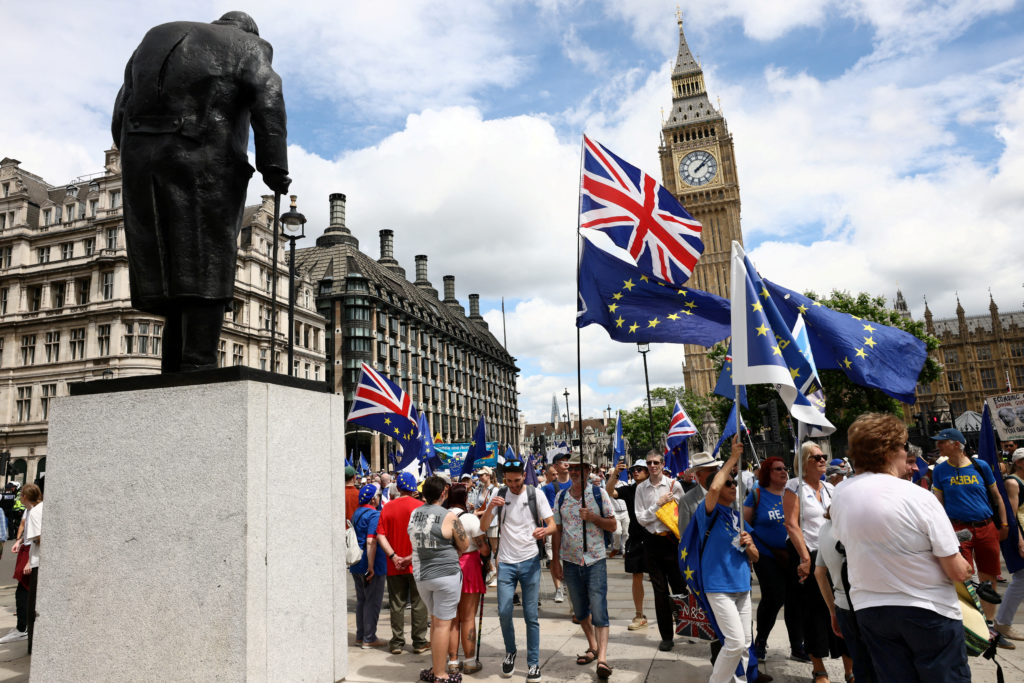
- The UK referendum on EU membership took place on June 23, 2016.
- 52% voted to leave the European Union, while 48% voted to remain.
- At least 17 million people supported leaving the EU.
- Brexit reshapes political identities and continued division between leave and remain supporters.
- Sources describe Brexit as bringing major economic and societal change in the UK since World War II.
Tuesday marks the 10th anniversary of the most divisive day in Britain's recent history: Brexit, the vote to leave the European Union. Voters were promised a Britain free of European laws, decreased immigration, and a major boost to business, without the EU's economic constraints. But as Malcolm Brabant reports, leave and remain voters have one thing in common. They're not celebrating.
2 months agoBrexit, short for British exit, became a reality on June 23, 2016, when 52% — or more than 17 million people — voted to leave the EU. Though the margin was narrow, the vote led to the most dramatic shake-up of the U.K. economy and society since World War II.
2 months agoTen years ago, the United Kingdom voted to leave the European Union in a referendum that forges political identities to this day and that shattered a half-century project to get closer to the continent.
2 months agoLONDON (AP) — Ten years ago, the United Kingdom voted to leave the European Union in a referendum that forges political identities to this day and that shattered a half-century project to get closer to the continent. Brexit, short for British exit, became a reality on June 23, 2016, when 52% — or more than […]
2 months ago
South Korea appoints Lee Hyoung-il as new finance minister in cabinet reshuffle
South Korea holds a cabinet reshuffle on Sunday, appointing veteran technocrat Lee Hyoung-il as the new finance minister...

Euronews publishes multiple May–June 2026 midday and morning news bulletins
Euronews releases a series of short “latest news bulletin” programmes on multiple dates between May 2 and June 6, 2026,...
Keali’i Ah Yat leads Montana past Southern Utah 28-21 in Big Sky opener
Montana beats Southern Utah 28-21 on Saturday night in both teams’ season and Big Sky Conference opener. Keali’i Ah Yat...