
Multiple reports discussing India’s PL-15 missile problem argue that introducing or relying on a longer-range variant by itself is not portrayed as a complete fix. The discussion centers on the idea that a missile’s effective performance against real threats depends on more than range, including the integration of the weapon into India’s broader air-defence and command-and-control ecosystem. Sources emphasize that the PL-15 challenge is linked to systemic factors such as how the missile is employed, the availability and quality of target detection and tracking, and how sensors and platforms work together to provide accurate guidance cues. They also note that operational effectiveness depends on engineering, testing outcomes, and consistent reliability under service conditions, not simply adding additional range. In this view, any improvement effort would need to address weapon capabilities alongside supporting infrastructure—such as radars, data links, target handoff processes, and rules of engagement—so that the missile can be used effectively in practice. Overall, the sources converge on the position that range extensions are only one component of a wider solution.
Commentary says long-range missile alone cannot resolve India’s PL-15 issue
Multiple reports discussing India’s PL-15 missile problem argue that introducing or relying on a longer-range variant by itself is not portrayed as a complete fix. The discussion centers on the idea t...
1 sources
2 hours ago
1 views

Key Points
- Sources argue that a long-range missile alone does not resolve the underlying PL-15-related issue.
- Effectiveness is presented as depending on integration with air-defence systems, not range alone.
- The discussion highlights the role of target detection, tracking, and guidance cueing.
- Supporting infrastructure such as sensors, data links, and command-and-control is treated as critical.
- Reliability and test/performance under operational conditions are cited as factors beyond range.
How Outlets Covered This Story
SWA
SWA
SWA
Related Stories

US and Iran agree 60-day roadmap in Switzerland talks, mediators say
The United States and Iran conclude a first round of high-level talks in Switzerland, with mediators Qatar and Pakistan...
17 sources
6 hours ago

Christian Brothers say they have no funds to pay sex-abuse survivors
The Christian Brothers, a Catholic religious order that historically ran schools in Victoria, says it has no remaining m...
3 sources
3 minutes ago
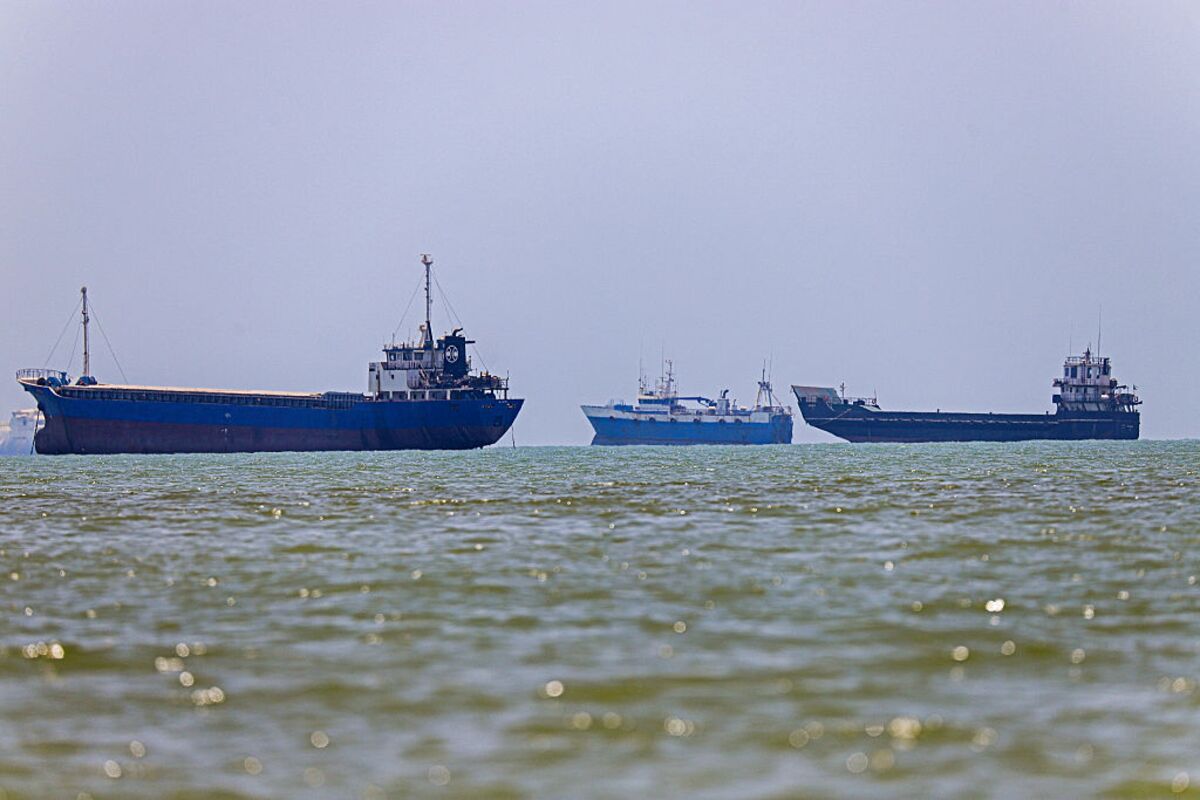
Iran establishes new mechanism and agency to manage Strait of Hormuz transit
Multiple reports say Iran is formalizing and tightening control over vessel traffic in the Strait of Hormuz through a ne...
38 sources
1 month ago