


Scientists report finding “signs of life” in Ötzi the Iceman, the well-preserved human remains dated to about 5,300 years ago. According to the reports, a study detects a community of cold-adapted microorganisms living in or associated with his body. The findings include microbes described as hardy fungi and bacteria that resemble historic gut bacteria, suggesting that parts of a microbial ecosystem may have persisted for thousands of years despite extreme conditions. The researchers characterize Ötzi not only as an artifact but also as a substrate that can preserve microbial activity or remnants, offering a rare look at how microorganisms survive over long timescales. While the outlets describe the discovery as a notable glimpse into microbial history, they focus on what was detected—namely ancient cold-loving microbes—and what the results could indicate about long-term microbial persistence. The reports present the discovery as valuable for understanding ancient microbial life and its ability to endure.
Scientists detect microbes in Ötzi the Iceman, raising questions about ancient life
Scientists report finding “signs of life” in Ötzi the Iceman, the well-preserved human remains dated to about 5,300 years ago. According to the reports, a study detects a community of cold-adapted mic...
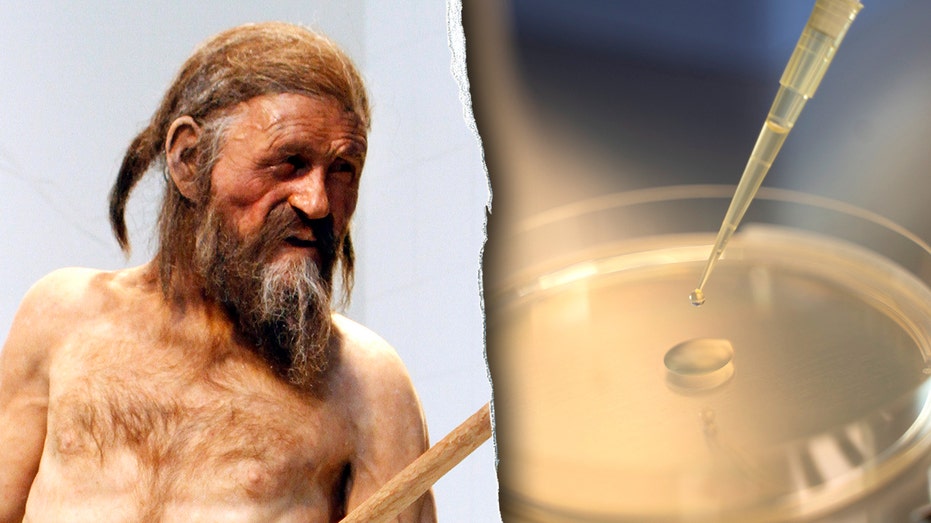
- Researchers report detecting cold-adapted microbes in Ötzi the Iceman, dated to about 5,300 years old.
- The detected microbes include bacteria and hardy fungi, according to the reports.
- Some organisms are described as resembling historic gut bacteria.
- The study is presented as evidence of rare preservation of microbial life over thousands of years.
- Findings are framed as useful for understanding how microorganisms can endure extreme conditions and time.
Researchers found ancient microbes inside Ötzi the Iceman that may have persisted over 5,300 years. A new study shares details of a rare glimpse into microbial history.
2 months agoSurprisingly, Ötzi the Iceman, whose remains date back 5,300 years, is not merely an ancient artifact. Scientists have detected a bustling community of cold-loving microbes, inclusive of historic gut bacteria and hardy fungi, coexisting within his body. This exceptional finding reveals invaluable information about ancient microbial life and its incredible capability to endure, portraying Ötzi as a dynamic ecosystem that continues to evolve.
2 months ago
Trump signs order creating U.S. Space Academy to train for Space Force and space industry
President Donald Trump signs an executive order creating a new U.S. Space Academy, a space-focused military educational...

CBC reverses guidance on describing 9/11 as “terrorist attacks” after backlash
The Canadian Broadcasting Corporation (CBC) reverses internal guidance that told some staff not to describe the Sept. 11...

Trump administration considers land transfer involving a parcel of Yosemite for access to private development
The Trump administration is considering transferring a small parcel of Yosemite National Park to a private developer, re...