


Multiple analyses report that many older Americans are losing economic ground as federal policies reduce or reshape benefits they commonly rely on, particularly among low-income households. Both sources point to expected reductions and other adjustments tied to federal program rules and funding decisions that affect older people’s purchasing power. The Independent emphasizes that several benefits used by low-income older Americans are facing substantial reductions, indicating potential impacts on day-to-day living costs. The Conversation similarly argues that, regardless of the president’s age, policy changes can make life harder for many Americans of modest means as they reach older age. Taken together, the articles describe a situation in which demographic representation in national leadership does not necessarily translate into stronger outcomes for retirees or near-retirees. Instead, the determining factor highlighted across sources is how federal benefit programs are structured and altered over time, with the emphasis on reductions that disproportionately affect people with limited incomes.
Older Americans face shrinking benefits as federal changes affect people of modest means
Multiple analyses report that many older Americans are losing economic ground as federal policies reduce or reshape benefits they commonly rely on, particularly among low-income households. Both sourc...
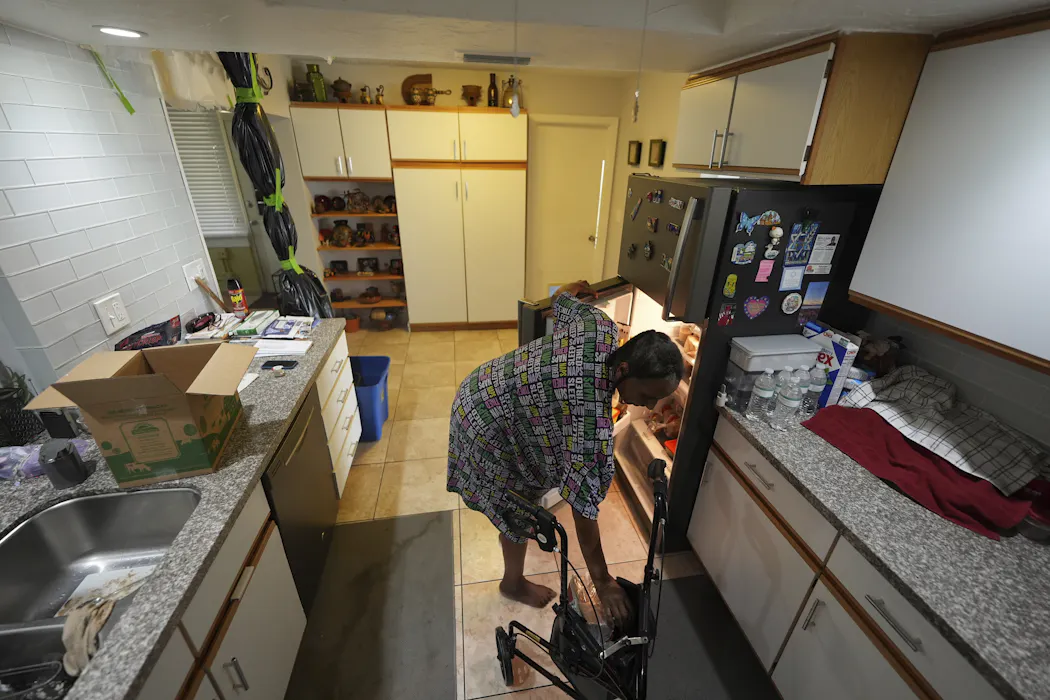
- Older Americans who rely on federal benefits are projected to face reductions.
- The impacts are described as most significant for low-income or modest-means older adults.
- Federal policy changes are identified as a major driver of worsening conditions.
- The sources argue that an older president does not automatically prevent negative outcomes for retirees.
Benefits that many low-income older Americans rely on are facing substantial reductions
2 months agoFederal policy changes are likely to make life harder for many Americans of modest means as they age.
2 months ago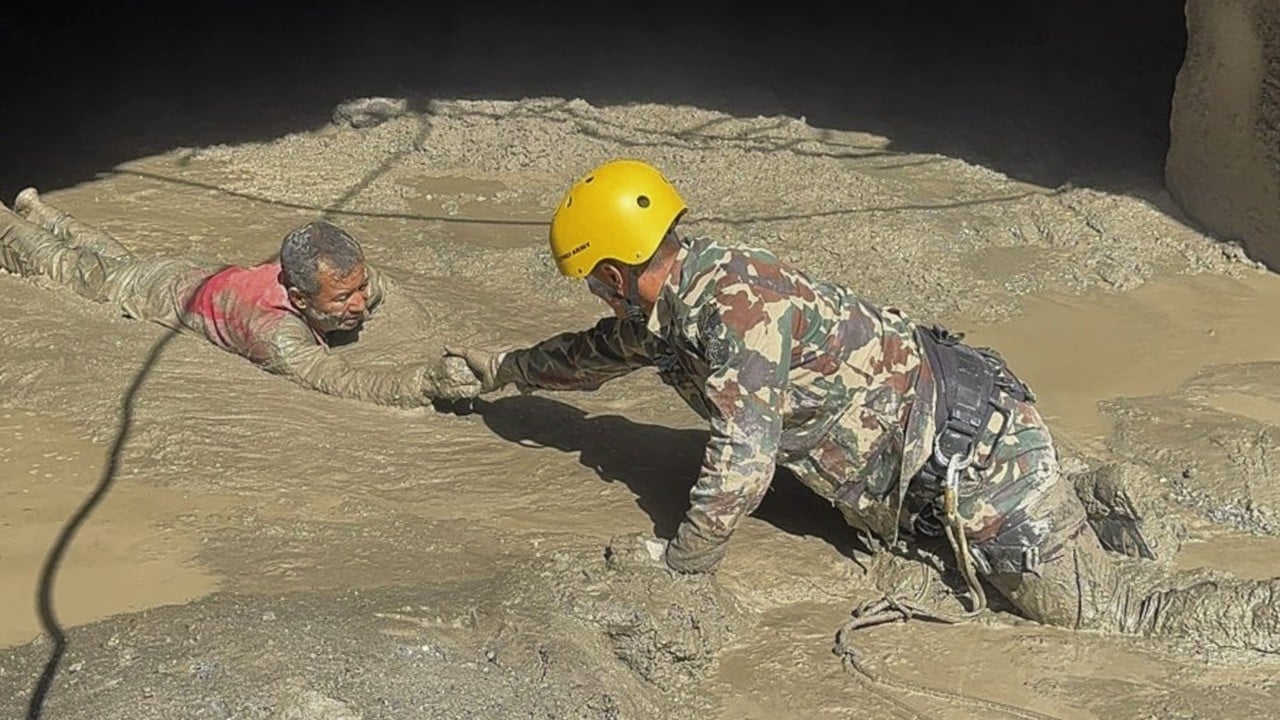
Nepal Army begins tunnel rescue at Trishuli hydropower site for missing workers
Rescuers in Nepal are using drilling and tunneling equipment to reach workers missing after catastrophic floods that hit...
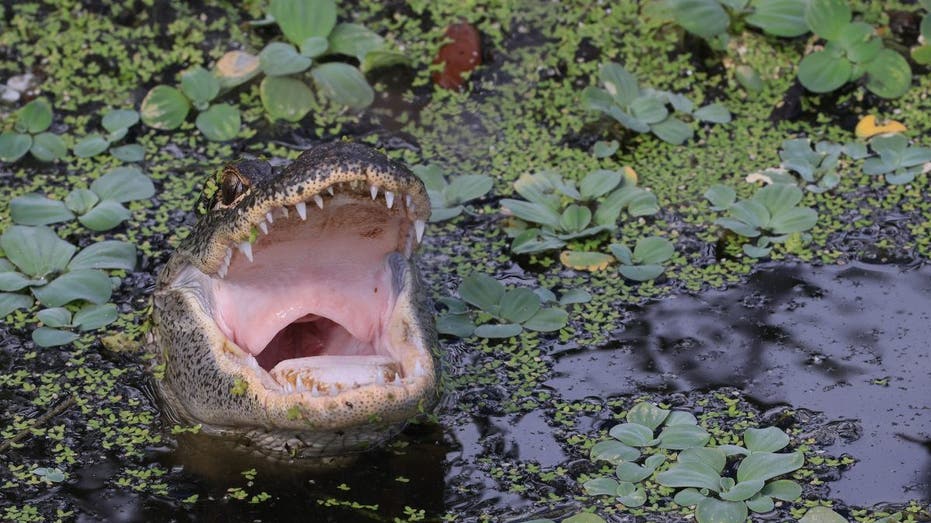
Triathlete Jonathan Bruney survives Savannah River alligator attack during training swim
Triathlete Jonathan Bruney survives an alligator attack during a training swim in the Savannah River near Augusta as he...

Writer plays “be the prime minister” game that tests policy choices under media scrutiny
A writer reports playing a new computer game that lets players role-play as a prime minister and confront a series of po...