


Multiple Australian outlets report on a human brain experiment involving scientists investigating how vivid memories are formed and stored. The articles describe the account of a participant who agrees to take part in a research study and later confronts unusual medical equipment described as “giant blue syringes.” While the reporting varies little across sources, they consistently frame the work as new findings from neuroscience research that could help explain why some memories feel unusually detailed, vivid, and lifelike. The outlets characterise the discovery as “something remarkable” about the brain, suggesting it may shed light on the mechanisms underlying vivid recall. The articles focus primarily on the study’s premise and the experimental procedure as experienced by the participant, rather than providing extensive technical detail or named results. Taken together, the coverage indicates that the experiment uses specialized laboratory tools to examine brain activity or responses associated with memory, with the potential implication that the findings could improve understanding of human memory experiences. All sources present the work as emerging research and highlight its relevance to vivid memories.
Scientists use experimental brain imaging to study vivid memory in human participants
Multiple Australian outlets report on a human brain experiment involving scientists investigating how vivid memories are formed and stored. The articles describe the account of a participant who agree...
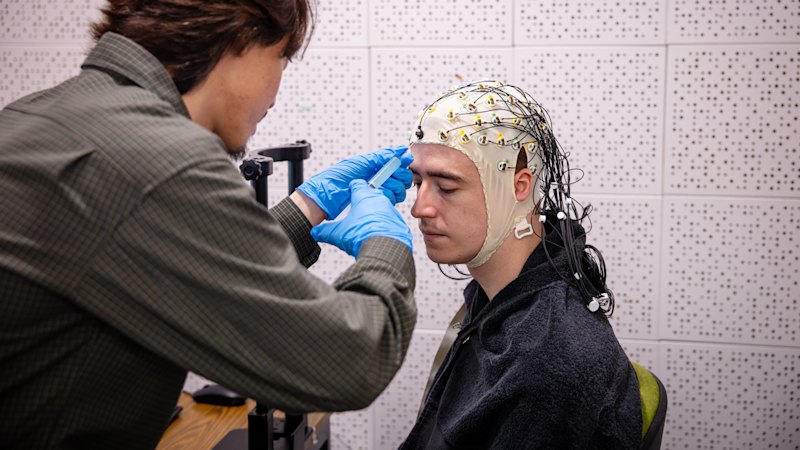
- Scientists are studying the brain to better understand how vivid memories form.
- The reports describe a human participant agreeing to take part in the experimental procedure.
- Outlets portray the experimental setup as involving unusually large medical syringes.
- The findings are presented as potentially relevant to explaining why some memories feel especially detailed and lifelike.
- The articles focus on the participant’s experience and the study’s premise rather than extensive technical results.
Scientists have discovered something remarkable about the brain – and it might explain our most vivid memories.
2 months agoScientists have discovered something remarkable about the brain – and it might explain our most vivid memories.
2 months agoScientists have discovered something remarkable about the brain – and it might explain our most vivid memories.
2 months ago
China removes generals Zhang Youxia and Liu Zhenli from Central Military Commission
China removes senior military officers Zhang Youxia and Liu Zhenli from the Central Military Commission (CMC), state med...

Trump signs order for first U.S. Space Academy and awards Artemis II with Medal of Honor
President Donald Trump signs an executive order to establish the United States’ first Space Academy and presents the Con...

Editors’ Picks: 11 Autumn Bags Suggested by Retailers and Fashion Outlets
Fashion outlets compile a list of 11 handbags for autumn, highlighting bags they say are worth investing in for the seas...