


The U.S. Senate overwhelmingly passes a bipartisan, sweeping housing affordability bill, then sends it to the House. Multiple outlets describe the measure as the result of weeks of negotiations and a rare level of cross-party agreement as lawmakers seek visible progress on housing costs ahead of upcoming elections. The legislation is designed to lower housing prices primarily by expanding housing supply and increasing the construction of more homes. Another stated component is limiting certain practices by large investors that could outbid families, though details vary by outlet rather than being fully enumerated in the provided summaries. After Senate passage, the House gives final approval to the same legislation, sending the bill onward for further action by the president. Bloomberg reports the House vote as 358–32, characterizing it as a significant housing package and one of the most sweeping efforts in decades. PBS NewsHour similarly describes it as a major effort to increase supply and bring down prices. Overall, sources agree the bill reflects bipartisan consensus and aims to address one of Americans’ top affordability concerns by boosting housing availability and restraining investor-driven pressure on home purchases.
Senate and House pass sweeping bipartisan housing affordability bill
The U.S. Senate overwhelmingly passes a bipartisan, sweeping housing affordability bill, then sends it to the House. Multiple outlets describe the measure as the result of weeks of negotiations and a...
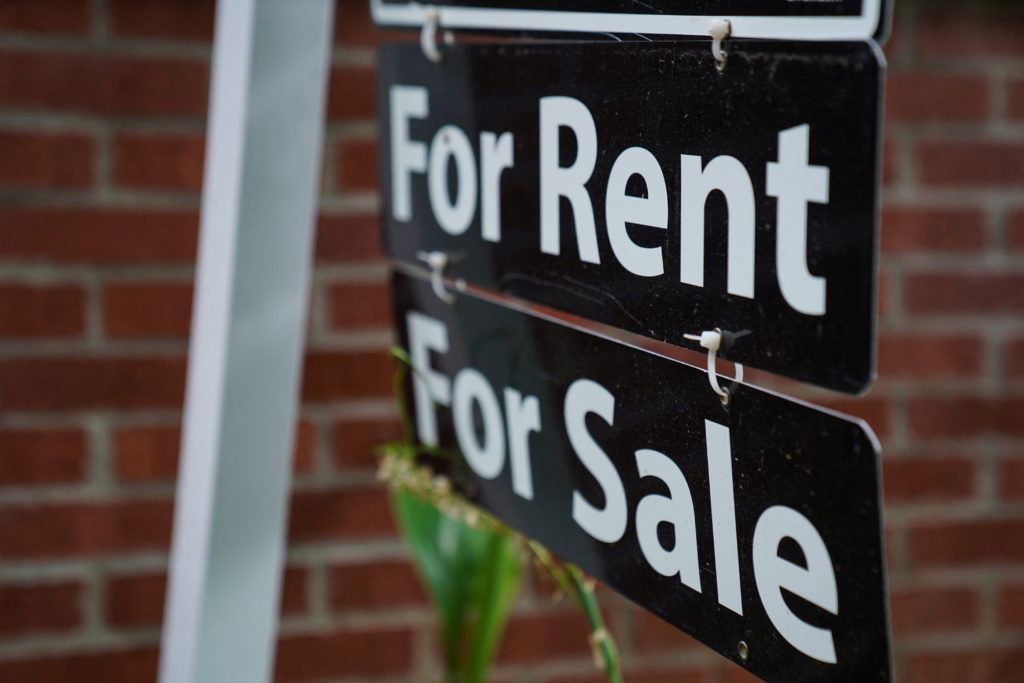
- The Senate passes a bipartisan housing affordability bill and sends it to the House.
- The House approves the bill as a final step, with a reported vote of 358–32.
- The legislation aims to lower housing costs by increasing housing supply and homebuilding.
- It also seeks to prevent or limit large investors from outbidding families.
- The bill reflects rare bipartisan legislative cooperation after weeks of negotiations.
The legislation represents one of the most sweeping efforts in decades to increase the supply of housing and bring down prices.
3 months agoThe House on Tuesday passed a bipartisan package of bills that lawmakers say will help Americans struggling to afford housing.
3 months agoDonald Trump has indicated he will sign rare bipartisan initiative to tackle affordability after 358-32 vote in HouseThe House gave final approval on Tuesday to a broad bipartisan bill aimed at lowering the cost of housing, with lawmakers in both parties eager to show progress on affordability issues ahead of this year’s midterm elections.The 358-32 vote sends the bill to Donald Trump, who is expected to sign it into law on Wednesday at the Capitol. The Senate passed the legislation 85-5 on Monday. Continue reading...
3 months agoThe legislation aims to increase housing supply and lower costs. It marks a rare bipartisan legislative accomplishment for lawmakers.
3 months agoThe US House of Representatives on Tuesday passed the most significant housing legislation in decades on a 358-32 vote, sending to President Donald Trump’s desk a bill with rare bipartisan backing that’s aimed at showing action on voters’ affordability concerns.
3 months agoThe House has given final approval to a broad bipartisan bill aimed at lowering the cost of housing, with lawmakers in both parties eager to show progress on affordability issues ahead of this year’s midterm elections
3 months agoAn expansive bipartisan bill intended to bring down the cost of housing by boosting the supply of homes is headed for a final vote in the House, after having passed the Senate on Monday.
3 months agoAn expansive bipartisan bill intended to bring down the cost of housing by boosting the supply of homes has passed both houses of Congress, and is headed to the president's desk for a signature.
3 months agoIts passage follows weeks of intense negotiations as lawmakers from both parties sought to address housing affordability in an election year
3 months agoThe bill, which passed 85-5 and now heads to the House, has been the focus of intense negotiations in recent weeks as lawmakers in both parties try to address housing costs in an election year
3 months agoThe Senate on Monday evening passed the final bipartisan, bicameral version of a housing package that both parties view as key to addressing one of Americans' top affordability concerns.
3 months agoThe Senate passed a bill aimed at lowering housing costs on Monday after a major breakthrough and rare bipartisan consensus.
3 months agoThe bipartisan legislation was crafted in both chambers and must now pass the House. It seeks to build more homes and prevent large investors from outbidding families.
3 months agoThe Senate on Monday overwhelmingly passed a bipartisan bill aimed at lowering housing costs, sending the legislation to the House. The rare show of near-unanimous support comes as lawmakers hustle to score wins on affordability that they can trumpet back home during a midterm campaign cycle that has focused heavily on rising costs. The bill,...
3 months ago
Vance says Iran must cut enrichment to end war; US says Tehran’s decision process unclear
US Vice President JD Vance says Iran must make a “meaningful” reduction in its nuclear enrichment capacity to satisfy US...

Trump says he will speak with Putin soon over reported Siberian plague death
President Donald Trump says he will speak “very soon” with Russian President Vladimir Putin about a reported death of a...

Ex-CIA official David Rush pleads guilty in multimillion-dollar gold and fraud case
David J. Rush, a former senior CIA official, pleads guilty in Virginia to fraud charges after prosecutors said he used h...