


A previously unseen letter by George Washington, dated 1781, is being displayed for the first time. The document records Washington’s acceptance of British surrender and is described by multiple outlets as an important step that helps set in motion the negotiations leading to the 1783 Treaty of Paris. That treaty is the agreement through which Britain formally recognizes American independence. The letter is now being presented publicly in London, with coverage highlighting its historical importance and its physical appearance, including the faded cursive handwriting. The accounts agree that the note played a key role in the process that followed the surrender, linking Washington’s correspondence to the later diplomatic outcomes. While the articles focus on different aspects—such as the letter’s role in the negotiations or its display location—the overall message is consistent: the document is tied to the final phase of the American Revolutionary War and to the treaty settlement that secured international recognition of the United States. The presentation marks the first time the letter is shown to the public.
Washington’s letter accepting British surrender to go on display in London
A previously unseen letter by George Washington, dated 1781, is being displayed for the first time. The document records Washington’s acceptance of British surrender and is described by multiple outle...
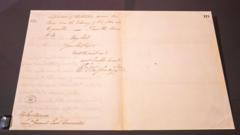
- The letter is written by George Washington and is dated 1781.
- It records Washington’s acceptance of British surrender.
- The letter is described as paving the way for negotiations leading to the 1783 Treaty of Paris.
- The Treaty of Paris includes Britain’s formal recognition of U.S. independence.
- The letter is displayed publicly for the first time in London.
In faded cursive handwriting, George Washington accepts British surrender in a note that helped pave the way for the independence of America.
2 months agoThe letter from 1781 accepts British surrender which paved the way for American independence.
2 months agoThe letter set in motion the negotiations that led to the 1783 Treaty of Paris, when Britain formally recognised the independence of the United States
2 months agoThe letter set in motion the negotiations that led to the 1783 Treaty of Paris, when Britain formally recognised the independence of the United States
2 months ago
YPP boycotts Anambra local government election citing violence and electoral irregularities
The Young Progressives Party (YPP) boycotts the local government election in Anambra State, saying the process is marred...

Gordon Brown says Irish unification is inevitable in the long term
Former UK prime minister Gordon Brown says a united Ireland will be inevitable in the future, but that it would require...
Akpabio says 2027 campaigns will not disrupt National Assembly legislative duties
Senate President Godswill Akpabio says preparations for the 2027 elections will not stop or disrupt members of the Natio...