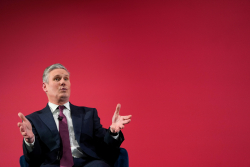
Multiple accounts characterize the UK’s political landscape as resistant to sustained progress by any prime minister. They note that, despite leadership changes—including the departure of Keir Starmer as prime minister—there is no clear evidence that a new leader resolves the underlying problem. The central theme across the coverage is voter behavior: elections do not consistently produce a decisive mandate that translates into long-term governing momentum. Instead, voters are described as repeatedly withholding or limiting support from the party it is perceived to have “won,” which in turn constrains the ability of successive prime ministers to implement their agenda or build stable backing in office.
The sources frame the leadership turnover as part of a broader pattern rather than a one-off outcome. They suggest that political traction depends not only on who leads the government but also on the level and stability of electoral support that follows elections. As a result, the reporting presents a scenario where each change at the top occurs within the same wider environment, where electoral outcomes continue to limit the governing mandate.