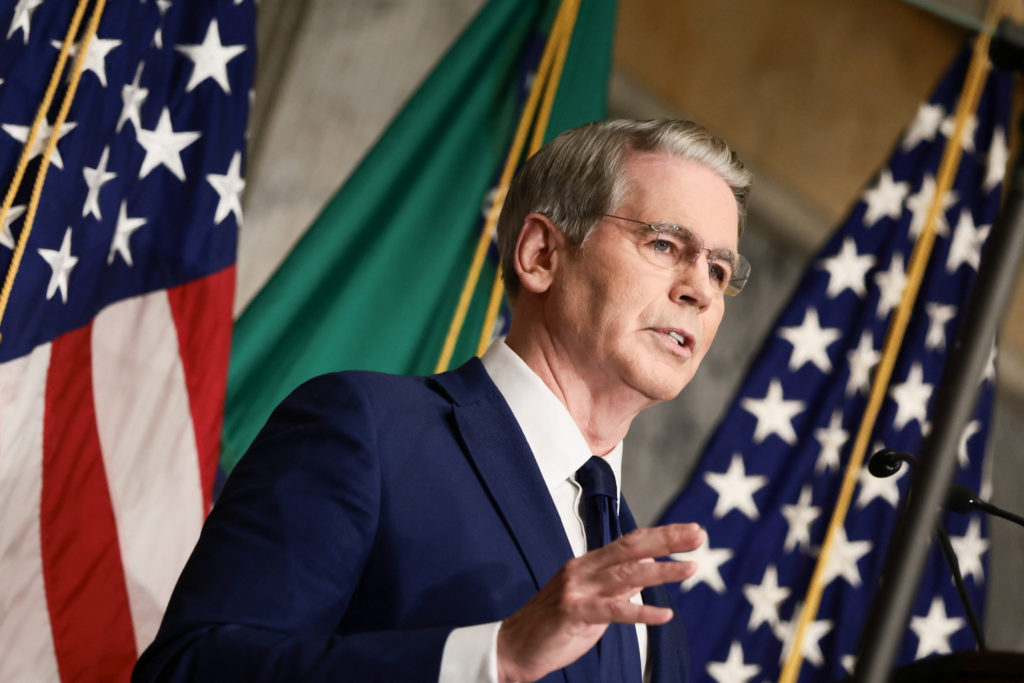
U.S. Secretary of State Marco Rubio begins a week of meetings with Gulf Arab leaders to explain and build support for a U.S. Iran-related “reset” or peace deal, amid concerns in the region about the terms. Multiple outlets report that Gulf officials worry the United States may offer “excessive” concessions—figures cited include up to about US$300 billion—that could strengthen Iran and alter regional security dynamics. They also raise concerns about potential changes to oil flows as the agreement takes effect.
Reuters reports Rubio travels first to the United Arab Emirates, then to Kuwait and Bahrain, where he will meet officials associated with the Gulf Cooperation Council (GCC), a grouping that includes Saudi Arabia, Qatar and Oman. France 24 characterizes the trip as a “charm offensive,” reflecting Rubio’s effort to address the allies’ reluctance and reassure them. Other coverage similarly frames the task as difficult, noting that GCC states have strategic ties with the United States and have previously provided logistical support during tensions involving Iran.
Across sources, the common focus is Rubio’s effort to secure Gulf buy-in by addressing fears about regional balance and the economic implications of the U.S.-Iran deal.