


Multiple outlets report that Queensland’s latest budget does not include the structural reforms needed to ease the state’s growing debt burden. The coverage focuses on the impact of rising borrowing costs, noting that the state must set aside a substantial amount each year to pay interest on its debt. While the articles describe the debt servicing requirement as “eye-watering,” they frame it as a key fiscal constraint that limits flexibility in future budgeting. The reports argue that without structural changes—such as reforms aimed at improving long-term financial sustainability—Queensland’s finances remain under pressure from ongoing interest payments. Across the sources, the central theme is that addressing debt effectively requires more than managing annual spending or revenue fluctuations; it requires reforms intended to reduce the underlying drivers of the state’s debt trajectory. The articles do not identify specific reform measures within the summaries provided, but they consistently link the budget’s approach to continued strain from debt interest costs.
Queensland budget report says structural reforms are needed to curb rising debt costs
Multiple outlets report that Queensland’s latest budget does not include the structural reforms needed to ease the state’s growing debt burden. The coverage focuses on the impact of rising borrowing c...
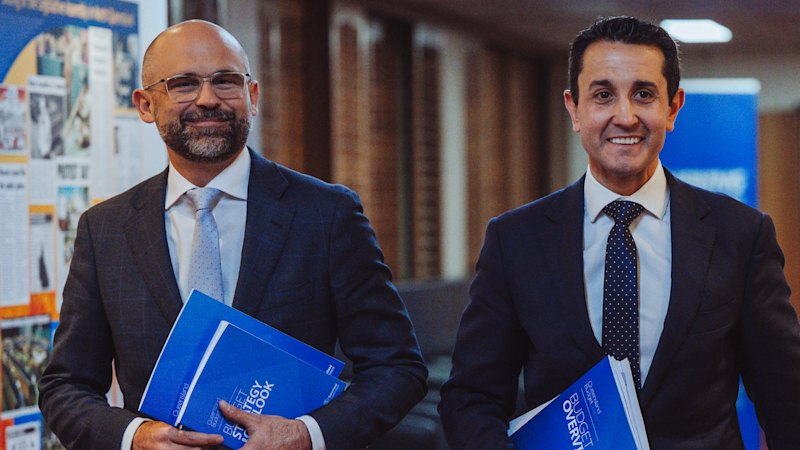
- Queensland’s budget is described as lacking structural reforms to ease rising debt.
- The state faces a large annual interest bill linked to spiralling debt.
- Debt servicing costs are presented as a major constraint on future budgeting.
- All outlets attribute ongoing fiscal pressure to continued debt interest payments rather than one-off budget measures.
- The reports emphasize the need for longer-term financial sustainability changes.
Queensland will need to pay an eye-watering sum each year just to cover the interest bill attached to spiralling debt.
2 months agoQueensland will need to pay an eye-watering sum each year just to cover the interest bill attached to spiralling debt.
2 months agoQueensland will need to pay an eye-watering sum each year just to cover the interest bill attached to spiralling debt.
2 months ago
Experts find Greenland forced contraception violated rights but did not meet genocide threshold
Two expert reports released on Friday conclude that a decades-long campaign of forced contraception in Greenland violate...
Judge declines immediate block of Trump executive order limiting birthright citizenship
A federal judge in Maryland declines to immediately block implementation of President Donald Trump’s latest executive or...

Milo Yiannopoulos detained in ICE custody, multiple outlets report
Far-right commentator Milo Yiannopoulos is detained in U.S. Immigration and Customs Enforcement (ICE) custody, according...