


Astronomers using NASA’s Hubble Space Telescope report detecting ultraviolet light coming from a galaxy that existed about 1.4 billion years after the Big Bang. The findings highlight an unexpected source of energy: the galaxy contains tightly clustered young stars that emit ionizing ultraviolet radiation. According to the reports, this ionizing light helps transform the surrounding environment by affecting nearby opaque, neutral gas within the galaxy and in the immediate region around it. By clearing or changing this gas, the radiation improves visibility through what would otherwise be dense material. The researchers suggest that similar ultraviolet-emitting galaxies in the early universe may have played an important role in clearing the “neutral fog” of hydrogen that filled space at the time. The summary accounts for both the overall detection with Hubble and the specific interpretation that the galaxy’s young, clustered star population drives the observed ionizing effect.
Hubble Observes Ultraviolet Light From Galaxy 1.4 Billion Years After the Big Bang
Astronomers using NASA’s Hubble Space Telescope report detecting ultraviolet light coming from a galaxy that existed about 1.4 billion years after the Big Bang. The findings highlight an unexpected so...
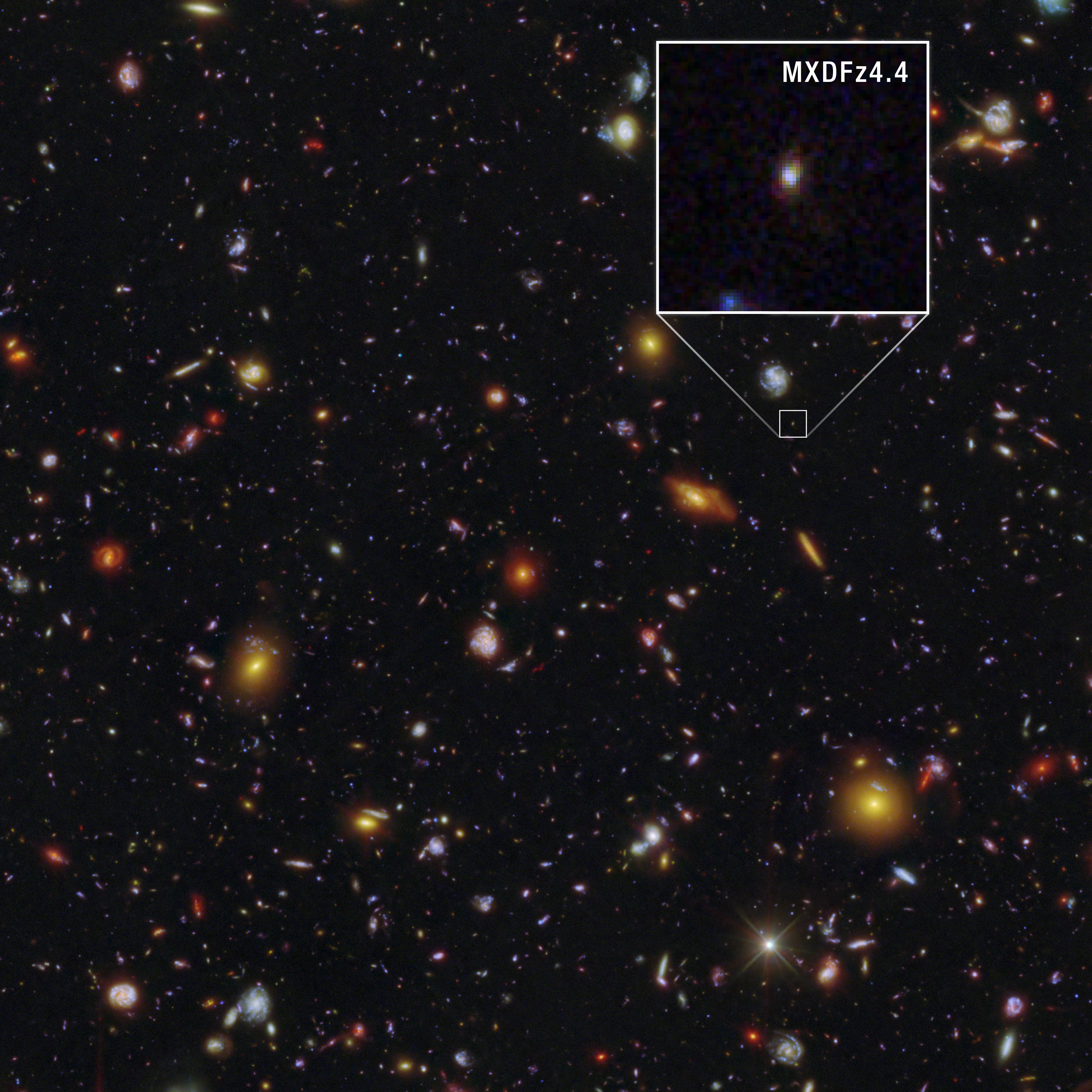
- NASA’s Hubble Space Telescope detects ultraviolet light from an early galaxy.
- The galaxy is estimated to exist about 1.4 billion years after the Big Bang.
- The ultraviolet emission comes from tightly clustered young stars in the galaxy.
- The ionizing light affects and helps transform neutral gas within and around the galaxy.
- The results support the idea that similar galaxies helped clear neutral hydrogen gas in the early universe.
Astronomers using NASA's Hubble Space Telescope have found something they never expected—ultraviolet light from a galaxy that existed just 1.4 billion years after the Big Bang. That galaxy contains tightly clustered young stars that produce ionizing light capable of transforming the opaque, neutral gas within and immediately around the galaxy, clearing our view. This suggests that similar galaxies in the early universe were responsible for clearing the neutral fog of hydrogen gas that once filled the cosmos.
2 months agoAstronomers using NASA’s Hubble Space Telescope have found something they never expected — ultraviolet light from a galaxy that existed just 1.4 billion years after the big bang.
2 months ago
NASA launches Roman Space Telescope on SpaceX Falcon Heavy to map cosmos
NASA launches its Roman Space Telescope on Sunday aboard a SpaceX Falcon Heavy rocket, beginning a multi-year mission to...
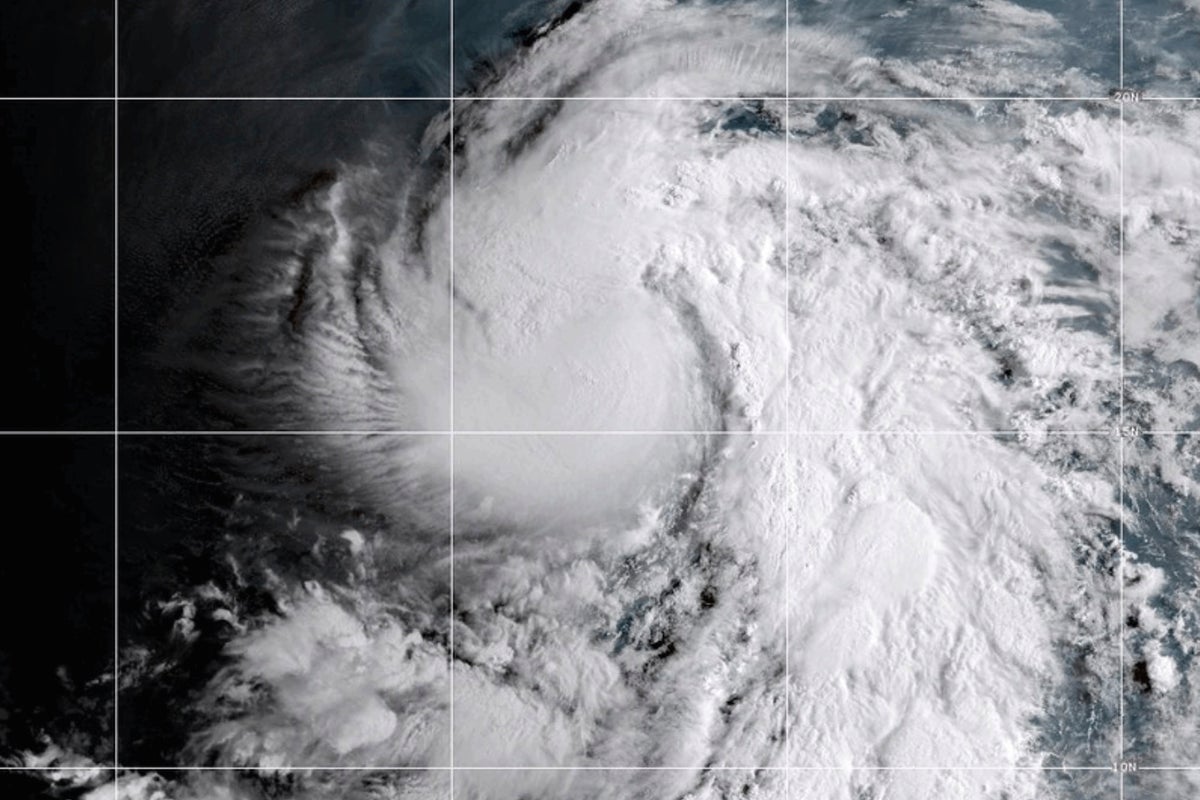
Tropical Storm Karina strengthens into a hurricane in the Pacific
Tropical Storm Karina strengthens into a hurricane in the Pacific Ocean. Multiple reports indicate the storm is intensif...
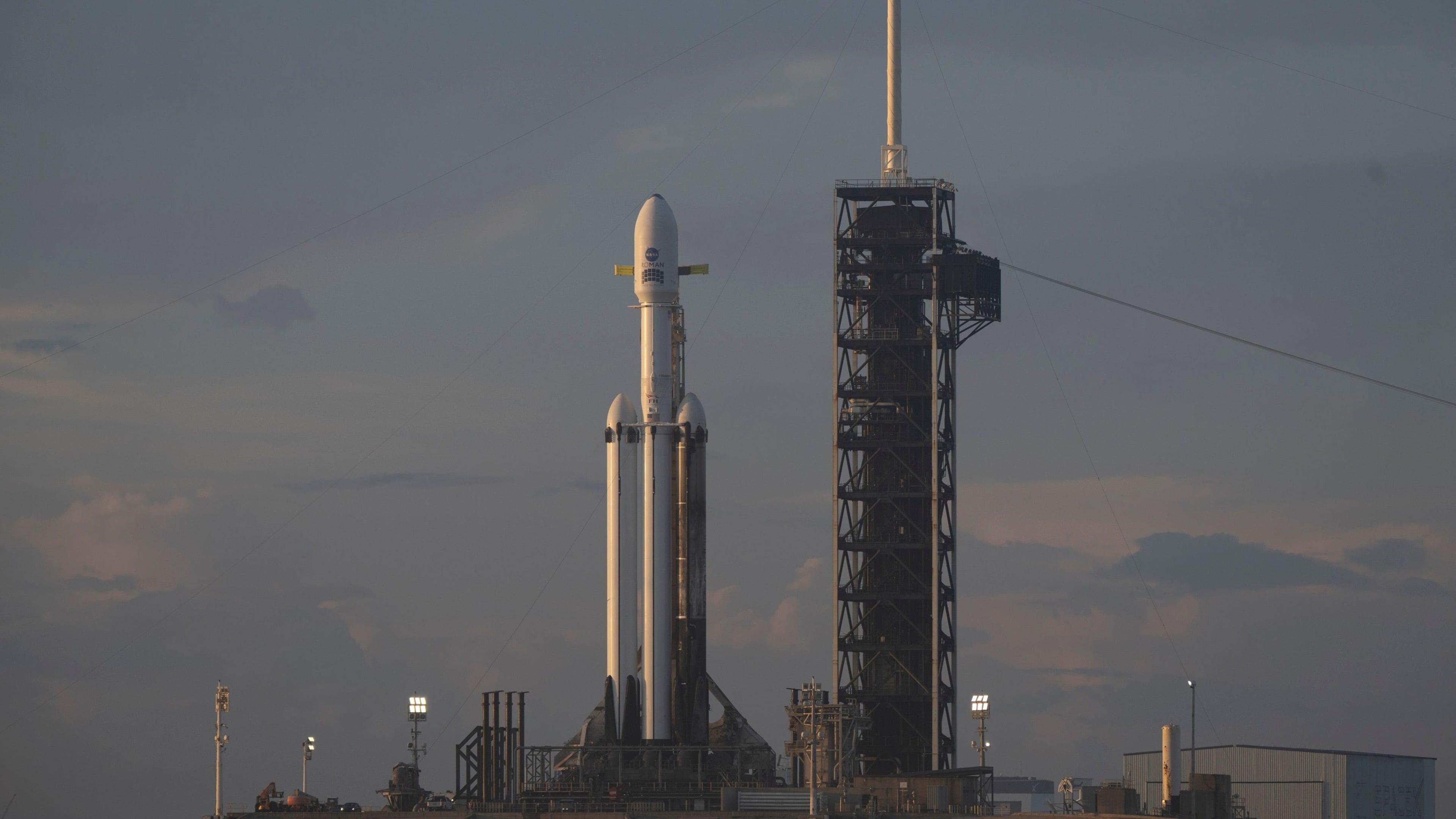
NASA launches newest space telescope to study hidden universe and search for exoplanets
NASA launches its newest space telescope into orbit to study distant regions of the universe and search for planets arou...