


Wildlife is often moved when major infrastructure projects are built, a practice commonly known as mitigation translocation. The aim is to reduce impacts on animals by relocating them away from construction areas. According to the provided sources, translocation is widely recognized and used globally, particularly in rural settings where development can displace wildlife. Research cited in The Conversation indicates that millions of animals are moved through this approach, yet outcomes after relocation are not well understood. The Conversation highlights a lack of knowledge about animals’ subsequent survival, health, and ability to establish in new locations. Phys.org adds that mitigation translocation is not consistently implemented: not all projects apply the method in the same way, and some may not use it at all. Together, the reports suggest that while translocation is employed to mitigate development impacts, variability in how it is carried out and limited follow-up data leave significant uncertainty about what happens to animals afterward.
Wildlife relocation for infrastructure raises uncertainty about what happens after translocation
Wildlife is often moved when major infrastructure projects are built, a practice commonly known as mitigation translocation. The aim is to reduce impacts on animals by relocating them away from constr...
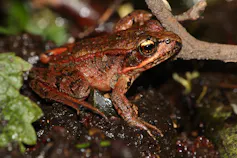
- Mitigation translocation is used to move wildlife out of areas affected by infrastructure projects.
- Millions of animals are relocated through this approach, based on research cited in the sources.
- There is limited information about animals’ outcomes after relocation, including survival and adaptation.
- Implementation of mitigation translocation is inconsistent across projects.
- Some infrastructure developments may not apply mitigation translocation at all.
When major infrastructure projects are built in rural areas, wildlife is often displaced and moved out of the way. This is called mitigation translocation, and it is a globally recognized method for moving animals. However, not everyone applies it the same way, or at all.
2 months agoTranslocation intends to minimize the impacts of development. Research shows that we are moving millions of animals and have no idea what happens to them next.
2 months ago
Artist defends Ronnie O’Sullivan Sheffield mural after “zombie-like” criticism
A street artist commissioned to paint a mural of snooker player Ronnie O’Sullivan in Sheffield responds to criticism tha...
Red Cross warns 93,000 affected after flash floods on Nepal-Tibet border
Flash floods on the Nepal-Tibet border kill more than 540 people and leave about 1,500 others missing, according to mult...
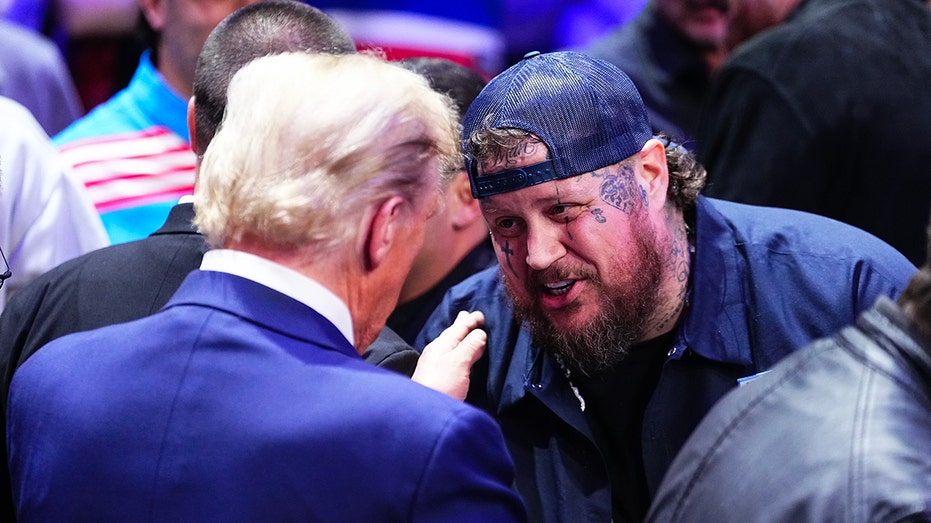
Jelly Roll roasts Donald Trump’s weight during guest hosting on “Jimmy Kimmel Live!”
Country singer Jelly Roll, filling in for Jimmy Kimmel on “Jimmy Kimmel Live!,” makes jokes about Donald Trump’s weight...