


A new study reports that religious rituals can stimulate biological responses linked to reward and well-being. According to coverage of the research, participating in religious or ritualistic practices may prompt the release of opioids in the brain, chemicals associated with pleasure, pain modulation, and stress relief. The articles describe the finding as evidence for a possible mechanism that helps explain why rituals are widely practiced across cultures. The reporting frames the results as parallel to effects commonly associated with drug-related opioid activity, while the study itself focuses on brain chemistry changes observed in relation to ritual participation rather than on medication use. The accounts do not indicate that the research claims religion itself is equivalent to drugs in general, but instead highlight that certain practices may engage similar neurobiological pathways. Overall, the sources present the study as offering insight into how religious rituals may influence the brain and behavior, contributing to their enduring popularity. Further details, such as study design, participant groups, and measurement methods, are not included in the provided summaries.
Study finds religious rituals may trigger opioid release in the brain
A new study reports that religious rituals can stimulate biological responses linked to reward and well-being. According to coverage of the research, participating in religious or ritualistic practice...

- A study reports that religious rituals may trigger release of opioids in the brain.
- Opioids are linked to reward and pain/stress regulation, according to the coverage.
- The findings are presented as a possible biological explanation for why rituals are widely practiced.
- The articles describe the effect as comparable to neurochemical pathways associated with opioid-like responses.
- Coverage focuses on brain chemistry changes tied to ritual participation, not on use of drugs.
Religious rituals are practised all around the world - and experts may now have worked out why they're so popular.
2 months agoReligious rituals are practised all around the world - and experts may now have worked out why they're so popular.
2 months ago
Swale Borough Council orders taxi firm to remove Remembrance poppies from fleet
Swale Borough Council in Kent orders the owner of a local taxi firm to remove Remembrance poppies and “Lest We Forget” s...
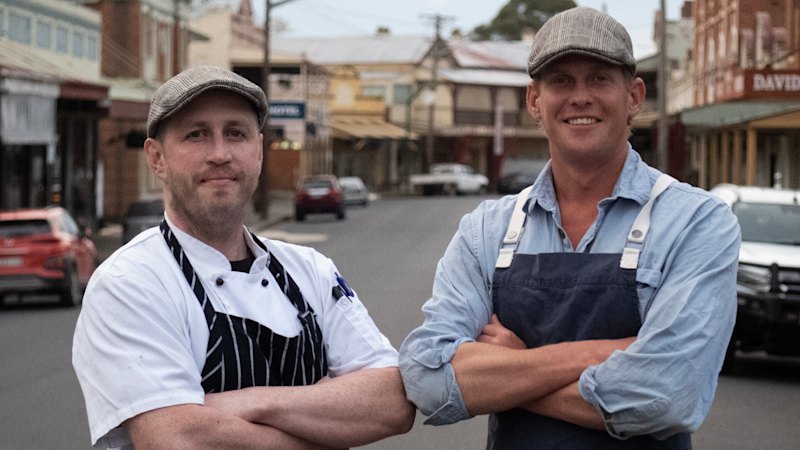
Max Benaud makes a phone call after serious diagnosis disrupts his farming dream
Max Benaud makes a “heartbreaking” phone call to his best mate, saying he is “not ready to die yet,” after receiving a s...

Daniel Hannan criticizes Labour over taxes and argues for a youth-focused approach
Daniel Hannan publishes an opinion piece arguing that Labour’s policies place an unfair burden on older people and that...