


A new report says the risk of severe transboundary haze in Southeast Asia remains high for the rest of 2026, driven by a combination of climate and regional factors. The analysis, carried out by the Singapore Institute of International Affairs, highlights El Niño conditions as one contributor that can worsen haze through drier conditions and increased fire likelihood. The report also points to biofuel demand as a factor that may increase pressures related to land and agricultural burning in the region. In addition, it cites Indonesia’s budget cuts as potentially reducing resources and capacity for haze prevention and mitigation. The report identifies a specific window when conditions are most concerning: August to September. During this period, it describes as the “peak danger” timeframe for transboundary haze affecting countries in the region. Overall, the report frames the rest of 2026 as a period where several interacting drivers could raise the likelihood and severity of haze events crossing borders, prompting attention to preparedness and mitigation efforts ahead of the peak months.
Report warns of high risk of severe transboundary haze for rest of 2026
A new report says the risk of severe transboundary haze in Southeast Asia remains high for the rest of 2026, driven by a combination of climate and regional factors. The analysis, carried out by the S...
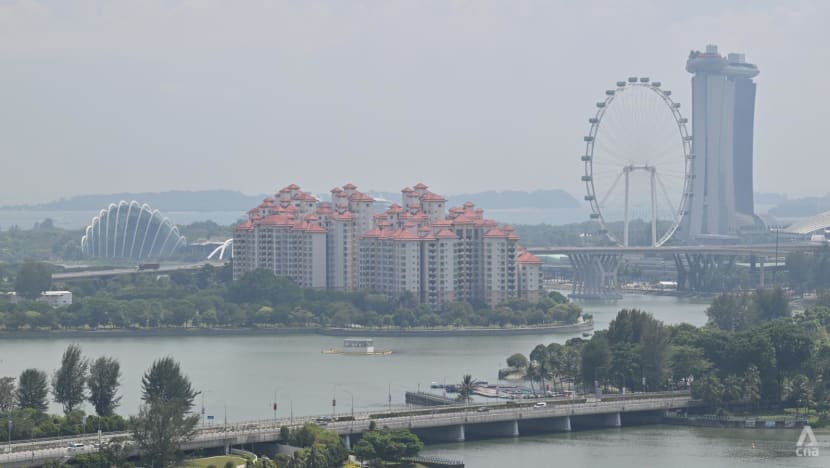
- A report by the Singapore Institute of International Affairs warns of high risk of severe transboundary haze for the rest of 2026.
- El Niño is cited as a factor that can worsen haze through drier conditions.
- The report links biofuel demand to increased drivers connected to haze and related fires.
- Indonesia’s budget cuts are cited as potentially weakening prevention and mitigation efforts.
- August to September is identified as the “peak danger” period for transboundary haze.
The report by the Singapore Institute of International Affairs identified August to September as the "peak danger" period for transboundary haze.
2 months agoThe report by the Singapore Institute of International Affairs identified August to September as the "peak danger" period for transboundary haze.
2 months ago
Ecuador convicts ex-President Lenín Moreno of Sinohydro bribery, sentences him to prison
Ecuador’s court convicts former President Lenín Moreno of corruption related to alleged bribes connected to China’s Sino...

MapQuest refuses to rename Lake Ontario after Trump executive order
MapQuest says it will not change its name for Lake Ontario despite an executive order signed by President Donald Trump o...

Thousands of SIR voter forms found at Navi Mumbai photocopy shop; BJP-Sena (UBT) clash
Police in Navi Mumbai’s Kharghar seize thousands of printed Special Intensive Revision (SIR) voter forms from a photocop...