


China’s Ethnic Unity and Progress Promotion Law, passed in March and set to come into force on July 1, is designed to build a “shared” national identity across the country’s 55 recognized ethnic minority groups, including Tibetans and Uyghurs. The law is framed by Beijing as strengthening cohesion and countering “separatism.” Multiple outlets report that the legislation includes provisions that can extend potential legal liability beyond China’s borders. Rights advocates cited by one outlet say this raises concerns that overseas campaigners or organizations connected to ethnic minority communities—particularly groups that have faced repression or have organized protests in the past—could face new grounds for legal action. Another report notes that some minority groups have, over the years, staged protests, including violent incidents, which China uses to justify tighter measures. The outlets agree that the law’s international reach is the most contentious aspect, with critics warning it could broaden the legal basis for targeting people outside China while China presents it as part of counter-separatist efforts.
China’s new Ethnic Unity law takes effect July 1, including overseas targets
China’s Ethnic Unity and Progress Promotion Law, passed in March and set to come into force on July 1, is designed to build a “shared” national identity across the country’s 55 recognized ethnic minor...
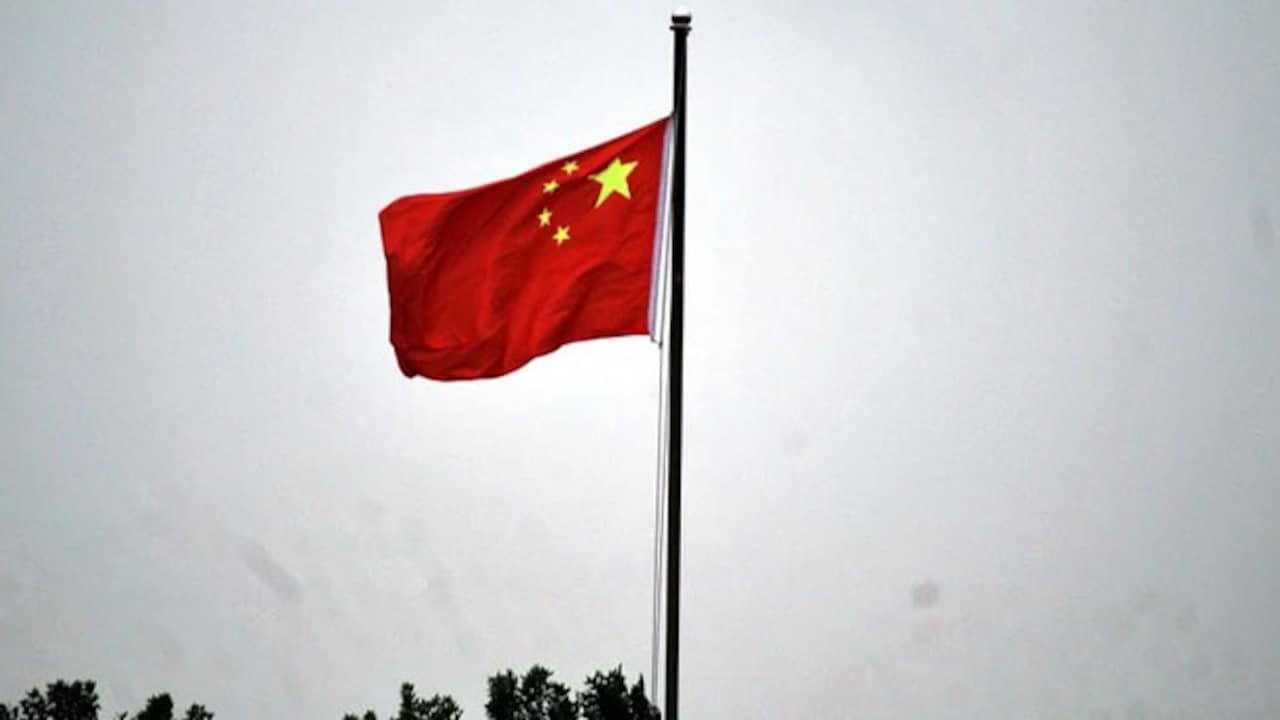
- China passes the Ethnic Unity and Progress Promotion Law in March.
- The law is scheduled to take effect on July 1.
- It aims to promote a “shared” national identity among 55 ethnic minority groups.
- Beijing says it is intended to strengthen unity and counter “separatists.”
- At least one provision extends potential legal liability to people or organizations outside China, drawing criticism from rights advocates.
The Ethnic Unity and Progress Promotion Law, which comes into force on July 1, seeks to strengthen what Beijing describes as a shared national identity among the country's ethnic groups. One provision extends potential legal liability to people and organisations outside China, an aspect that has drawn particular scrutiny. Rights advocates warn that the measure could provide fresh legal grounds for targeting overseas campaigners from communities such as the Uyghurs and Tibetans.
2 months agoChina passed the law in March to create a "shared" national identity among the country's 55 ethnic minority groups, which include Tibetans and Uyghurs, some of whom chafe under Chinese rule and have over the years often staged protests, some of them violent.
2 months ago
Inquest hears British schoolgirl died after boat explosion on Caribbean holiday
A 16-year-old British schoolgirl, Abigail Lainton, dies after a boat explosion during a family holiday in the Caribbean,...

Russia strike west of Kyiv kills 38, as officials report four missing
A Russian strike on a warehouse west of Kyiv is reported to have killed 38 people, with four others still missing, accor...

Sir Chris Hoy shares new health update amid treatment for incurable prostate cancer
Sir Chris Hoy shares a fresh health update following his ongoing battle with incurable prostate cancer. In comments acco...