


Multiple outlets report that Swiss glaciers are melting rapidly during Europe’s current heatwave. Experts cited by RTE, Euronews, The Guardian, Phys.org, CNA, Yahoo News, and Japan Times say the “glacier loss day” threshold—when snow and ice accumulated during the previous winter are expected to be gone—arrives exceptionally early this year. Euronews and The Guardian report that the snow and ice build-up from last winter is expected to have fully melted by Monday, an outcome that normally occurs around mid-August on average. RTE and Phys.org quote the head of Glacier Monitoring in Switzerland (GLAMOS), who describes the anticipated loss as “enormous” or “drastic.” The Independent adds a specific date, saying the Rhone Glacier in southern Switzerland reaches “glacier loss day” on 29 June. Times of India attributes the rapid shrinkage to a prolonged heatwave, warm spring conditions and insufficient winter snowfall, warning that persistent high temperatures accelerate the long-term effects already seen in prior extreme seasons, including 2022.
Swiss glaciers face early “glacier loss day” amid Europe’s extreme heatwave
Multiple outlets report that Swiss glaciers are melting rapidly during Europe’s current heatwave. Experts cited by RTE, Euronews, The Guardian, Phys.org, CNA, Yahoo News, and Japan Times say the “glac...
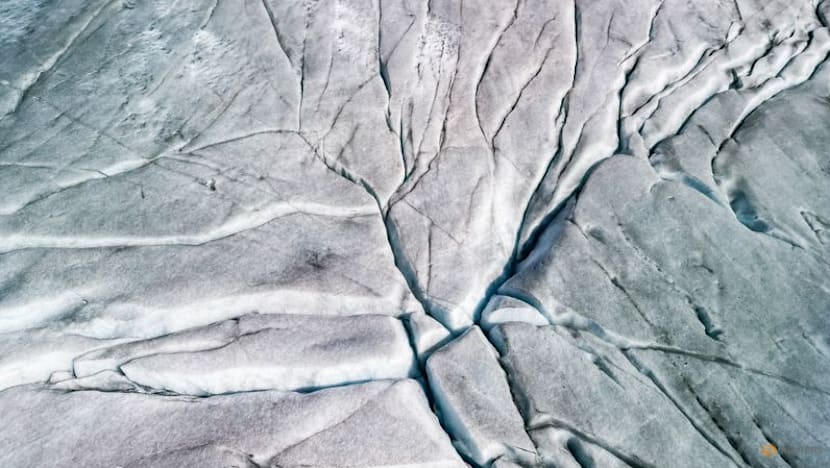
- Swiss glaciers’ winter snow and ice cover is expected to melt completely by Monday, indicating an early “glacier loss day.”
- GLAMOS monitoring officials describe the ice loss as “enormous” or “drastic” during Europe’s heatwave.
- The timing is reported as unusually early compared with the longer-term average, which typically reaches the threshold around mid-August.
- At least one glacier (the Rhone Glacier) reaches “glacier loss day” on 29 June, according to The Independent.
- Several reports link the rapid melting to sustained extreme temperatures and, in some accounts, warm spring weather and reduced winter snowfall.
The Rhone Glacier in southern Switzerland hit its ‘Glacier Loss Day’ on 29 June
1 month agoAll snow and ice accumulated over the past winter is expected to have melted by Monday. Over the past century, this tipping point usually only arrives in mid-August on average.
1 month agoSwiss glaciers are set to lose an enormous amount of ice due to the heat wave battering Europe, the head of Glacier Monitoring in Switzerland (GLAMOS) told AFP.
1 month agoSwiss glaciers are set to lose an enormous amount of ice due to the heatwave battering Europe, the head of Glacier Monitoring in Switzerland has said.
1 month ago
Yayoi Kusama, Polka-Dot Avant-Garde Artist, Dies at 97 in Tokyo
Japanese avant-garde artist Yayoi Kusama dies at 97 in Tokyo, according to announcements cited by multiple outlets. Glob...

UPI completes 10 years with nearly 13,000-fold growth in transaction volume
India’s Unified Payments Interface (UPI) completes 10 years, and the government says its annual transaction volume rises...

21-year-old Delhi model stabbed to death at home; gym trainer Imran accused and on the run
A 21-year-old woman, described as a model and student, is found murdered inside her home in Delhi with multiple stab wou...