


Across three reports, writers argue that rugby league coverage and post-match analysis often focus on obvious turning points such as decisive tries, key tackles or sin-binning, while overlooking the earlier phases that generate pressure. The articles contend that moments on the scoreboard usually follow sequences of less visible events—such as repeated attacking pressure, defensive effort and field-position gains—that wear down an opponent and set up later highlights. The discussion is framed around State of Origin, where the intensity of matches and the speed of momentum shifts are presented as central factors. Rather than treating game-changing incidents as isolated events, the reports describe them as outcomes of sustained pressure and momentum built over multiple plays. The writers also suggest that media narratives can simplify how matches are won, focusing on individual incidents instead of the broader tactical and psychological context. Overall, the pieces emphasise that the “unseen” work before the most memorable moments plays a major role in determining who controls the match.
Nerves, pressure and unseen plays highlighted as key to Origin match swings
Across three reports, writers argue that rugby league coverage and post-match analysis often focus on obvious turning points such as decisive tries, key tackles or sin-binning, while overlooking the e...
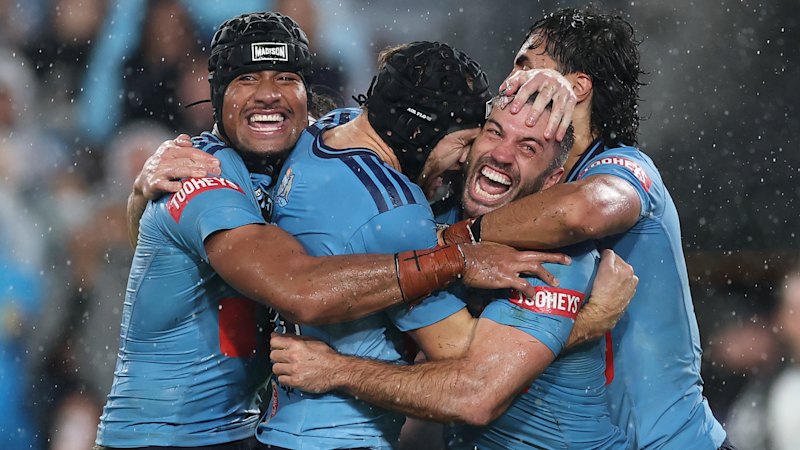
- The articles focus on how State of Origin outcomes are shaped by momentum and sustained pressure.
- They argue that media and participants often overemphasise visible turning points such as tries, tackles and sin-binnings.
- They say earlier, less noticeable sequences help build the conditions for later game-changing incidents.
- The reports present momentum as a key factor in determining which team wins matches in Origin.
- The theme is that pressure is developed over multiple plays, not by single isolated moments.
Players, coaches and media often define games in terms of a crucial try, tackle or sin-binning. But that ignores the unseen plays that build the pressure that causes them.
2 months agoPlayers, coaches and media often define games in terms of a crucial try, tackle or sin-binning. But that ignores the unseen plays that build the pressure that causes them.
2 months agoPlayers, coaches and media often define games in terms of a crucial try, tackle or sin-binning. But that ignores the unseen plays that build the pressure that causes them.
2 months ago
Tinubu orders comprehensive reform of Nigerian football after NFF leadership shake-up
President Bola Tinubu orders a comprehensive reform of Nigerian football, citing repeated failures to qualify for major...

Police raid Minneapolis apartment of Ilhan Omar’s son; roommate arrested on weapons charge
Police in Minneapolis reportedly execute a search warrant at an apartment linked to Rep. Ilhan Omar’s son and seize weap...

Callaway ends partnership with Good Good Golf after controversial driver ad backlash
Callaway Golf ends its partnership with Good Good Golf after a viral advertising controversy that draws widespread criti...