


India’s Goods and Services Tax (GST) marks its 10th year since it was introduced on July 1, 2017. The reform replaces a complex indirect tax structure that previously involved 17 central and state taxes and 13 cesses with a single, unified tax framework. As GST enters its next phase, multiple discussions around the milestone emphasize the move toward technology-driven administration. Sources point to a greater focus on AI-led compliance to improve tax compliance and reduce operational burdens for taxpayers and tax authorities. Alongside compliance, attention is also directed toward administrative improvements such as faster processing and refunds, aiming to make the tax system more responsive for businesses. The overall theme across coverage is that the GST rollout’s focus is shifting from initial implementation to ongoing efficiency gains—simplifying tax processes and strengthening enforcement through data and automation—while maintaining the unified structure established in 2017.
GST turns 10: AI-led compliance and faster refunds are focus areas
India’s Goods and Services Tax (GST) marks its 10th year since it was introduced on July 1, 2017. The reform replaces a complex indirect tax structure that previously involved 17 central and state tax...

- GST is introduced on July 1, 2017, replacing India’s earlier indirect tax setup.
- The previous system included 17 central and state taxes and 13 cesses.
- GST replaces these with a unified indirect tax framework.
- Coverage around the 10th anniversary focuses on AI-led compliance.
- Discussions also highlight faster refunds and simpler tax processes.
Introduced on July 1, 2017, GST replaced a complex system of 17 central and state taxes and 13 cesses with a unified indirect tax framework.
2 months ago
Met Office warns of heavy rain and thunderstorms across multiple UK counties
The Met Office issues weather warnings for several parts of the UK, with forecasts across multiple days pointing to heav...
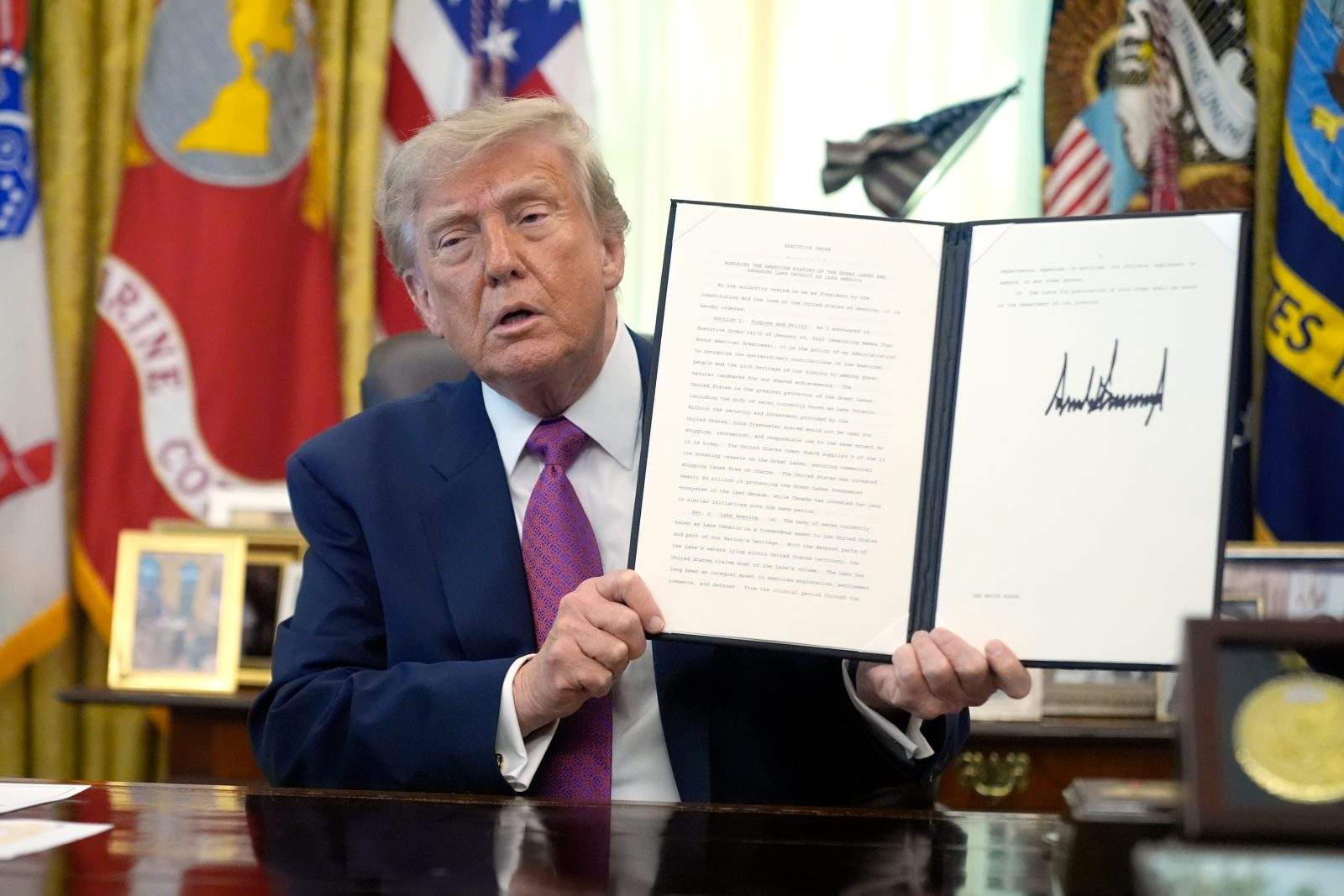
Indigenous leaders condemn Trump executive order renaming Lake Ontario to Lake America
U.S. President Donald Trump signs an executive order to change the name of Lake Ontario to “Lake America,” prompting con...

Tennessee officials consider renaming Nashville International Airport for Dolly Parton
Nashville International Airport is the subject of a proposed name change to honor country music star Dolly Parton, follo...