


Delhi’s extreme summer heat is often reported in terms of both actual temperature and how hot it “feels,” with several explanations centering on how humidity affects human perception. Outlets note that the temperature people experience can be higher than the number shown by standard readings because the “feels like” metric incorporates the wet-bulb temperature, a measure influenced by moisture in the air. Wet-bulb temperature reflects how effectively the body can cool itself through evaporation of sweat: when humidity is high, sweat evaporates less efficiently, reducing cooling and making conditions feel more oppressive. This is why Delhi may be described as reaching or approaching figures around 51°C in some reports, while the lived experience can appear even worse. The distinction between dry-bulb (regular air temperature) and wet-bulb (humidity-influenced) measurements helps explain why heat advisories and forecasts can look inconsistent, even when they refer to the same weather event. The reporting emphasizes that understanding the wet-bulb component is key to interpreting “feels like” heat in humid conditions.
Delhi heat feels higher due to wet-bulb temperature measure
Delhi’s extreme summer heat is often reported in terms of both actual temperature and how hot it “feels,” with several explanations centering on how humidity affects human perception. Outlets note tha...

- Delhi’s “feels like” heat can be higher than the standard air temperature reading.
- Humidity plays a major role in increasing perceived heat.
- The wet-bulb temperature measure is used to explain the difference between measured and perceived heat.
- Wet-bulb temperature relates to how efficiently sweat can evaporate and cool the body.
- Reports referencing very high Celsius figures may need context about wet-bulb versus dry-bulb measurement.
The reason it feels much hotter is because of a weather measurement called the wet-bulb temperature.
2 months agoThe reason it feels much hotter is because of a weather measurement called the wet-bulb temperature.
2 months ago
Liquefied petroleum gas tanker pays record fare for priority Panama Canal transit
A liquefied petroleum gas (LPG) tanker pays a record transit fee for priority passage through the Panama Canal, accordin...
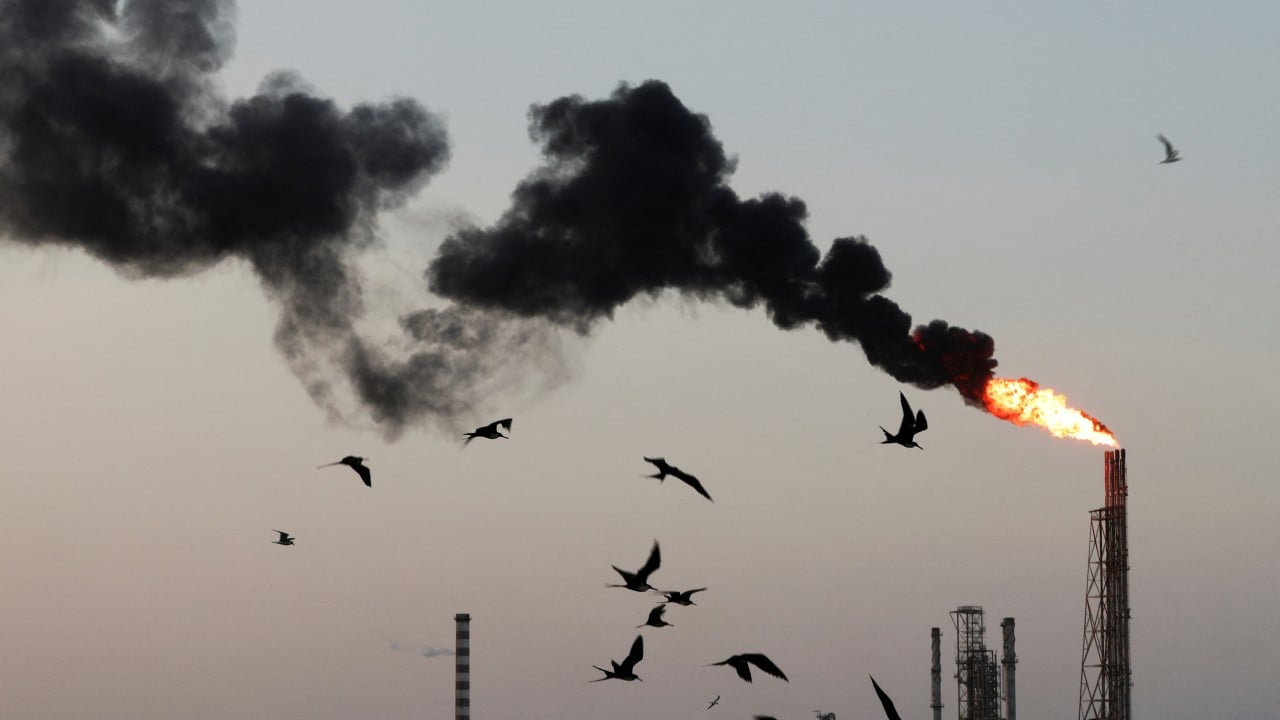
Trump announces U.S. agreement for majority control of Venezuela’s 65 billion barrels of oil reserves
President Donald Trump says the United States has entered an agreement with Venezuela that would give the U.S. majority...

Two police officers named after fatal A66 crash near Middlesbrough
Two police officers, PCs Matthew Blades, 37, and Tom Clough, 38, are killed in a crash on the A66 near Middlesbrough. Th...