


Multiple outlets report that Australia’s extensive underwater seaweed forests are being harmed by rising ocean temperatures. The Great Southern Reef, described as a system largely built by seaweed rather than coral, supports seaweed habitats across rocky reefs spanning more than 8,000 kilometers around southern Australia. The Conversation and Phys.org both frame the problem as a consequence of marine heat and ocean warming, which can reduce the health and persistence of these “underwater forests.” The Conversation adds that researchers are looking for an “insurance policy” to help protect the ecosystem as losses continue, proposing the use of seaweed biobanks. Under that approach, seaweed genetic material could be stored to support future restoration efforts or recovery, even if local populations decline under continued heat stress. While the articles emphasize that seaweed forests are disappearing as seas get hotter, they also highlight potential conservation and adaptation steps. Together, the reports connect observed warming-driven decline with an emerging strategy aimed at preserving biological resources for later replanting or breeding programs.
Warming oceans damage Australia’s seaweed forests; researchers propose seaweed biobanks
Multiple outlets report that Australia’s extensive underwater seaweed forests are being harmed by rising ocean temperatures. The Great Southern Reef, described as a system largely built by seaweed rat...

- Australia’s Great Southern Reef includes extensive seaweed forests on rocky reefs.
- Seaweed forests stretch more than 8,000 kilometers around southern Australia.
- Rising ocean temperatures contribute to the disappearance or degradation of seaweed forests.
- Researchers propose seaweed biobanks as a way to preserve genetic material for future restoration.
- Both sources describe the need for protective measures as heat impacts continue.
Australia's Great Southern Reef is built not by coral but by seaweed. The seaweed forests on these rocky reefs stretch more than 8,000 kilometers (5,000 miles) around southern Australia.
1 month agoMany of Australia’s shimmering seaweed forests are disappearing as the oceans get hotter. It’s time for an insurance policy.
1 month ago
Darline Graham enters South Carolina Senate special primary with Trump backing
Darline Graham, the sister of the late Sen. Lindsey Graham, makes her first major campaign appearance in a South Carolin...
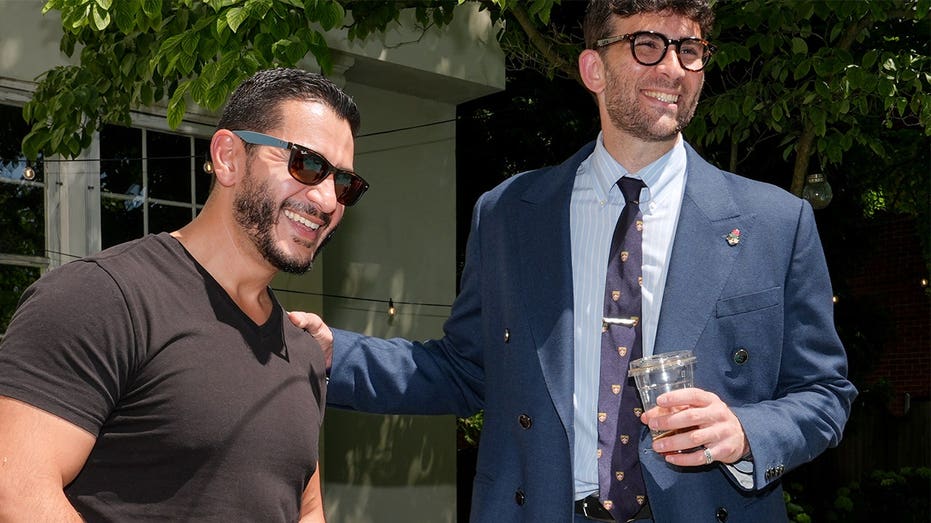
Abdul El-Sayed distances his campaign from Hasan Piker amid backlash over remarks about Jewish Americans
Abdul El-Sayed, a Michigan Senate Democratic hopeful, is publicly distancing his campaign from progressive Twitch stream...

Trump rallies for Darline Graham in South Carolina GOP Senate runoff vs. Ralph Norman
President Donald Trump makes a last-minute push for Sen. Darline Graham in a South Carolina Republican Senate runoff, af...