Toronto Sun
Ontario boy died from rabies after a bat sat on his face while he was sleeping
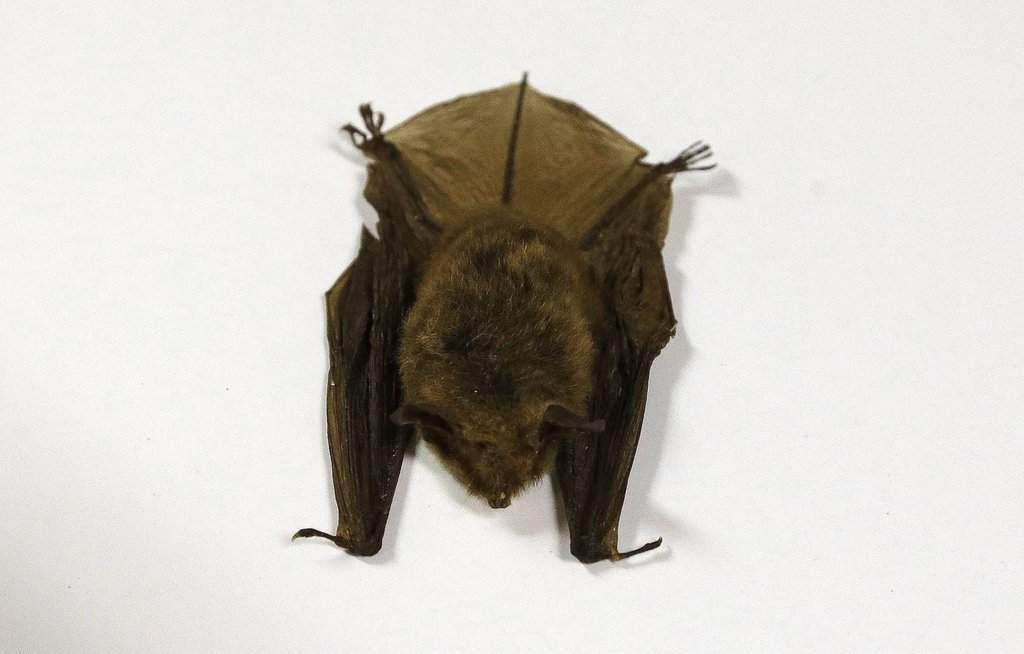
See more Toronto Sun on Google — save as a Preferred Source A young boy in Ontario died weeks after contracting rabies after a bat sat on his face while he was asleep. In a recent Canadian Medical Association report, titled Fatal Rabies in a Child, rabies is “exceedingly rare in Canada, with only 28 cases reported since 1924. This patient was the first case of locally acquired rabies reported in Ontario since 1967,” the report stated. If not treated early after an incident, rabies has a fatality rate of almost 100%, although 34 survivors have been documented, with most experiencing severe neurologic sequelae. Neurologic sequelae are the long-term after-effects or complications that affect the nervous system (brain, spinal cord, and nerves) as a consequence of a previous disease, injury, or medical treatment. In North America, bats, skunks, raccoons, and foxes are the primary carriers, with bat exposures accounting for most human cases. Gap in public awareness Bats pose a higher risk of possible exposure because bites or scratches may be small and easily overlooked. Patients may not recollect or recognize exposure. “Any direct human contact with a bat, even in the absence of a visible bite or scratch, is an indication for PEP and should be discussed with public health authorities,” the doctors write in the report. PEP is short for post-exposure prophylaxis and refers to a combination of antibodies and a vaccine given to the patient.” The report notes that if the bat or other animal is available for rabies testing, results can be obtained within 48 hours. This particular incident occurred in northern Ontario in 2024. The 11-year-old had been woken by a bat on his nose and mouth. After he swatted the bat off his face, his father caught the bat and released it outside. The parents did not seek immediate medical attention because there were no visible signs of bites in the facial area. “This highlights an important gap in public awareness,” the report, dated June 29, said. “Although rabid bats may show unusual behaviour — such as appearing during the daytime, resting on the ground or someone’s face, having difficulty flying, or being easily approached — the absence of these behaviours does not exclude rabies.” More than two weeks after the incident, the boy developed a tingling sensation, numbness and swelling on the right side of his face. He was taken to a clinic and prescribed an antiviral drug. A few days later, he was admitted to a hospital. His condition continued to decline, with symptoms including facial weakness, slurred speech, fever, trouble swallowing, confusion and visual hallucinations “By his fifth day in hospital, he had no reflexes in his brain stem — the part of the brain that regulates breathing, heart rate and other essential bodily functions,” the report said. By this time, the doctors had diagnosed rabies, and a subsequent follow-up test by the Canadian Food Inspection Agency confirmed a bat rabies virus variant. However, it was too late at this point as “no proven effective therapy exists after symptom onset.” On day 17 of the boy’s admission to the hospital, he died “peacefully with his family at his bedside.” Know the facts before you head out this summer “This case illustrates several critical points about rabies. Rabies is almost always fatal, with no established efficacious therapies, making prevention crucial. Rabies PEP is highly effective if administered promptly, in consultation with public health authorities, after any direct human contact with a bat, even in the absence of visible lesions, “Bats may or may not show classic signs of rabies, but any direct human contact with bat is considered high risk. Clinicians should ask patients with progressive neurologic symptoms compatible with rabies about exposure to potentially rabid animals.” According to the Ontario Nature website, there are eight species of bats in Ontario. They are: the hoary bat, the eastern red bat, the silver-haired bat, the big brown bat, the tricolored bat, the little brown myotis bat, the northern long-eared myotis and the eastern small-footed myotis. Health Canada provides a variety of information online about rabies and its treatments. ganderson@postmedia.com
1 month ago