


Climate-related disasters—including floods, droughts, heat waves and storms—are becoming more frequent and more intense across sub-Saharan Africa, according to reporting based on academic commentary. The sources say these events are not isolated environmental incidents; they increasingly affect daily economic conditions such as livelihoods and income stability. As impacts accumulate, they can also influence inequality and public trust in government institutions. The coverage links those shifts in social and economic conditions to how people view their relationship with the state, including attitudes toward paying taxes. In this framing, climate shocks may change perceptions of whether government can provide support and whether citizens see a clear connection between taxation and public services. Overall, the articles describe a broader chain from environmental disruption to social outcomes—such as trust and perceived fairness—that can then shape tax-related attitudes.
Climate shocks across sub-Saharan Africa influence public views on paying taxes
Climate-related disasters—including floods, droughts, heat waves and storms—are becoming more frequent and more intense across sub-Saharan Africa, according to reporting based on academic commentary....

- Floods, droughts, heat waves and storms occur more frequently and intensely in sub-Saharan Africa.
- Climate shocks increasingly affect livelihoods and economic stability.
- The events can widen inequality and alter public trust in government.
- Climate impacts influence how citizens relate to the state, including attitudes toward taxation.
- The discussion focuses on climate impacts as drivers of social and political perceptions rather than only environmental change.
Climate-related disasters are becoming more frequent and more intense across sub-Saharan Africa. Floods, droughts, heat waves and storms are no longer isolated environmental events. They increasingly shape livelihoods, inequality, public trust, and the relationship between citizens and the state.
1 month ago[The Conversation Africa] Climate-related disasters are becoming more frequent and more intense across sub-Saharan Africa. Floods, droughts, heatwaves and storms are no longer isolated environmental events. They increasingly shape livelihoods, inequality, public trust and the relationship between citizens and the state.
1 month ago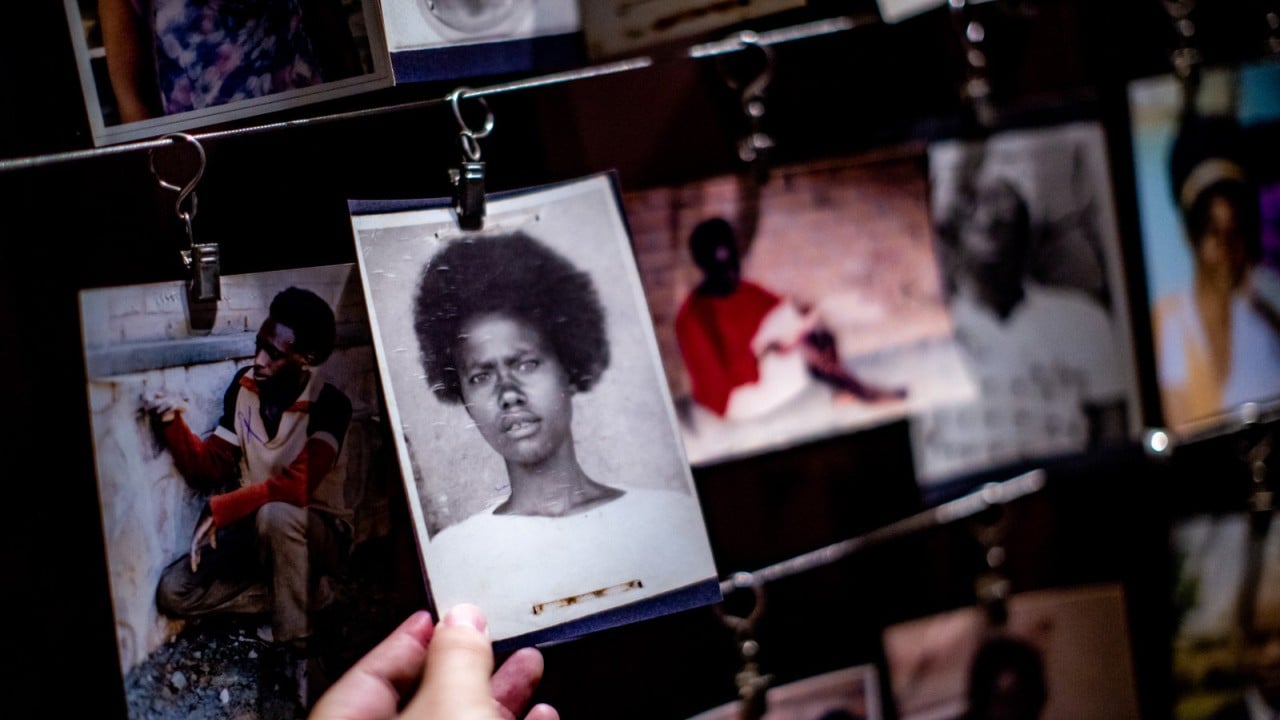
Dutch court convicts Rwandan man and sentences him to life for 1994 genocide role
A Dutch court convicts a Rwandan man of involvement in the 1994 genocide in Rwanda and sentences him to life imprisonmen...

Aces rule NaLyssa Smith out for the remainder of the season after non-contact leg injury
The Las Vegas Aces rule NaLyssa Smith out for the remainder of the 2026 season after she suffers a non-contact left leg...

Frederik Andersen set to miss Oilers training camp with injury
The Edmonton Oilers say newly signed goaltender Frederik Andersen is expected to miss training camp after sustaining an...