


The U.S. Supreme Court overturns a nearly 90-year-old ruling that had limited the president’s ability to remove certain officials serving in independent agencies. According to reports, the Court’s decision expands presidential firing power by rejecting the earlier framework that permitted Congress to protect some agency members from being removed at the president’s discretion. The case centers on whether Congress can restrict the president’s removal authority for officials within the federal government’s independent agencies. By reversing the longstanding precedent, the Court changes how removal protections are evaluated under the Constitution, affecting the balance of power between Congress and the executive branch in structuring agency oversight and leadership. The ruling applies to the specific category of officials covered by the earlier decision, and it signals a shift toward broader presidential control over removal in this context. The decision is framed as a constitutional clarification rather than a policy choice, with the practical impact depending on how agency removal provisions are written in statutes. The Supreme Court’s action therefore alters the legal landscape governing who can be removed and under what conditions.
U.S. Supreme Court expands presidential authority to fire certain agency officials
The U.S. Supreme Court overturns a nearly 90-year-old ruling that had limited the president’s ability to remove certain officials serving in independent agencies. According to reports, the Court’s dec...

- The Supreme Court overturns a 90-year-old decision governing removal of certain officials at independent agencies.
- The ruling expands presidential authority to fire those officials.
- The earlier precedent had allowed Congress to limit or shield some independent-agency members from being removed at will.
- The decision changes the constitutional framework used to evaluate congressional restrictions on removal power.
- The Supreme Court’s ruling affects officials covered by the overturned precedent and related statutes.
The Supreme Court overturned a 90-year-old decision that allowed Congress to shield members of certain independent agencies from being fired by the president at will.
1 month ago
Adelabu withdraws from Oyo APC 2027 dispute and urges party reconciliation
Former Minister of Power Adebayo Adelabu withdraws from the legal and internal dispute tied to the All Progressives Cong...

Praggnanandhaa beats Fabiano Caruana to become first Indian Grand Chess Tour champion
Indian grandmaster R Praggnanandhaa wins the Grand Chess Tour Finals in St. Louis, defeating Fabiano Caruana 15-13 in th...
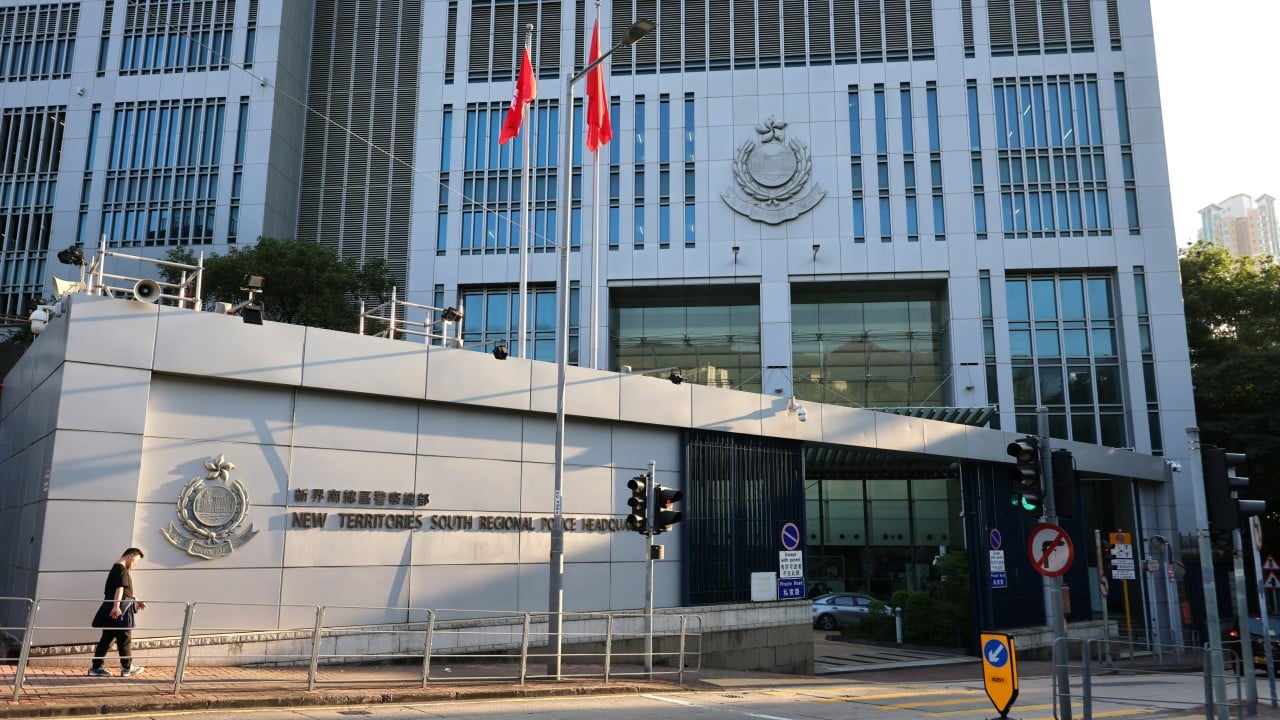
Hong Kong police officer charged over alleged indecent messages to suspect’s friend
A Hong Kong police officer is arrested and charged after allegedly sending indecent messages and explicit images to a wo...