


The U.S. Supreme Court rules that law enforcement must obtain a warrant before conducting broad searches that use cell phone location data to identify people’s whereabouts. In its decision issued Monday, the Court applies constitutional privacy and search-and-seizure principles to a technology-driven investigative method that relies on records of cell phone users’ location history. The ruling limits investigative practices that allow authorities to collect or review large swaths of location information to determine who was near a crime scene. Under the Court’s reasoning, location data sweeps that go beyond targeted, individual suspicion require judicial authorization through a warrant. The decision addresses how warrants should apply when agencies use historical location information to connect individuals to specific locations or events. The Court’s holding narrows the circumstances in which such data can be gathered without prior review by a judge, emphasizing that the scope of the data collection matters for constitutional protections. The ruling is expected to affect how police departments and other agencies plan and conduct investigations that use cell phone location records.
Supreme Court rules warrants required for broad cell phone location data sweeps
The U.S. Supreme Court rules that law enforcement must obtain a warrant before conducting broad searches that use cell phone location data to identify people’s whereabouts. In its decision issued Mond...
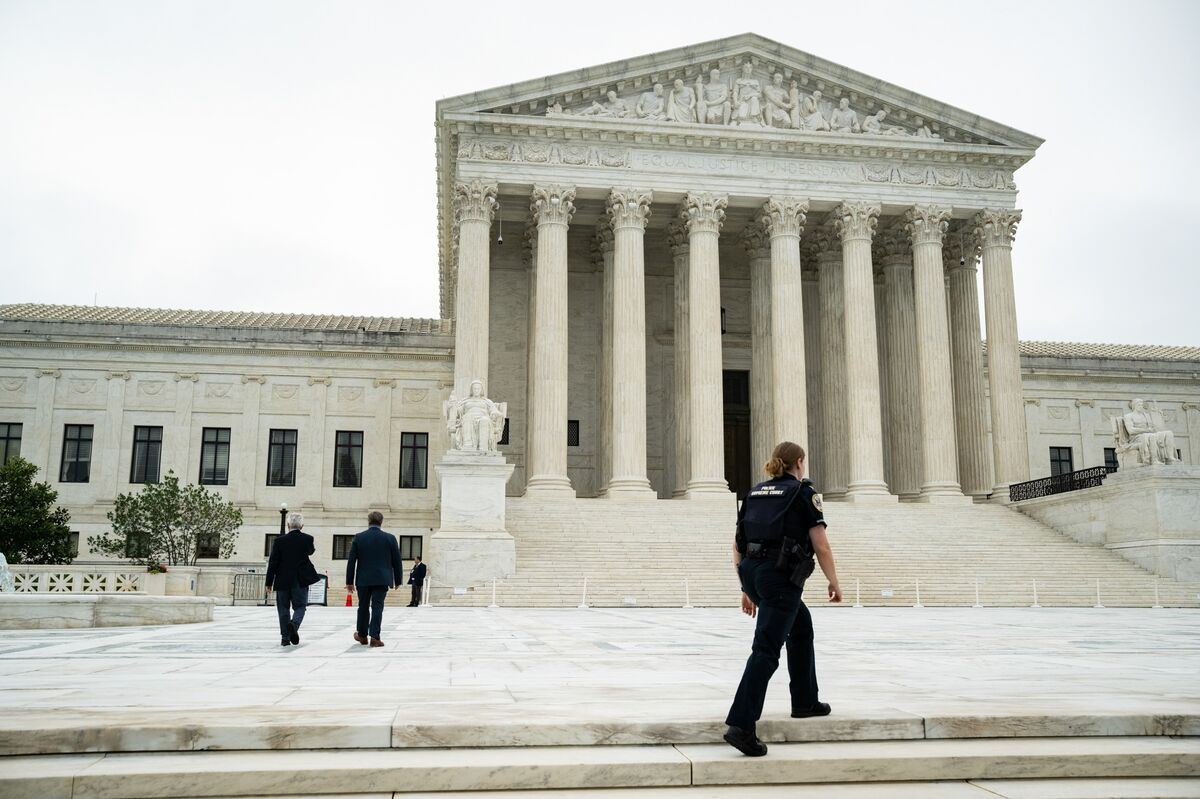
- The Supreme Court rules that broad cell phone location data sweeps require a warrant.
- The decision addresses law enforcement use of historical cell phone location information to identify people near crime scenes.
- The Court applies constitutional protections to the use of new location-data technology.
- The ruling limits investigative techniques that rely on sweeping access to location history without prior judicial authorization.
- The Court’s holding focuses on the breadth of the data collection and the need for a warrant before conducting it.
In a ruling applying individual constitutional protections to new technology, the Supreme Court on Monday ruled that sweeping use of cell phone location data requires a warrant.
1 month agoThe Supreme Court placed limits on a law enforcement investigative technique that leverages data on cell phone users’ location history to identify people near a crime scene.
1 month ago
Petition to Rename Nashville International Airport for Dolly Parton Gains Support
A Change.org petition calling to rename Nashville International Airport after country singer Dolly Parton is gaining mom...

Ottawa police investigate unknown pills found scattered in Orléans parks
Ottawa police investigate multiple incidents in which more than 100 “suspicious” pills are found scattered across parks...

Polymarket offers NYPMAX promo code with deposit-to-bonus boosts
Multiple promotional posts describe Polymarket signup offers using the promo code “NYPMAX” (and one variant “NYPMAX1”)....