


Doctors initially suspect metastatic brain cancer in a 60-year-old man after brain scans show lesions that appear consistent with malignancy. Multiple reports say the diagnostic findings instead point to neurocysticercosis, a condition caused by the infection of the brain with the larval form of the pork tapeworm (Taenia solium). The case highlights that imaging results can be misleading: lesions caused by the parasite can resemble tumors on scans, leading clinicians to consider cancer before confirming the underlying cause. Once medical teams identify the cause as tapeworm larvae, the focus shifts to treating the parasitic infection rather than cancer. The reports emphasize the importance of accurate diagnosis to guide appropriate therapy, given that management strategies for brain tumors and neurocysticercosis differ substantially. The account is presented as a diagnostic learning case in which live tapeworms in the brain are ultimately identified instead of cancer.
Doctors suspect brain cancer but diagnose neurocysticercosis from live pork tapeworm larvae
Doctors initially suspect metastatic brain cancer in a 60-year-old man after brain scans show lesions that appear consistent with malignancy. Multiple reports say the diagnostic findings instead point...
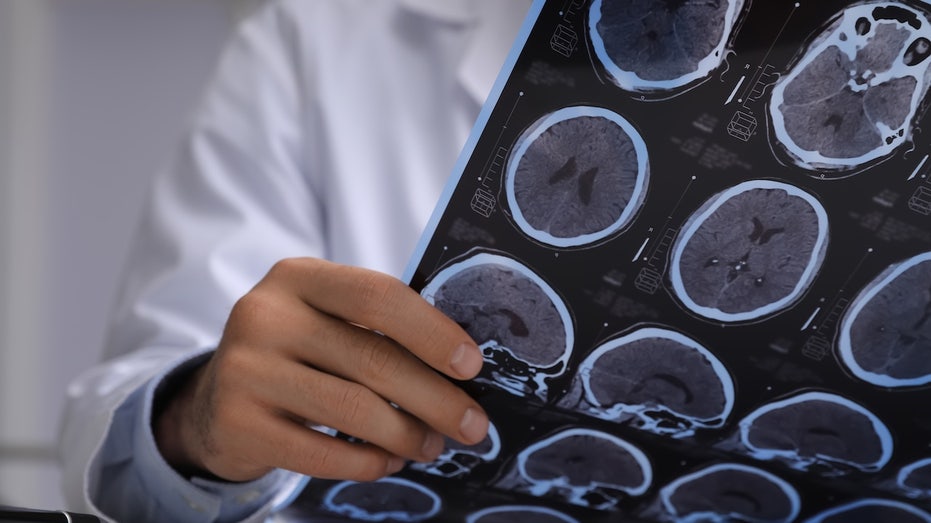
- A 60-year-old man is evaluated after brain scans suggest lesions consistent with possible metastatic cancer.
- Doctors ultimately diagnose neurocysticercosis caused by pork tapeworm (Taenia solium) larvae in the brain.
- Initial imaging findings lead clinicians to suspect brain cancer before the parasite is identified.
- The reports describe live tapeworm larvae as the confirmed cause of the brain lesions.
- Once the diagnosis is established, treatment focus shifts from cancer management to treating the parasitic infection.
Doctors suspected metastatic brain cancer in a 60-year-old man, but scans revealed pork tapeworm larvae causing neurocysticercosis.
1 month ago
Swale Borough Council orders taxi firm to remove Remembrance poppies from fleet
Swale Borough Council in Kent orders the owner of a local taxi firm to remove Remembrance poppies and “Lest We Forget” s...

Max Benaud makes a phone call after serious diagnosis disrupts his farming dream
Max Benaud makes a “heartbreaking” phone call to his best mate, saying he is “not ready to die yet,” after receiving a s...

Daniel Hannan criticizes Labour over taxes and argues for a youth-focused approach
Daniel Hannan publishes an opinion piece arguing that Labour’s policies place an unfair burden on older people and that...