


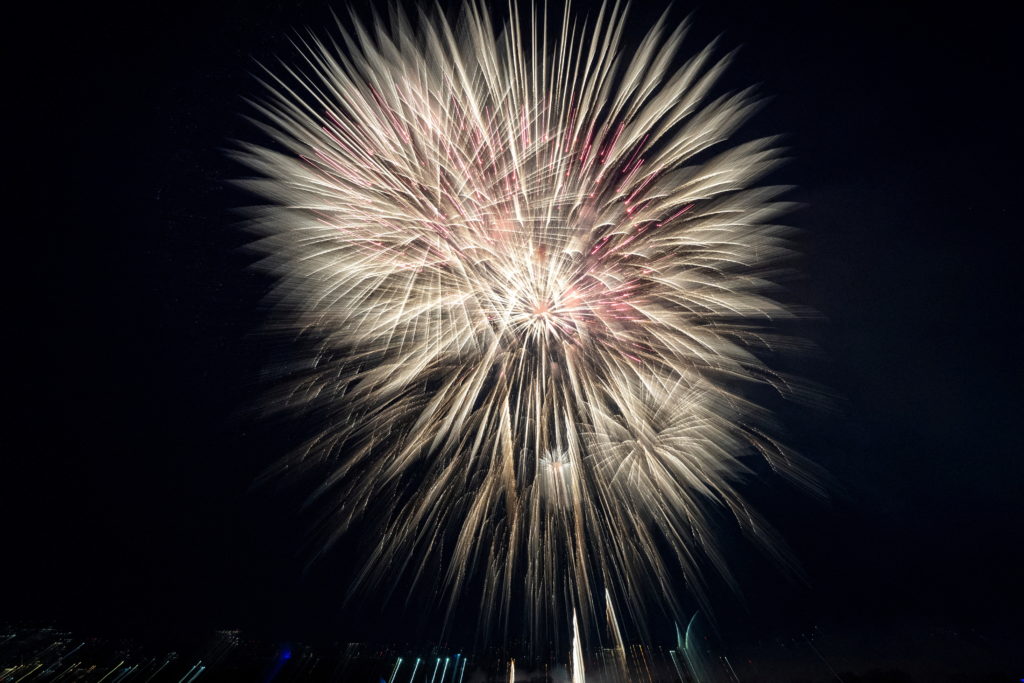
As the U.S. marks the Fourth of July, multiple outlets report that fireworks can significantly increase wildfire risk, especially when drought and extreme heat leave vegetation dry. PBS and The Conversation note that human-caused fires typically rise around July 4, with fireworks cited as a major contributor. PBS reports that about 32,000 human-caused fires were recorded in 2023, and both sources describe a recurring spike on July 4 each year. The Conversation adds that the risk escalates further when trees, grasses, and other fuels are dry and temperatures are high, creating easier ignition and faster spread.
Other coverage highlights that current wildfire conditions in parts of the western United States are driving restrictions. The New York Post and The Independent, along with The Oregonian, say cities and states impose fireworks bans and burn restrictions as wildfires continue to affect the West. Phys.org also frames the upcoming holiday, including large planned fireworks displays, as occurring during a period of heightened fire danger due to heat and drought. Across reports, the common message is that fireworks-related ignition combined with dry conditions increases the likelihood of wildfire outbreaks during the holiday period.


