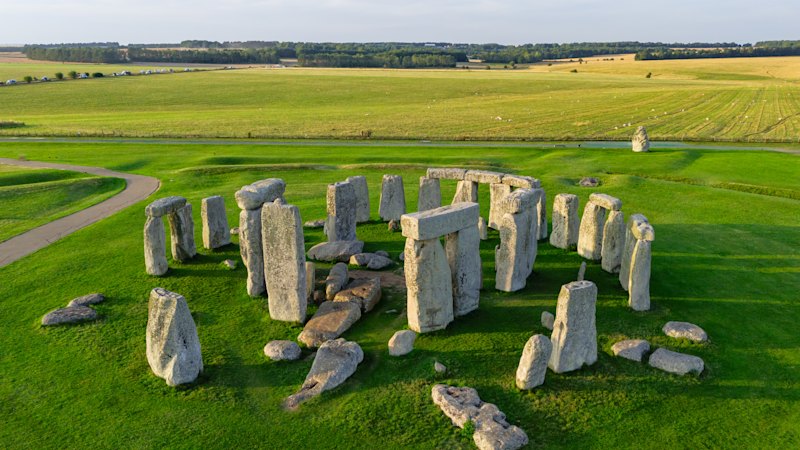
Articles from multiple outlets argue that some travellers overestimate what World Heritage listings mean in practice. The reporting says many tourists assume that a site’s World Heritage status guarantees it will be impressive, exciting or visually spectacular. However, the sources contend that the UNESCO World Heritage list includes a wide range of places, including sites that are less immediately engaging to casual visitors. They note that some listings reflect cultural or historical significance, industrial or agricultural heritage, or locations best understood through context rather than scenery.
Across the coverage, the central message is that World Heritage status does not automatically align with personal expectations about “ultimate” travel experiences. Instead, the articles suggest travellers should research what each site represents, how visitors are expected to view it, and what the on-the-ground experience looks like before planning trips.
The articles do not dispute that World Heritage recognition is intended to identify sites of outstanding value, but they highlight that visitor satisfaction varies and that “spectacular” is not a uniform feature of every listed location. The stories encourage more informed expectations when selecting destinations.