


Three outlets publish a travel piece describing a contrast between crowded and less-visited areas in Peru. While Peru’s well-known ruins are described as drawing increasing numbers of tourists, the article narrative shifts to quieter surroundings “on the volcanic edge of the Andes,” where the writer says the ancient landscape feels less affected by the volume of visitors. The piece presents the experience as an opportunity to see aspects of Peru’s ancient world with fewer people present, emphasizing the remoteness and atmosphere of the volcanic highlands rather than a specific named site. Across the sources, the theme is that tourism pressure is more evident in the country’s most famous archaeological destinations, while other areas offer more solitude and a different perspective on Peru’s heritage. The write-up does not provide detailed logistics or new reporting beyond the travel perspective, and it frames the “secret” as a personal sense of discovery in a less crowded part of the Andes rather than a newly revealed archaeological find. All three versions share the same wording in the provided text excerpts and align on the core message about crowding versus quiet travel experiences.
Travel writers highlight quieter regions of Peru’s Andes amid heavy tourism
Three outlets publish a travel piece describing a contrast between crowded and less-visited areas in Peru. While Peru’s well-known ruins are described as drawing increasing numbers of tourists, the ar...
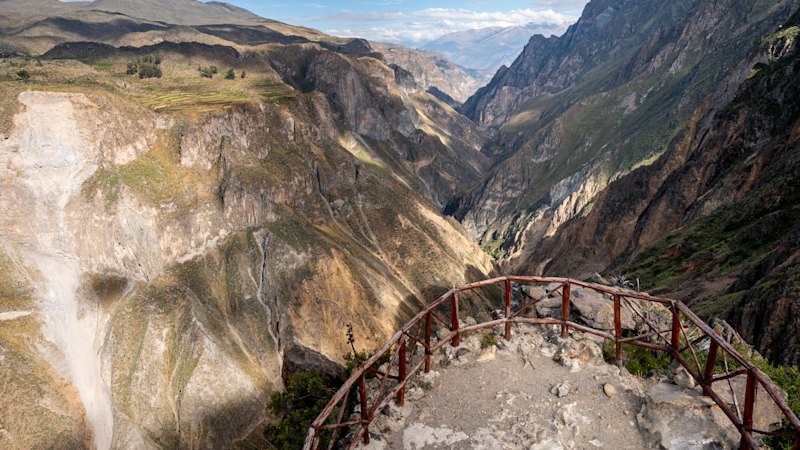
- The articles discuss Peru’s tourism pressure, saying the country’s famed ruins draw large numbers of visitors.
- They describe a less-crowded experience in the Andes, specifically on a volcanic edge region.
- The overall theme is that some parts of Peru still feel private or less visited despite overall popularity.
- The pieces are presented as travel narratives rather than new investigative reporting.
Peru’s famed ruins may be drowning in their own popularity, but out here on the volcanic edge of the Andes, the ancient world still knows how to keep a secret.
1 month agoPeru’s famed ruins may be drowning in their own popularity, but out here on the volcanic edge of the Andes, the ancient world still knows how to keep a secret.
1 month agoPeru’s famed ruins may be drowning in their own popularity, but out here on the volcanic edge of the Andes, the ancient world still knows how to keep a secret.
1 month ago
Bengals vs. Eagles Preseason Finale: TV Channel, Start Time, and Streaming Details
The Cincinnati Bengals play the Philadelphia Eagles in a nationally televised NFL preseason game on Friday, Aug. 28. The...

Two thieves steal 200-carat diamond necklace from Vienna museum
Two men steal a diamond necklace worth about $4.6 million from Vienna’s Museum of Applied Arts (MAK). Multiple outlets r...

Amazon Prime Video accidentally streams Jason Statham’s ‘Mutiny’ ahead of theater release
Amazon Prime Video mistakenly makes the full action film “Mutiny” available for streaming in the United States before it...