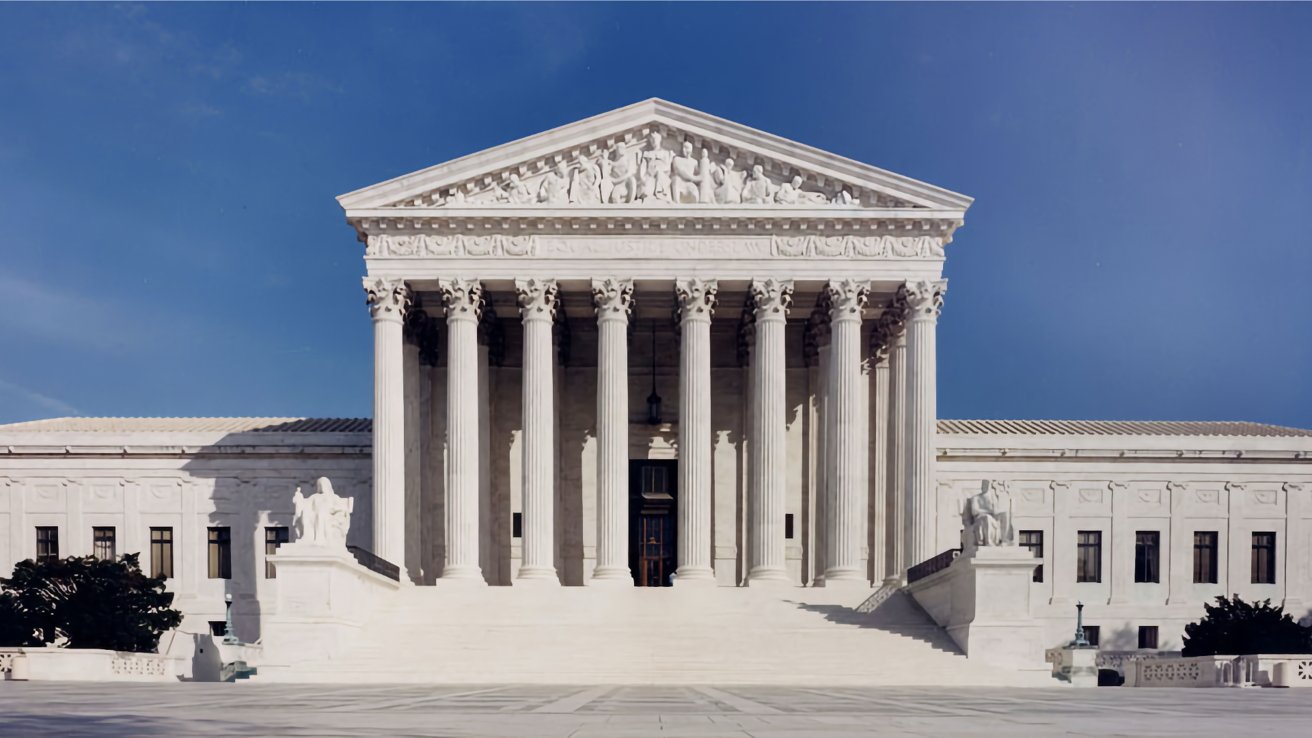
The U.S. Supreme Court rules that law enforcement generally needs probable cause to use “geofence warrants” that rely on large-scale location data from mobile devices and tech platforms. In the case, police sought location information by directing companies such as Apple and Google to identify people whose phones were detected within a defined geographic area during a relevant time period. The Court holds that this approach functions as a “search” under the Fourth Amendment, meaning it must satisfy constitutional requirements rather than operating like a broad dragnet.
Both outlets describe the decision as a restriction on subpoenas and warrants that authorize access to expansive sets of personal location records. The ruling emphasizes that including many individuals who are not suspects—because the queried area captures a wide population—triggers Fourth Amendment protections. As a result, the Court limits the circumstances under which automated, location-based methods can be used to identify individuals near crime scenes, requiring probable cause before police can obtain such sweeping data from third-party technology companies.