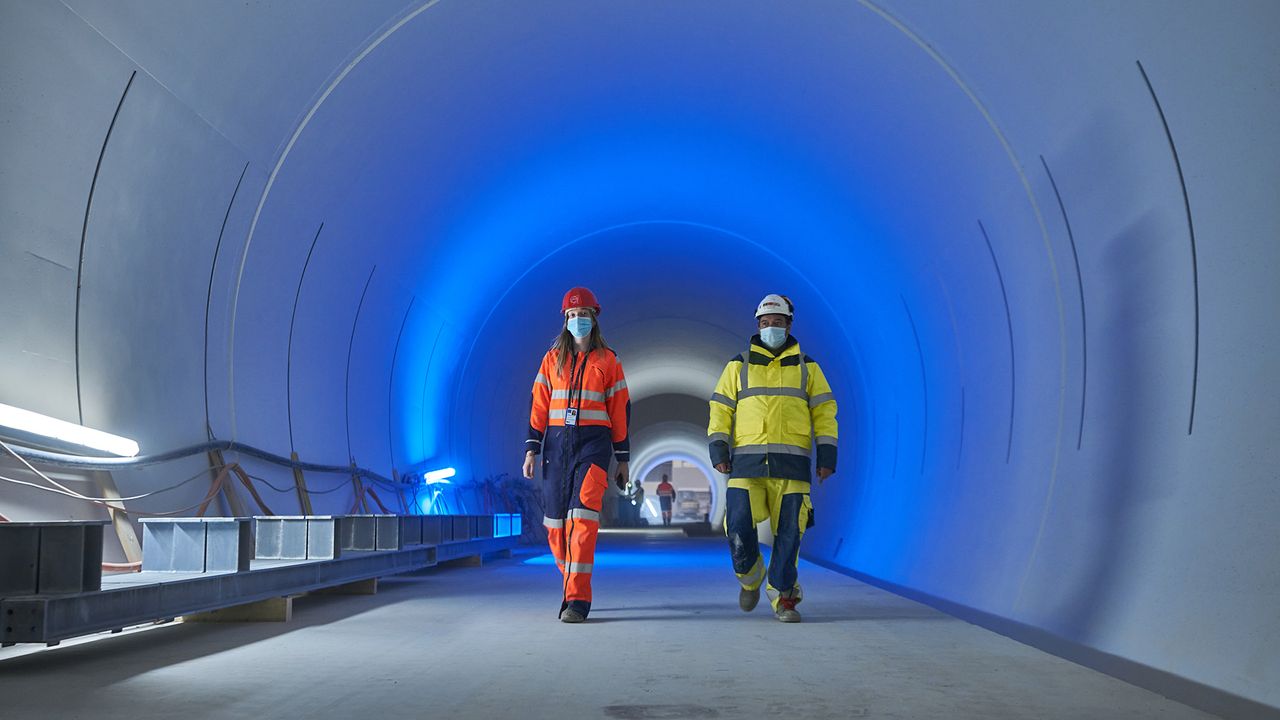
CERN is shutting down the Large Hadron Collider (LHC) for a planned multi-year upgrade, according to multiple outlets. The collider is switched off as the organization prepares to move toward its next major operating phase, often referred to as the High-Luminosity LHC (HL-LHC). The reported timeline indicates the LHC will remain offline for several years, with one account describing a roughly four-year shutdown, while another states the upgraded collider is due to begin operation in 2030.
Sources also describe the upgrade’s goal as increasing the collider’s sensitivity and overall capability. One report characterizes the changes as making the LHC about 10 times more sensitive than its earlier version. Another describes the shutdown as part of CERN’s transition to a more powerful, high-luminosity configuration.
Overall, the coverage agrees that CERN is conducting a scheduled shutdown to support major improvements, with the HL-LHC expected to deliver higher performance when operations resume.