


Indonesia is moving ahead with the rollout of a new palm-diesel biofuel blend, a policy that is expected to increase pressure on domestic biofuel producers and tighten global palm-oil availability. Both outlets describe the blend as “pioneering” and note that supplying it requires redirecting palm oil toward the biofuel programme rather than traditional export channels. As a result, producers involved in making the fuel face higher strain to meet demand, with the rollout likely testing production capacity and input availability. The change also has wider market implications because reduced exports can affect international supply conditions for tropical oils, potentially altering pricing and availability in global markets. While the articles focus on the strain created by the transition, they also frame it as part of Indonesia’s broader efforts to expand biofuel use. Overall, the reporting indicates that the palm-diesel blend creates a supply trade-off: meeting domestic energy and blending targets while potentially reducing the volume of palm oil available to export buyers. The situation is monitored closely by producers and market participants due to its link between biofuel policy and palm oil supply dynamics.
Indonesia rolls out palm-diesel blend, affecting biofuel makers and palm oil supply
Indonesia is moving ahead with the rollout of a new palm-diesel biofuel blend, a policy that is expected to increase pressure on domestic biofuel producers and tighten global palm-oil availability. Bo...
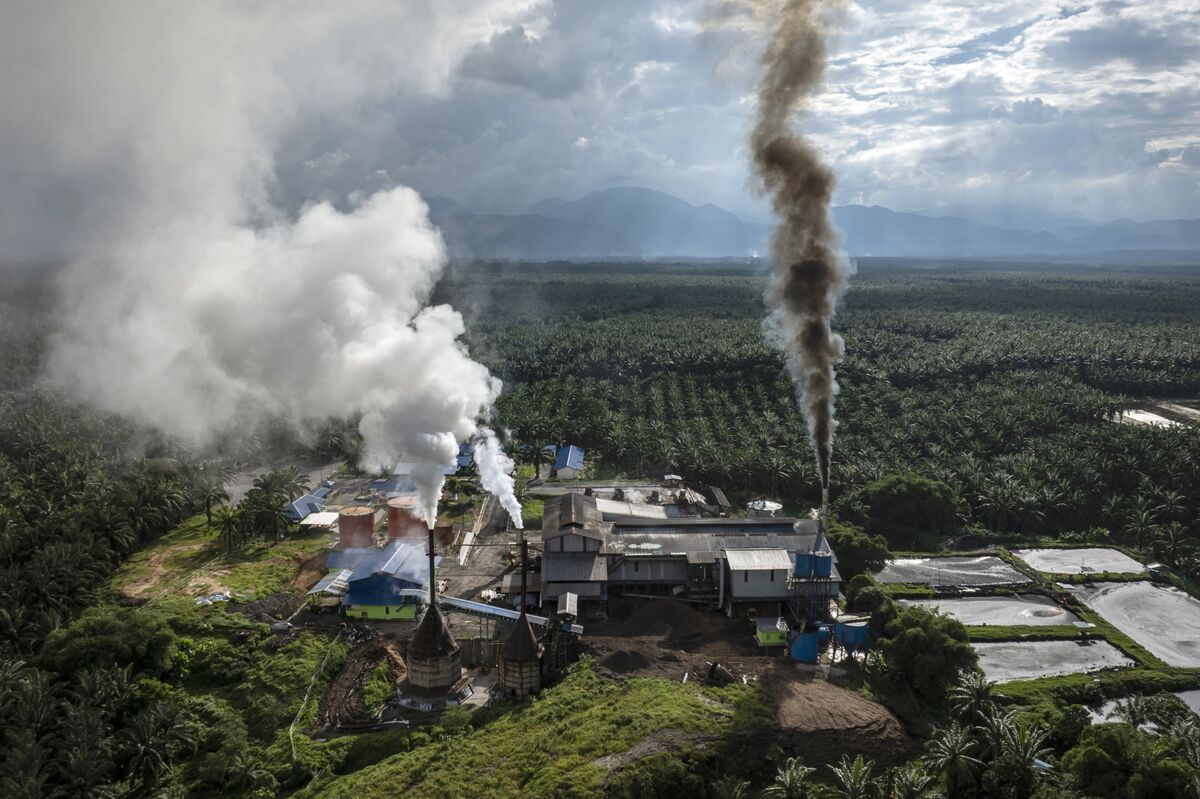
- Indonesia rolls out a palm-diesel biofuel blend described as pioneering.
- The programme diverts some palm oil away from export markets.
- Biofuel producers in Indonesia face increased strain to meet the new blend demand.
- The diversion is expected to tighten global supplies of tropical oil/palm oil.
- The rollout is closely watched for its impact on market availability and conditions.
The rollout of a pioneering palm-diesel blend is set to stretch Indonesian biofuel makers to their limits and tighten global supplies of the tropical oil by diverting it away from export markets.
1 month agoThe rollout of a pioneering palm-diesel blend is set to stretch Indonesian biofuel makers to their limits and tighten global supplies of the tropical oil by diverting it away from export markets.
1 month ago
Dutch institute issues red alert over Trump-shaped potentially lethal ecstasy pills
A Dutch addiction and mental health institute issues a “Red Alert” warning that ecstasy pills shaped like U.S. President...

Milo Yiannopoulos detained by ICE in Louisiana, held in immigration custody
Milo Yiannopoulos, a far-right commentator and UK citizen, is detained by U.S. Immigration and Customs Enforcement (ICE)...

Anti-Semitism royal commission concludes public hearings after 346 submissions
The anti-Semitism royal commission has wrapped up its public hearings after receiving 346 voices, according to reporting...