


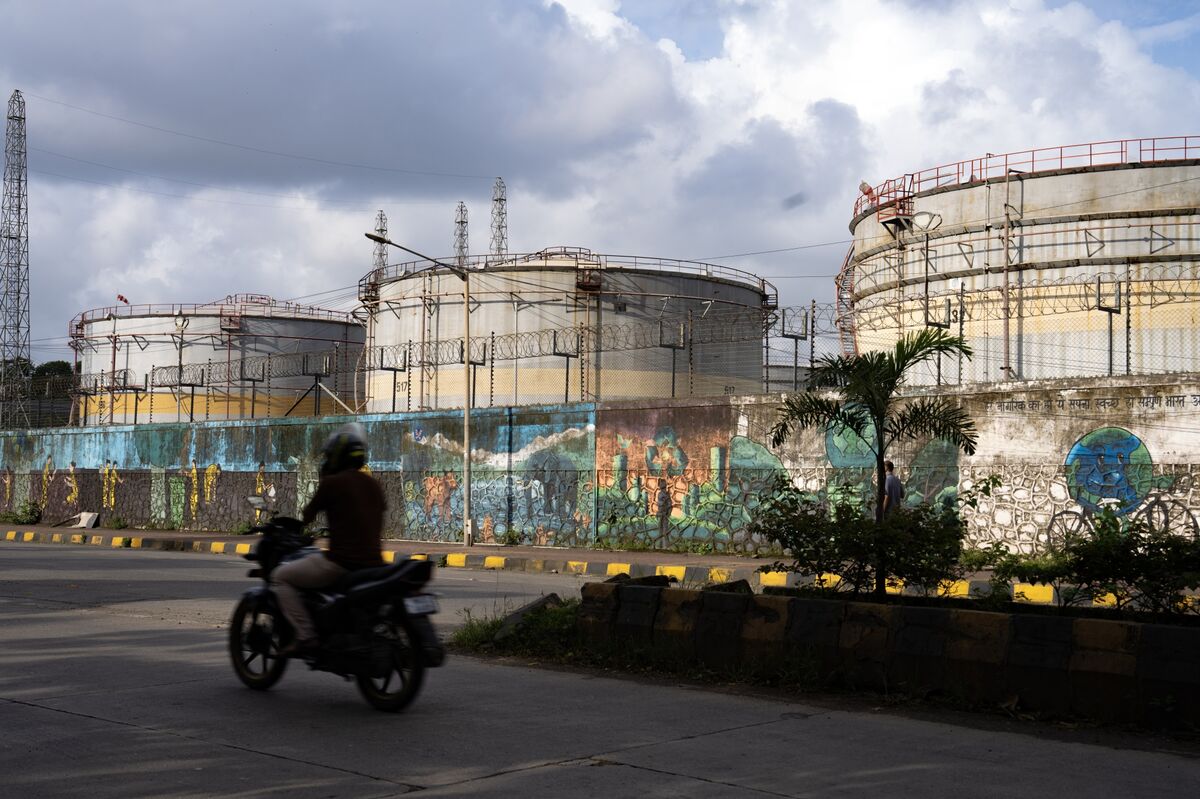
India is moving to strengthen energy security after the Iran–U.S. conflict disrupts regional supply routes, including near-closures and restrictions around the Strait of Hormuz. Multiple reports say India plans to expand strategic inventories of key fuels—crude oil and also LPG and LNG—to better buffer future shocks and limit shortages and price volatility. One proposal focuses on building reserves large enough to cover up to about a month of domestic demand, while other reporting highlights a longer-running expansion of strategic crude storage, including the use of underground caverns on India’s east and west coasts. Current figures cited in one outlet describe strategic crude reserves of roughly 39 million barrels, covering about eight days of imports, with plans to more than double capacity and eventually reach at least 120 million barrels.
For LPG and LNG, several sources describe the challenge as greater than for crude, citing limited or near-absent strategic reserves and higher storage and safety requirements. Reports also indicate India’s oil ministry is studying logistics such as potential storage locations, operating models, and overground versus underground structures, and asking state-run refiners to boost LPG stockpiles for emergencies. Separate coverage also points to domestic oil exploration efforts and discussions with partners on supply resilience, including possible LNG cooperation.


