


As the United States approaches its 250th birthday, multiple commentators highlight renewed scrutiny of Thomas Jefferson’s legacy. Articles note a central contradiction in Jefferson’s public ideals and private practices: he is widely associated with the Declaration of Independence’s language that “all men are created equal,” while also remaining a slaveholder for much of his life and continuing to hold enslaved people until his death. The coverage frames the coming anniversary as a catalyst for reassessing how Jefferson is remembered in American history and public symbolism. Rather than focusing on a single event, the discussion centers on ongoing historical debate about how to interpret the founding era—particularly the relationship between Enlightenment-era claims about liberty and equality, and the reality of slavery within the same political project. The Independent’s account emphasizes the tension between Jefferson’s stated principles and his actions, presenting that disparity as the focus of the “new reckoning” referenced in its headline. Overall, the sources converge on the idea that Jefferson’s role in shaping national identity is prompting renewed public examination.
Thomas Jefferson’s legacy under renewed scrutiny ahead of US 250th birthday
As the United States approaches its 250th birthday, multiple commentators highlight renewed scrutiny of Thomas Jefferson’s legacy. Articles note a central contradiction in Jefferson’s public ideals an...

- Thomas Jefferson is being re-examined as the US approaches its 250th birthday.
- Jefferson is linked to the Declaration of Independence phrase “all men are created equal.”
- He is also described as remaining a slaveholder through the end of his life.
- The coverage centers on tensions between founding ideals of equality and the reality of slavery.
- The anniversary is portrayed as a prompt for renewed historical debate and public scrutiny.
America’s birth is rooted in his most profound contradiction — the man who proclaimed that “all men are created equal” while being a slaveholder to the end of his life
1 month agoAmerica’s birth is rooted in his most profound contradiction — the man who proclaimed that “all men are created equal” while being a slaveholder to the end of his life
1 month agoAmerica’s birth is rooted in his most profound contradiction — the man who proclaimed that “all men are created equal” while being a slaveholder to the end of his life
1 month ago
Trump announces U.S. agreement for majority control of Venezuela’s 65 billion barrels of oil reserves
President Donald Trump says the United States has entered an agreement with Venezuela that would give the U.S. majority...
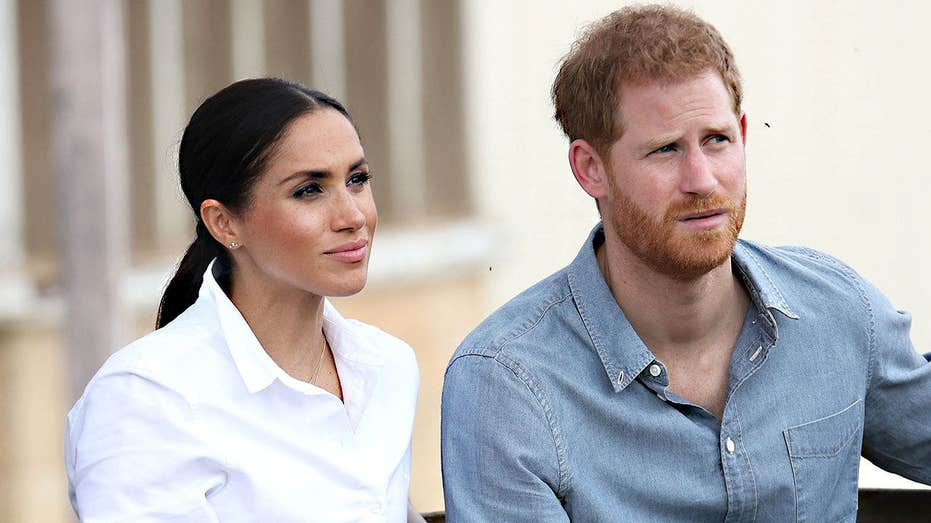
Prince Harry and Meghan plan return to the UK after leaving royal duties
Prince Harry and Meghan, Duchess of Sussex, are planning to relocate back to the United Kingdom after spending about six...

Trump administration memo seeks to restrict internships for international students
The Trump administration issues a memo to universities that aims to restrict the issuance of certain internship-related...