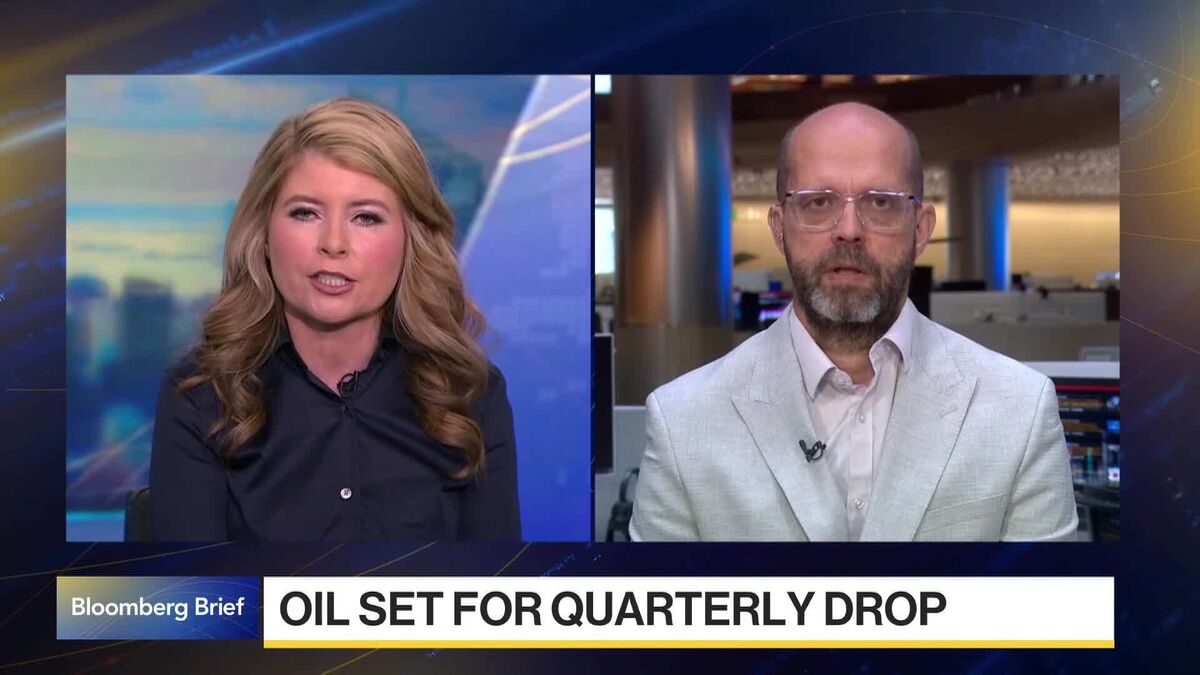
Oil prices are on track for their largest quarterly decline since the start of the COVID-19 pandemic, despite swings during trading. Bloomberg and the Financial Post both report that the downturn is linked to an increase in shipments moving through the Strait of Hormuz. The higher flow is attributed to improving prospects for a durable U.S.-Iran agreement following signs of progress on a peace-related deal between Washington and Tehran.
Morgan Stanley, cited by both outlets, warns that the improved transport outlook and rising supply risk could lead to a glut. The concern is that increased deliveries through one of the world’s key oil chokepoints may add to inventory or soften price support, particularly if expectations of a broader normalization between the U.S. and Iran materialize.
While both sources agree on the direction for the quarter and the role of Hormuz flows and deal optimism, they frame the same risk in slightly different terms: the market is moving toward a steep quarterly fall, and the bank’s assessment highlights the possibility that supply conditions could outweigh demand signals.